Essential Home Maintenance Costs Every Residential Owner Must Budget For
Learn which critical maintenance expenses to anticipate and how to protect your property investment.

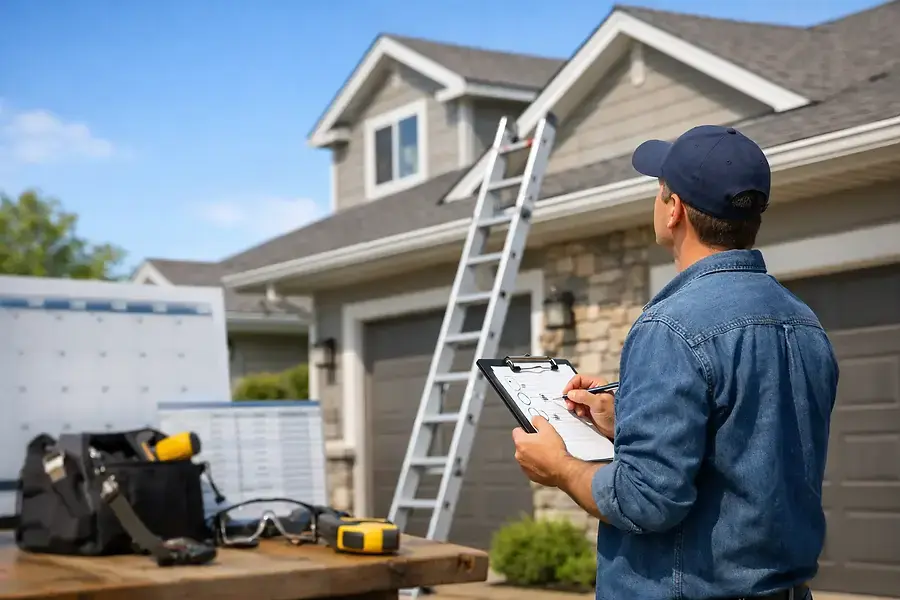
Introduction: Understanding Your Home Maintenance Responsibility
Owning a home is one of the most significant investments you'll make in your lifetime. However, many new homeowners underestimate the ongoing costs associated with maintaining their property. Unlike renting, where a landlord handles repairs and maintenance, homeowners bear full responsibility for keeping their homes in good condition. This responsibility extends beyond simple cosmetic updates—it includes maintaining critical systems that keep your home safe, comfortable, and valuable.
The key to protecting your investment is understanding which maintenance expenses are essential and planning your budget accordingly. By anticipating these costs, you can avoid financial surprises and ensure your home remains in excellent condition for years to come.
Major Systems That Require Regular Investment
Roof and Exterior Protection
Your roof is your home's first line of defense against the elements. Regular inspections and maintenance can extend its lifespan significantly. Budget for roof inspections every 2-3 years, and plan for repairs as needed. Depending on your climate and roof material, you may need to budget $500-$2,000 annually for maintenance. When replacement becomes necessary, costs can range from $5,000-$15,000 or more, making preventative care essential.
Don't forget about gutters, downspouts, and exterior caulking. These components protect your foundation and walls from water damage. Clean gutters at least twice yearly and inspect for damage after severe weather.
HVAC Systems
Your heating, ventilation, and air conditioning system works year-round to keep your home comfortable. Regular maintenance is crucial for efficiency and longevity. Schedule professional HVAC inspections annually and replace filters every 1-3 months depending on usage. Budget $200-$500 annually for routine maintenance, filter replacements, and minor repairs. A complete system replacement can cost $5,000-$10,000, so maintaining your current system is a smart investment.
Plumbing and Water Systems
Water-related issues can cause significant damage if left unaddressed. Budget for:
- Annual plumbing inspections: $100-$200
- Water heater maintenance and eventual replacement: $1,000-$3,000
- Pipe repairs and replacements: $300-$1,500 depending on severity
- Drain cleaning: $100-$300 annually
Address leaks immediately to prevent water damage, mold, and structural issues. Even small drips can waste thousands of gallons of water annually and inflate your utility bills.
Electrical Systems
Electrical issues pose safety risks and should never be ignored. Budget for professional inspections every 5-10 years, especially in older homes. Typical maintenance costs include outlet and switch replacements ($50-$150 each) and panel upgrades ($1,500-$3,000). Never attempt electrical repairs yourself—always hire a licensed electrician.
Foundation and Structural Integrity
Your foundation is literally the base of your home. Watch for signs of settling, cracks, or moisture issues. Budget for foundation inspections ($300-$500) and address any concerns promptly. Foundation repairs can be expensive, ranging from $2,000-$10,000 or more, making early detection critical.
Appliances and Systems
Major appliances have limited lifespans. Budget for replacement of:
- Refrigerator: $800-$2,000
- Washing machine and dryer: $600-$1,500 each
- Dishwasher: $400-$1,200
- Oven and stovetop: $500-$1,500
Regular maintenance extends appliance life and improves efficiency. Clean refrigerator coils, descale dishwashers, and have washers serviced annually.
Creating an Effective Maintenance Budget and Timeline
The 1% Rule
A common guideline is to budget 1% of your home's purchase price annually for maintenance. For a $300,000 home, this means setting aside $3,000 per year. This covers routine maintenance, minor repairs, and builds a reserve for larger expenses.
Develop a Maintenance Calendar
Create a seasonal maintenance schedule to stay organized:
- Spring: Inspect roof and gutters, service air conditioning, check exterior caulking
- Summer: Pressure wash exterior, inspect foundation, check plumbing
- Fall: Clean gutters, inspect heating system, check weatherstripping
- Winter: Monitor pipes for freezing, check insulation, inspect interior for leaks
Keep Detailed Records
Document all maintenance and repairs, including dates, costs, and contractor information. This record helps you track patterns, plan future expenses, and provides valuable information if you sell your home. Maintain receipts and warranties for all major work completed.
Build an Emergency Fund
Despite your best efforts, unexpected repairs happen. Maintain a separate emergency fund equal to 3-6 months of your anticipated maintenance budget. This cushion prevents financial stress when urgent repairs arise.
Prioritize Preventative Maintenance
Investing in preventative maintenance now saves money on costly repairs later. Regular inspections, cleaning, and servicing extend system lifespans and catch problems early. A $200 HVAC inspection might prevent a $5,000 system failure.
Conclusion: Staying Ahead of Costly Repairs
Home maintenance isn't optional—it's essential to protecting your investment and ensuring your family's safety and comfort. By understanding which systems require regular attention, budgeting appropriately, and staying proactive with maintenance, you can avoid costly emergency repairs and keep your home in excellent condition.
Start by assessing your home's current condition, creating a maintenance calendar, and setting aside funds for anticipated expenses. Remember that preventative maintenance is always cheaper than emergency repairs. With proper planning and attention, your home will remain a valuable asset and a comfortable place to live for decades to come.
Take action today: Schedule a professional home inspection, create your maintenance calendar, and establish your annual maintenance budget. Your future self will thank you.


