Essential Home Maintenance Guide for Wisconsin's Harsh Climate
Protect your Wausau and Mosinee home investment with seasonal care strategies that prevent costly damage.

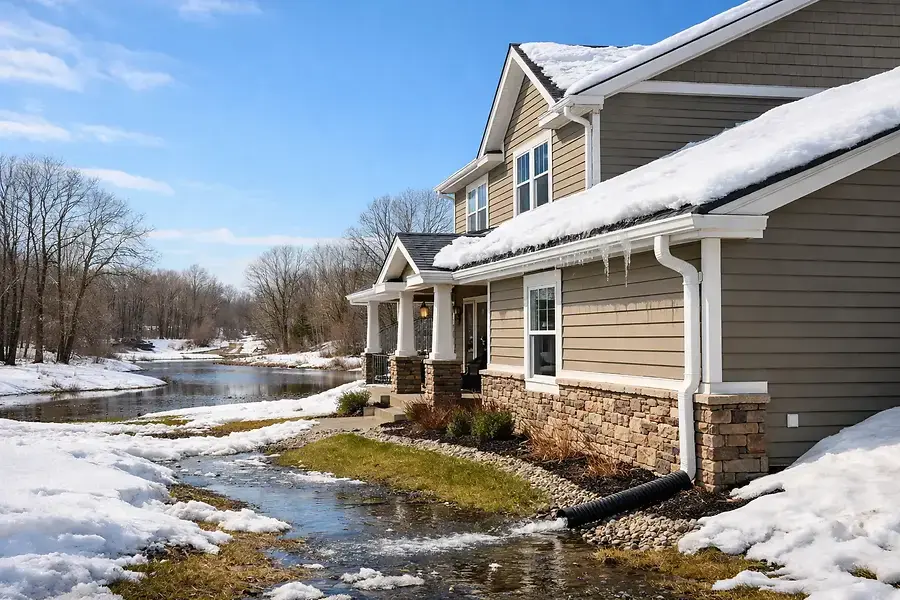
Introduction: Why Wisconsin Weather Demands Proactive Home Care
Wisconsin's climate is unforgiving. With temperatures plummeting well below zero, heavy snowfall, and dramatic seasonal shifts, your home faces constant stress from the elements. Whether you own a property in Wausau, Mosinee, or elsewhere in the state, proactive maintenance isn't just recommended—it's essential for protecting your investment.
The cost of ignoring seasonal maintenance can be staggering. Frozen pipes can burst and cause thousands of dollars in water damage. Inadequate insulation forces your heating system to work overtime, driving up energy bills. Neglected foundations can crack and settle, leading to structural problems that are expensive to repair. By implementing a strategic maintenance plan, you can prevent these costly issues and extend your home's lifespan significantly.
This guide provides practical, actionable strategies for homeowners in Wisconsin's challenging climate. From winter preparation to spring inspections, you'll learn how to keep your home safe, comfortable, and valuable.
Winter Preparation: Insulation, Heating, and Pipe Protection
Insulation and Energy Efficiency
Winter is Wisconsin's most demanding season. Before temperatures drop, ensure your home is properly insulated. Check your attic insulation—it should be at least 12-14 inches thick in Wisconsin. Proper attic insulation prevents heat loss and reduces the strain on your heating system.
Key insulation priorities:
- Inspect attic insulation for gaps, settling, or moisture damage
- Seal air leaks around windows, doors, and electrical outlets
- Check basement walls and rim joists for adequate insulation
- Consider blown-in wall insulation for older homes
Heating System Maintenance
Your furnace is your home's lifeline during Wisconsin winters. Schedule a professional inspection and cleaning before the heating season begins. A well-maintained furnace operates more efficiently, uses less fuel, and is less likely to fail when you need it most.
Essential heating system checks:
- Replace or clean furnace filters monthly during winter
- Have a professional inspect and service your furnace annually
- Test your thermostat to ensure accurate temperature control
- Check that all vents and returns are unobstructed
Pipe Protection and Winterization
Frozen pipes are a homeowner's nightmare. When water freezes inside pipes, it expands and can cause them to burst, leading to catastrophic water damage. Protect your plumbing system with these preventive measures:
- Insulate exposed pipes in basements, crawl spaces, and attics with foam pipe insulation
- Drain and shut off exterior water lines before the first freeze
- Keep cabinet doors under sinks open to allow warm air circulation
- Let faucets drip slightly during extreme cold snaps to keep water moving
- Seal cracks and gaps in foundation walls where pipes enter
Pro tip: Know where your main water shut-off valve is located. In case of a pipe burst, you'll need to turn off the water immediately to minimize damage.
Roof and Gutter Preparation
Heavy snow and ice loads put tremendous stress on your roof. Before winter arrives, inspect your roof for damaged or missing shingles. Clean gutters thoroughly to prevent ice dams, which occur when melting snow refreezes at the roof edge, backing water up under shingles.
- Remove leaves and debris from gutters and downspouts
- Ensure gutters slope properly toward downspouts
- Consider installing gutter guards to reduce maintenance
- Inspect flashing around chimneys and vents for gaps
Spring and Summer Maintenance: Foundation and Exterior Checks
Foundation Inspection and Drainage
Spring brings snowmelt and heavy rains that can overwhelm your home's drainage system. Inspect your foundation for new cracks or signs of water intrusion. Even small cracks can allow water to seep into basements and crawl spaces, promoting mold growth and structural damage.
Foundation maintenance checklist:
- Walk around your home's perimeter and look for new cracks
- Ensure soil slopes away from the foundation on all sides
- Check that downspouts extend at least 4-6 feet from the foundation
- Clear debris from foundation vents and window wells
- Consider installing or repairing sump pumps if you have a wet basement
Exterior Siding and Trim
Wisconsin's freeze-thaw cycles are brutal on exterior materials. Inspect siding, trim, and caulking for damage caused by winter weather. Replace damaged caulk around windows and doors to prevent water infiltration and energy loss.
- Check wood siding for rot, peeling paint, or insect damage
- Inspect vinyl siding for cracks or warping
- Recaulk gaps around windows, doors, and trim
- Paint or stain wood surfaces to protect against moisture
Deck and Patio Maintenance
Decks and patios take a beating from Wisconsin winters. Spring is the ideal time to assess damage and plan repairs. Check for rotted wood, loose fasteners, and structural issues before the summer season when you'll want to enjoy outdoor spaces.
- Inspect deck boards for rot and replace as needed
- Check railings and stairs for safety and stability
- Tighten loose fasteners and bolts
- Clean and seal wood surfaces to prevent future damage
HVAC System Summer Check
While your furnace gets a break, your air conditioning system needs attention. Have your AC unit serviced before summer heat arrives. A well-maintained system runs efficiently and keeps your home comfortable during warm months.
- Have an HVAC professional inspect and service your AC unit
- Replace air filters before summer cooling season
- Clean condenser coils and ensure proper airflow
- Check refrigerant levels and system performance
Conclusion: Year-Round Protection Increases Your Home's Value and Longevity
Wisconsin's harsh climate demands year-round vigilance. By implementing these seasonal maintenance strategies, you're not just preventing costly repairs—you're investing in your home's future. A well-maintained home is more comfortable, more energy-efficient, and more valuable.
Remember these key principles:
- Plan maintenance seasonally, addressing each season's unique challenges
- Don't wait for problems to develop—prevention is always cheaper than repair
- Keep detailed records of all maintenance and repairs
- Hire qualified professionals for complex tasks like HVAC service and roof work
- Stay proactive and address small issues before they become major problems
Your home is likely your largest investment. Protecting it with consistent, seasonal maintenance ensures it will provide comfort and security for years to come. Whether you're in Wausau, Mosinee, or anywhere in Wisconsin, these strategies will help you weather the state's challenging climate and maintain a home you can be proud of.


