Essential Home Maintenance: Protecting Your Investment Year-Round
Learn the critical maintenance tasks that preserve your home's value and prevent costly repairs.

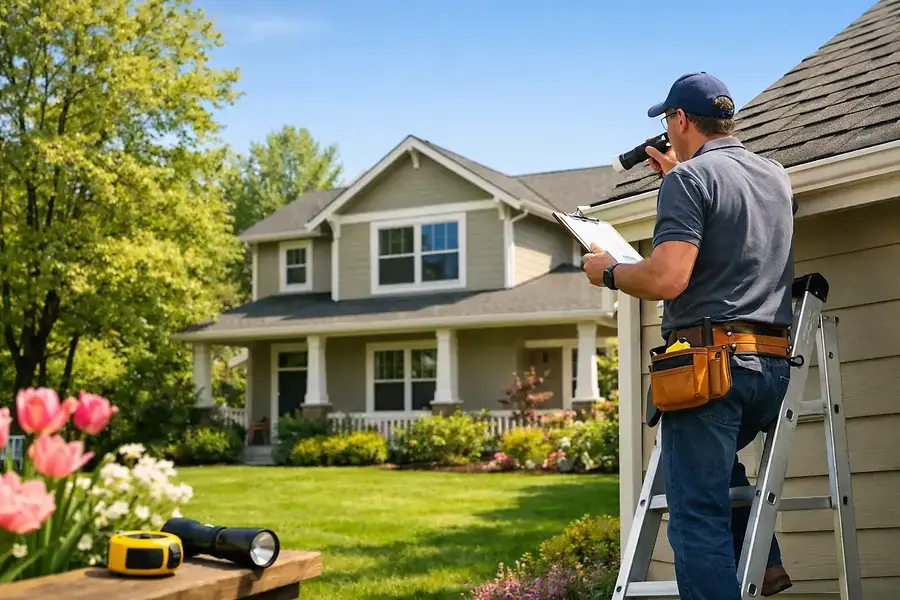
Why Home Maintenance Matters for Property Value
Your home is likely the largest investment you'll ever make. Yet many homeowners overlook the importance of regular maintenance, only to face expensive repairs down the road. Proactive home maintenance is the key to preserving your property's value and avoiding costly emergencies.
When you maintain your home consistently, you're not just fixing problems as they arise—you're preventing them from happening in the first place. A well-maintained home commands higher resale value, attracts better buyers, and provides a safer, more comfortable living environment for your family. Think of maintenance as an investment that pays dividends over time.
Neglecting maintenance can lead to cascading problems. A small roof leak becomes structural damage. Clogged gutters lead to foundation issues. Deferred maintenance compounds, turning minor fixes into major expenses that could cost thousands of dollars.
Seasonal Maintenance Checklist: What to Do When
Spring Maintenance
Spring is the perfect time to address winter damage and prepare your home for warmer months:
- Inspect your roof for missing or damaged shingles
- Clean gutters and downspouts thoroughly
- Check for foundation cracks and water damage in the basement
- Test your air conditioning system before the heat arrives
- Inspect and repair exterior caulking around windows and doors
- Power wash siding and decks to remove winter grime
Summer Maintenance
Summer is ideal for outdoor projects and preventive measures:
- Trim tree branches away from your roof and siding
- Inspect and repair deck railings and stairs
- Check exterior paint for peeling or damage
- Service your HVAC system and replace air filters
- Inspect grading around your foundation to ensure proper water drainage
- Check for pest infestations and seal entry points
Fall Maintenance
Prepare your home for winter weather with these essential tasks:
- Clean gutters and downspouts of leaves and debris
- Inspect and repair weatherstripping on doors and windows
- Have your heating system inspected and serviced
- Drain and store outdoor hoses and irrigation systems
- Seal cracks in driveway and walkways
- Trim back vegetation away from your home's exterior
Winter Maintenance
Winter requires vigilance to prevent cold-weather damage:
- Monitor your heating system regularly
- Keep gutters clear of ice and snow buildup
- Inspect attic ventilation to prevent ice dams
- Check basement and crawl spaces for moisture and leaks
- Ensure proper insulation in attics and walls
- Test sump pumps and drainage systems
Common Costly Repairs and How to Prevent Them
Roof Damage
Cost of repair: $5,000-$15,000+
Your roof is your home's first line of defense against the elements. Regular inspections can catch small problems before they become major issues.
Replace damaged shingles promptly, keep gutters clean to prevent water backup, and ensure proper attic ventilation to prevent ice dams.
Foundation Problems
Cost of repair: $10,000-$50,000+
Foundation issues are among the most expensive repairs homeowners face. Prevent problems by maintaining proper grading around your home, ensuring water drains away from the foundation, and addressing cracks early. Install and maintain gutters and downspouts to direct water away from your home's base.
Plumbing Issues
Cost of repair: $3,000-$25,000+
Water damage from burst pipes or leaks can be catastrophic. Prevent plumbing disasters by insulating pipes in cold areas, maintaining water pressure at appropriate levels, and having your plumbing system inspected regularly. Address slow drains immediately rather than waiting for complete blockages.
HVAC System Failure
Cost of repair: $5,000-$15,000+
A failed heating or cooling system can be extremely expensive to replace. Regular maintenance—including filter changes, professional inspections, and timely repairs—can extend your system's lifespan significantly and prevent emergency breakdowns during extreme weather.
Water Damage and Mold
Cost of repair: $2,000-$30,000+
Water intrusion leads to mold growth, structural damage, and health hazards. Prevent water damage by maintaining gutters, ensuring proper grading, sealing cracks in foundations and walls, and addressing leaks immediately. Install and maintain sump pumps in basements and crawl spaces.
Creating a Sustainable Maintenance Plan
Develop a Home Maintenance Schedule
Create a comprehensive maintenance calendar that outlines tasks by season and frequency. Document everything you do to your home, including dates, costs, and contractor information. This record becomes invaluable when selling your home and helps you track patterns in repairs.
Budget for Maintenance
Financial experts recommend setting aside 1-2% of your home's value annually for maintenance and repairs. For a $300,000 home, this means budgeting $3,000-$6,000 per year. This proactive approach prevents financial surprises and ensures you can address problems promptly.
Know When to Call Professionals
While some maintenance tasks are DIY-friendly, others require professional expertise. Electrical work, plumbing, roofing, and HVAC service should typically be handled by licensed professionals. Attempting complex repairs yourself can create safety hazards and void warranties.
Stay Informed and Proactive
Learn about your home's systems and components. Understand how your HVAC system works, where your main water shut-off is located, and what your roof's expected lifespan is. This knowledge helps you make informed decisions about maintenance and repairs.
Conclusion: Protecting Your Home Investment
Home maintenance isn't glamorous, but it's essential. By investing time and resources in regular maintenance, you're protecting your property's value, ensuring your family's safety, and avoiding expensive emergency repairs.
Start with a comprehensive inspection of your home to identify any existing issues. Then, develop a seasonal maintenance schedule and stick to it. Remember that preventive maintenance is always cheaper than reactive repairs.
Your home is a long-term investment that deserves consistent care and attention.
With a sustainable maintenance plan in place, you can enjoy your home with confidence, knowing you're taking the steps necessary to preserve its value for years to come.


