Essential Home Maintenance Tips for Alaska's Arctic Climates
Protect your investment with year-round maintenance strategies designed for Fairbanks and North Pole's extreme weather conditions.

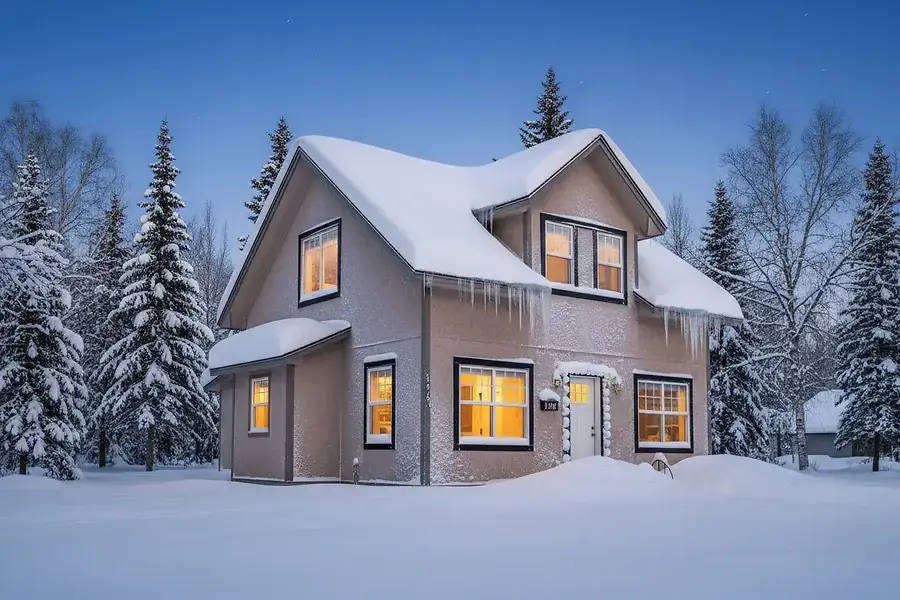
Why Alaska Homeowners Need Specialized Maintenance
Owning a home in Alaska's arctic regions presents unique challenges that differ dramatically from most of the continental United States. The extreme cold, permafrost conditions, and intense seasonal variations demand a specialized approach to home maintenance. Unlike southern climates where homeowners worry about heat damage and humidity, Alaska homeowners must contend with temperatures that plummet to -40°F or lower, creating stresses on building materials that simply don't exist elsewhere.
Your home is likely your most significant investment, and in Alaska's harsh environment, proper maintenance isn't just about comfort—it's about survival and long-term value preservation. Neglecting arctic-specific maintenance can lead to catastrophic damage including frozen pipes, foundation shifts, roof collapse from snow load, and deteriorating insulation. This guide provides practical, actionable strategies to protect your property year-round.
Winterization and Cold Weather Home Protection Strategies
Preparing Your Home Before Winter Arrives
The key to surviving Alaska's brutal winters begins with thorough preparation. Start by inspecting your roof for any damage or weak spots that could allow snow infiltration. Clear gutters completely and ensure downspouts direct water away from your foundation. In arctic climates, ice dams can form quickly, so proper drainage is critical.
Check all weatherstripping around doors and windows, replacing any that show signs of cracking or deterioration. Seal air leaks around electrical outlets, pipe penetrations, and foundation cracks using appropriate caulking materials rated for extreme cold. These small gaps can account for significant heat loss and energy waste.
Pipe Protection and Water System Management
Frozen pipes represent one of the most common and costly problems for Alaska homeowners. Implement these essential strategies:
- Insulate all exposed pipes with foam pipe insulation, paying special attention to pipes in unheated areas like basements, crawl spaces, and exterior walls
- Allow faucets to drip slightly during extreme cold snaps to maintain water flow and prevent freezing
- Open cabinet doors under sinks to allow warm air circulation around pipes
- Install heat tape on vulnerable pipes as an additional safeguard
- Know your water shut-off location in case of emergency pipe bursts
Consider upgrading to a whole-house water heating system if you haven't already, as these provide more consistent protection than individual pipe insulation.
Heating System Maintenance
Your heating system is your lifeline during arctic winters. Schedule professional maintenance before winter arrives, including filter changes, inspection of all components, and testing of backup systems. Keep extra furnace filters on hand and check them monthly during winter months. A clogged filter reduces efficiency and can lead to system failure when you need it most.
If you have a wood stove or fireplace, have your chimney professionally cleaned and inspected annually. Creosote buildup poses serious fire hazards, and proper ventilation is essential for safety and efficiency.
Roof and Attic Considerations
Heavy snow loads are inevitable in Alaska. Ensure your roof structure is sound and capable of handling the weight. Proper attic ventilation is crucial—it prevents ice dams by maintaining consistent roof temperature. Verify that your attic has adequate insulation (R-60 or higher is recommended) and that ventilation pathways aren't blocked.
Consider installing roof heating cables in areas prone to ice dam formation, particularly along eaves and in valleys where water tends to pool.
Spring and Summer Maintenance for Arctic Properties
Foundation and Permafrost Monitoring
As temperatures rise, permafrost thaw can cause foundation settling and structural shifts. Inspect your foundation regularly for new cracks or signs of movement. Monitor door and window alignment—if they're suddenly difficult to open or close, this may indicate foundation settling.
Ensure proper drainage around your foundation to prevent water accumulation during snowmelt. Grading should slope away from your home, and gutters should direct water at least 5-10 feet away from the foundation.
Exterior Inspection and Repairs
Winter's harsh conditions take their toll on exterior surfaces. Conduct a thorough inspection of:
- Siding for cracks, gaps, or separation
- Caulking around windows and doors for deterioration
- Paint and stain for peeling or fading
- Deck and porch structures for rot or damage
- Gravel or grading for erosion
Address any damage promptly to prevent water infiltration and further deterioration during the next winter season.
HVAC System Servicing
Now that heating season is over, schedule air conditioning system maintenance if applicable. Clean or replace filters, inspect refrigerant levels, and ensure all components are functioning properly. This is also an excellent time to plan any major HVAC upgrades before the next winter arrives.
Insulation Assessment
Summer provides an opportunity to assess your home's insulation effectiveness. If you experienced unusual cold spots or high heating bills, consider adding additional insulation to walls, attics, or crawl spaces. Proper insulation is one of the most cost-effective investments for arctic homeowners, reducing heating costs and improving comfort.
Building Long-Term Value in Your Alaska Home
Consistent, proactive maintenance is the foundation of long-term property value in Alaska's arctic regions. By addressing winterization needs before cold arrives, managing water systems carefully, and conducting thorough seasonal inspections, you protect your investment and ensure your home remains safe and comfortable.
Create a maintenance calendar that tracks seasonal tasks, professional inspections, and repairs. Keep detailed records of all work performed—this documentation increases your home's value and helps future owners understand the care you've invested.
Remember that Alaska homeownership requires dedication and vigilance, but the reward is a secure, valuable property that withstands the region's most extreme conditions. By following these specialized maintenance strategies, you're not just protecting a building—you're safeguarding your family's comfort and your financial investment for years to come.