Essential Home Maintenance Tips for Gillette, Wyoming Homeowners
Protect your investment with seasonal care strategies designed for Wyoming's unique climate challenges.

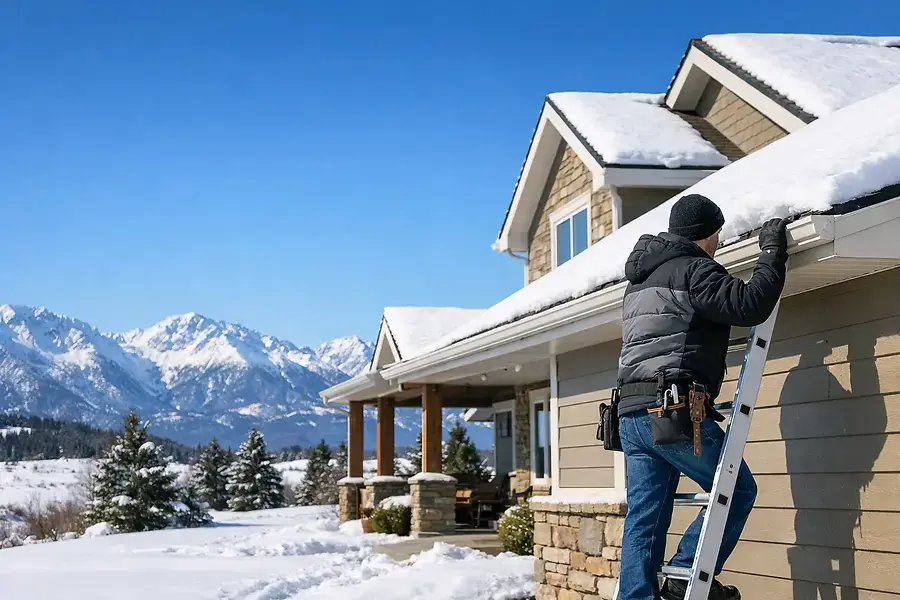
Understanding Gillette's Climate and Its Impact on Your Home
Gillette, Wyoming presents unique environmental challenges that directly affect your home's structural integrity and longevity. Located in the Powder River Basin, this region experiences extreme temperature fluctuations, significant snowfall, and powerful wind patterns that can wreak havoc on unprepared properties.
The climate here is characterized by cold, dry winters with temperatures dropping well below freezing and mild summers with occasional hail storms. These conditions create a cycle of expansion and contraction in building materials, leading to foundation stress, roof damage, and exterior deterioration. Understanding these patterns is the first step toward effective home maintenance.
Why Wyoming's Weather Demands Proactive Care
Unlike milder climates, Gillette homeowners cannot afford to neglect seasonal maintenance. The freeze-thaw cycle is particularly damaging—water seeps into cracks, freezes, expands, and causes further damage. Wind erosion accelerates wear on siding and roofing materials, while heavy snow loads test the structural capacity of your roof.
Essential Seasonal Maintenance Checklist for Wyoming Properties
Spring Maintenance (March-May)
- Inspect your roof for winter damage, missing shingles, and ice dam damage
- Clean gutters and downspouts to ensure proper water drainage
- Check foundation and exterior walls for new cracks or gaps
- Test HVAC systems and replace air filters
- Inspect windows and doors for weather stripping deterioration
- Power wash exterior surfaces to remove winter grime and mold
Summer Maintenance (June-August)
- Seal any cracks in the foundation and exterior walls
- Inspect and repair exterior paint and stain
- Check deck and patio structures for rot or damage
- Service air conditioning units and ensure proper operation
- Trim tree branches away from the roof and siding
- Inspect basement or crawl space for moisture issues
Fall Maintenance (September-November)
- Clean gutters thoroughly before winter arrives
- Inspect and repair roof before heavy snow season
- Weatherproof windows and doors with new caulking
- Drain and store outdoor equipment and hoses
- Have your heating system professionally inspected
- Trim dead branches and remove leaves from roof
Winter Maintenance (December-February)
- Monitor roof for excessive snow accumulation
- Keep gutters clear of ice dams
- Check basement for water intrusion after heavy snow
- Maintain proper attic ventilation to prevent ice dams
- Inspect exterior for new cracks or damage from freeze-thaw cycles
Common Issues Gillette Homeowners Face and Prevention Strategies
Ice Dam Formation and Water Damage
Ice dams are a serious concern in Gillette winters. They form when warm air from your attic melts snow on the roof, which then refreezes at the eaves. This trapped water can leak into your home, causing ceiling damage, insulation deterioration, and mold growth.
Prevention strategy: Ensure proper attic insulation and ventilation. Seal air leaks that allow warm air to escape into the attic. Consider installing heat cables along vulnerable roof edges as a temporary solution.
Foundation Cracks and Settling
Wyoming's freeze-thaw cycles and dry climate create ideal conditions for foundation problems. Soil expansion and contraction can cause cracks that worsen over time.
Prevention strategy: Monitor foundation cracks regularly and seal small cracks immediately. Maintain consistent soil moisture around your foundation by watering during dry periods. Install proper drainage systems to direct water away from the foundation.
Wind Damage to Roofing and Siding
Gillette's notorious winds can lift shingles, damage siding, and compromise weatherproofing. This damage often goes unnoticed until water infiltration occurs.
Prevention strategy: Use wind-resistant roofing materials and ensure proper installation. Inspect your roof quarterly for lifted or missing shingles. Reinforce siding connections and consider impact-resistant materials in high-wind areas.
Dry Air and Interior Damage
Wyoming's extremely dry climate can cause wood shrinkage, paint cracking, and increased static electricity. Interior humidity levels often drop dangerously low during winter.
Prevention strategy: Use humidifiers to maintain indoor humidity between 30-50%. This protects wood flooring, cabinetry, and reduces static electricity issues. Seal interior cracks in drywall promptly.
When to Call a Professional: Maintenance vs. DIY Projects
DIY-Friendly Projects
Many homeowners can handle basic maintenance tasks:
- Gutter cleaning and minor repairs
- Caulking and weatherstripping
- Painting and staining exterior surfaces
- HVAC filter replacement
- Landscaping and tree trimming
- Minor drywall repairs
When Professional Help is Essential
Certain projects require licensed professionals to ensure safety and warranty compliance:
- Roof repairs or replacement – Falls are dangerous, and improper installation voids warranties
- Foundation repairs – Structural issues demand expert assessment
- HVAC system service – Requires certification and specialized equipment
- Electrical work – Safety hazards and code compliance issues
- Plumbing repairs – Improper work leads to costly water damage
- Mold remediation – Health risks and specialized treatment needed
- Asbestos removal – Hazardous material requiring certified professionals
Building Your Professional Network
Before emergencies occur, establish relationships with reliable contractors in Gillette. Get multiple quotes, verify licenses and insurance, and ask for references. Having trusted professionals on speed dial saves time and money when urgent repairs are needed.
Regular maintenance is significantly cheaper than emergency repairs. A small investment in preventive care protects your home's value and your family's safety.
Conclusion
Protecting your Gillette home requires understanding the unique demands of Wyoming's climate and committing to consistent seasonal maintenance. By following these guidelines, addressing issues promptly, and knowing when to call professionals, you'll extend your home's lifespan and maintain its value for years to come. Your home is likely your largest investment—treat it accordingly with the care and attention it deserves.


