Essential Home Staging Strategies That Increase Your Sale Price
Learn proven staging techniques that help residential properties sell faster and attract serious buyers willing to pay premium prices.

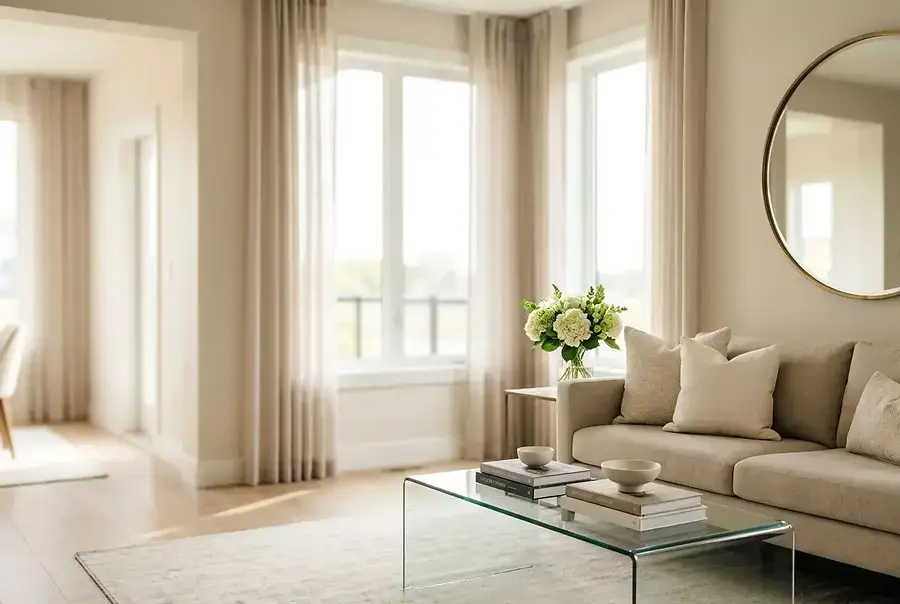
Why Home Staging Matters in Today's Residential Market
In today's competitive real estate market, first impressions are everything. Home staging has become an essential strategy for sellers looking to maximize their property's value and attract serious buyers. When done correctly, staging can increase your home's perceived value, reduce time on the market, and ultimately lead to higher offers.
The statistics speak for themselves: homes that are properly staged sell faster and often command higher prices than unstaged properties. Buyers today are more discerning than ever, and they're willing to pay a premium for homes that are move-in ready and aesthetically appealing. By investing in strategic staging, you're not just preparing your home for sale—you're investing in your financial future.
The psychology behind staging is simple: when potential buyers walk into a well-staged home, they can envision themselves living there. They see the potential, feel the comfort, and imagine their future in the space. This emotional connection is what transforms a casual browser into a serious buyer ready to make an offer.
Decluttering and Depersonalization: Creating Neutral Appeal
The Power of Decluttering
The first step in any successful staging strategy is decluttering. A cluttered home feels smaller, chaotic, and uninviting. Buyers need to see the actual size and potential of your spaces, not your personal belongings.
- Remove 30-50% of your belongings from each room to create a sense of spaciousness
- Clear kitchen countertops completely, keeping only essential appliances
- Minimize bedroom furniture to make rooms appear larger and more peaceful
- Organize closets and remove items that don't belong
- Eliminate paper clutter from desks, tables, and shelves
Depersonalization: Making Your Home Everyone's Home
While your family photos and personal mementos are meaningful to you, they can actually distract potential buyers from envisioning themselves in the space. Depersonalization doesn't mean making your home feel cold—it means creating a neutral canvas that appeals to the widest possible audience.
Key depersonalization strategies include:
- Removing family photos and personal artwork from walls
- Storing away collections and hobby-related items
- Choosing neutral wall colors and artwork that complements the space
- Removing religious or political items that might not resonate with all buyers
- Minimizing pet-related items and odors
The goal is to create a blank slate where buyers can project their own lifestyle and dreams onto your home.
Lighting, Color, and Layout Optimization for Maximum Impact
Mastering Lighting for Emotional Impact
Lighting is one of the most powerful tools in home staging. Poor lighting can make even beautiful spaces feel gloomy and uninviting, while strategic lighting can transform a room entirely.
- Maximize natural light by opening curtains and cleaning windows thoroughly
- Add layered lighting with overhead fixtures, table lamps, and accent lighting
- Replace outdated light fixtures with modern, attractive alternatives
- Use warm-toned bulbs (2700K-3000K) to create a welcoming atmosphere
- Highlight architectural features with strategic accent lighting
Color Psychology and Paint Selection
The colors you choose for your walls have a profound impact on how buyers perceive your home. While bold, personalized colors might reflect your style, neutral tones are proven to help homes sell faster and for higher prices.
Recommended neutral colors include:
- Soft whites and creams for a clean, fresh appearance
- Warm grays and beiges for sophistication and versatility
- Pale blues and greens for calming, spa-like atmospheres
- Warm taupe for depth without overwhelming the space
If your walls are currently painted in bold or dark colors, a fresh coat of neutral paint is one of the best investments you can make before listing your home.
Optimizing Layout and Flow
How your furniture is arranged significantly impacts how buyers perceive your home's functionality and size. Strategic furniture placement creates natural traffic flow and highlights the best features of each room.
- Arrange furniture to define spaces and create clear pathways through rooms
- Float furniture away from walls to make rooms feel larger and more inviting
- Highlight focal points such as fireplaces, windows, or architectural details
- Ensure clear sightlines so buyers can easily visualize the entire space
- Create conversation areas that feel warm and welcoming
"The best-staged homes don't look staged at all—they look like the ideal version of how people want to live."
Adding Finishing Touches
Once the major elements are in place, finishing touches elevate your home from simply clean to genuinely inviting:
- Fresh flowers or greenery in key areas
- Tasteful throw pillows and blankets on seating
- Mirrors to reflect light and create a sense of spaciousness
- Subtle scents like fresh coffee or vanilla
- Neatly organized bookshelves with decorative objects
Transforming Your Home's First Impression Into Sales Success
Home staging is not about deception—it's about presentation. You're showing your home in its absolute best light, allowing buyers to see the true potential and value of your property. When you combine decluttering, depersonalization, and strategic optimization of lighting, color, and layout, you create an environment that resonates emotionally with buyers.
The investment you make in staging typically returns multiples of what you spend. Homes that are properly staged not only sell faster but often command 5-10% higher prices than their unstaged counterparts. In today's market, staging isn't optional—it's essential.
Start your staging journey today by walking through your home with fresh eyes. Imagine you're a potential buyer seeing it for the first time. What catches your attention? What feels cluttered? What could be improved? By addressing these questions systematically, you'll transform your home into an irresistible property that attracts serious buyers ready to pay premium prices.
Remember, successful home staging is about creating an emotional connection between buyers and your property. When buyers can envision themselves living in your home, they're not just buying a house—they're buying a dream. And dreams command premium prices.


