Essential Home Staging Strategies to Sell Your Residential Property Faster
Learn proven staging techniques that help buyers envision themselves in your space and increase your home's market appeal.

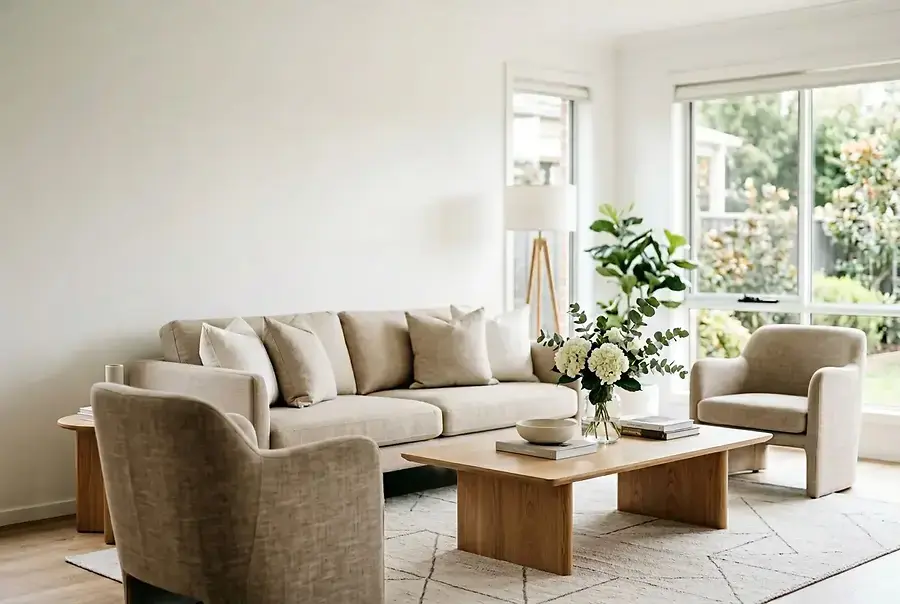
Introduction: Why Home Staging Matters in Today's Competitive Residential Market
In today's competitive real estate market, first impressions are everything. Home staging is the strategic process of preparing your property to appeal to the widest range of potential buyers. When done correctly, staging can significantly reduce the time your home spends on the market and increase its selling price.
Buyers often struggle to envision themselves in an unfamiliar space, especially when the current décor doesn't match their personal style. By staging your home, you're essentially creating a blank canvas that allows potential buyers to imagine their own lives unfolding within those walls. Studies show that staged homes sell faster and for higher prices compared to unstaged properties.
Whether you're selling a cozy apartment or a sprawling suburban home, the principles of effective staging remain consistent. Let's explore the essential strategies that will transform your property into an irresistible investment.
Essential Staging Techniques: Decluttering, Lighting, and Furniture Arrangement
The Power of Decluttering
The first step in any successful staging project is decluttering. A cluttered home feels smaller, dated, and overwhelming to potential buyers. Begin by removing personal items such as family photos, collections, and memorabilia that might distract visitors from envisioning their own lives in the space.
Follow these decluttering steps:
- Remove 30-50% of your belongings from each room
- Organize closets and storage spaces to appear spacious
- Eliminate unnecessary furniture that makes rooms feel cramped
- Clear kitchen countertops of appliances and gadgets
- Donate or store items that don't serve a purpose
A clean, minimalist approach creates an atmosphere of calm and sophistication that appeals to modern buyers.
Mastering Lighting
Lighting is crucial to creating an inviting atmosphere. Natural light is always preferable, so open all curtains and blinds during showings. However, strategic artificial lighting can enhance the ambiance significantly.
Key lighting strategies include:
- Replace dim bulbs with brighter, warm-toned LED lights
- Layer lighting with overhead fixtures, lamps, and accent lights
- Ensure all light fixtures are clean and functional
- Use soft, warm lighting in bedrooms and living areas
- Brighten kitchens and bathrooms with crisp, clean light
Well-lit spaces feel larger, cleaner, and more welcoming to potential buyers.
Strategic Furniture Arrangement
The way you arrange furniture dramatically impacts how buyers perceive your home's layout and flow. Less is more when it comes to furniture placement. Remove oversized pieces that dominate rooms and create a sense of congestion.
Furniture arrangement best practices:
- Create clear pathways through each room
- Arrange seating to encourage conversation and flow
- Position furniture to highlight architectural features
- Ensure furniture is appropriately scaled for the room size
- Leave adequate space between pieces for visual breathing room
Room-by-Room Staging Guide: Maximizing Each Space's Potential
The Living Room: Your Home's Heart
The living room sets the tone for your entire home. Create an inviting focal point by arranging furniture around a fireplace or large window. Use neutral colors and minimal accessories to allow buyers to imagine their own style in the space.
Living room staging checklist:
- Arrange seating to create an intimate conversation area
- Add a few tasteful decorative pieces and throw pillows
- Ensure the television is not the dominant focal point
- Include fresh flowers or plants for a touch of life
- Keep the space uncluttered and inviting
The Kitchen: A Major Selling Point
Kitchens are often deal-makers or deal-breakers for buyers. A clean, organized kitchen can significantly influence purchasing decisions. Clear countertops completely, keeping only essential items like a coffee maker or fruit bowl.
Kitchen staging essentials:
- Clean and organize all cabinets and drawers
- Polish stainless steel appliances until they shine
- Stage the sink with a single, elegant faucet display
- Add a small vase of fresh flowers as a centerpiece
- Ensure lighting is bright and welcoming
Bedrooms: Creating Peaceful Retreats
Bedrooms should feel like peaceful sanctuaries. Remove personal items and create a serene environment with neutral bedding and minimal furniture. A well-staged bedroom helps buyers envision restful nights in their new home.
Bedroom staging tips:
- Use neutral, high-quality bedding in soft colors
- Remove all personal photographs and memorabilia
- Keep furniture minimal and appropriately scaled
- Add soft lighting with bedside lamps
- Ensure closets are organized and appear spacious
Bathrooms: Cleanliness is Key
Bathrooms must be impeccably clean and organized. Remove personal toiletries and clutter. A fresh, spa-like atmosphere appeals to buyers and suggests the home has been well-maintained.
Bathroom staging guidelines:
- Deep clean every surface, including grout and fixtures
- Remove all personal items from countertops
- Organize under-sink storage neatly
- Add fresh towels in neutral colors
- Include a small plant or fresh flowers for ambiance
Conclusion: Preparing Your Home for a Successful Sale
Home staging is an investment that pays dividends when selling your property. By implementing these proven strategies—decluttering, optimizing lighting, arranging furniture strategically, and applying room-specific techniques—you create an environment where buyers can envision their future.
Remember, the goal of staging is not to impress with your personal style, but to create a neutral, welcoming space that appeals to the broadest audience possible.
Take the time to prepare your home properly, and you'll likely see results in faster sales and better offers. Your home is one of your most valuable assets—stage it with care and watch it sell with confidence.


