Essential Las Vegas Home Inspections: A Buyer's Complete Guide
Learn what professional home inspectors look for and how to protect your Las Vegas real estate investment.

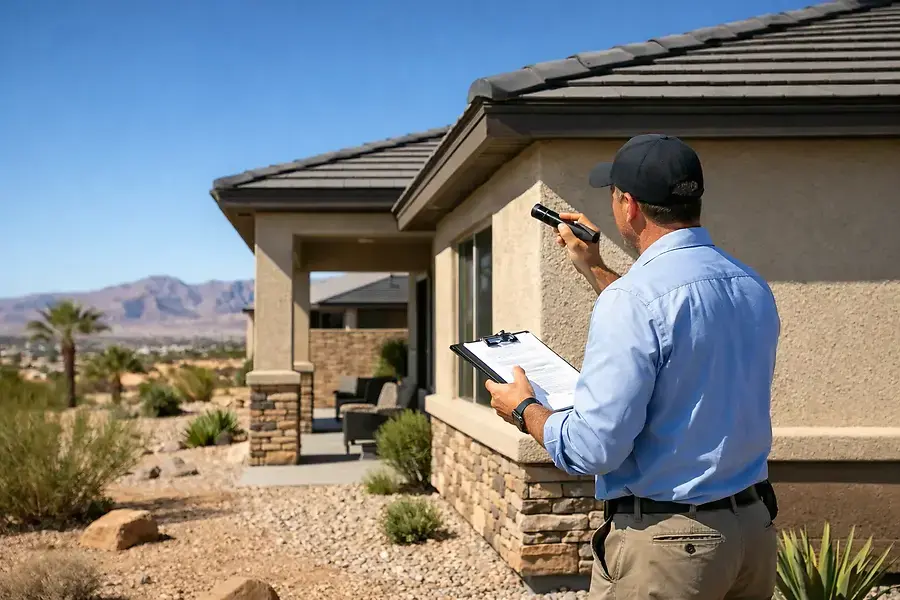
Understanding Las Vegas Home Inspection Requirements
When purchasing a home in Las Vegas, a professional home inspection is one of the most critical steps in the buying process. Unlike some states, Nevada doesn't mandate home inspections, but they remain a highly recommended practice for protecting your investment. A thorough inspection typically costs between $300 and $500 and provides invaluable insights into the property's condition.
Home inspectors in Las Vegas are required to hold a license and follow the Nevada Revised Statutes. They conduct comprehensive evaluations of residential properties, examining structural integrity, mechanical systems, and overall safety. The inspection process usually takes 2-3 hours, depending on the property's size and age.
Why Inspections Matter in the Desert Climate
Las Vegas's unique desert environment presents specific challenges that standard home inspections must address. The intense heat, low humidity, and occasional flash flooding create conditions that can accelerate wear and tear on homes. Professional inspectors understand these regional factors and know exactly what to look for in desert properties.
Key Areas Inspectors Focus On in Desert Properties
Roof and Exterior Structures
The scorching desert sun takes a significant toll on roofing materials. Inspectors examine shingles for brittleness, curling, and missing sections. They also assess the condition of gutters, downspouts, and flashing. In Las Vegas, roof replacement may be necessary sooner than in other climates due to UV exposure and extreme temperature fluctuations.
Air Conditioning and HVAC Systems
A functioning air conditioning system is non-negotiable in Las Vegas. Inspectors thoroughly test AC units, checking refrigerant levels, compressor operation, and ductwork integrity. They evaluate whether the system is appropriately sized for the home and assess its age and maintenance history. Given the relentless heat, an aging or inefficient AC system could mean costly repairs or replacement.
Foundation and Concrete
Desert soil conditions can cause foundation issues. Inspectors look for cracks in the foundation, uneven settling, and signs of water damage. They examine concrete driveways and patios for deterioration caused by salt deposits and extreme temperature changes. These issues are particularly common in older Las Vegas properties.
Plumbing and Water Systems
Hard water is prevalent in Las Vegas, which can affect pipes and fixtures over time. Inspectors test water pressure, check for leaks, and examine the condition of water heaters. They also assess whether the property has adequate drainage to handle occasional desert storms and flash flooding.
Electrical Systems
Inspectors verify that electrical panels are up to code, test outlets and switches, and ensure proper grounding. They look for outdated wiring that may pose fire hazards and confirm that the home's electrical capacity meets modern demands, especially important for homes with multiple air conditioning units.
Windows and Doors
Desert sun can damage seals and cause glass to become brittle. Inspectors check for proper operation, seal integrity, and signs of thermal stress. They also verify that windows and doors provide adequate insulation and security.
Red Flags and How to Address Inspection Issues
Common Issues Found in Las Vegas Homes
Water Intrusion and Flooding: Evidence of water damage, mold, or improper grading that could lead to flooding is a serious concern. If detected, you may need to invest in grading improvements, sump pumps, or waterproofing solutions.
Outdated or Failing HVAC Systems: An air conditioning system nearing the end of its lifespan could require replacement costing $5,000 to $10,000 or more. Request the seller cover replacement costs or negotiate a credit toward repairs.
Structural Cracks: While minor cracks are common, significant foundation cracks warrant a structural engineer's evaluation. This could indicate serious issues requiring expensive repairs.
Roof Deterioration: If the roof is approaching the end of its lifespan, factor in replacement costs. A new roof can cost $8,000 to $15,000 depending on size and materials.
Negotiating After Inspection
Once you receive the inspection report, you have several options:
- Request repairs: Ask the seller to fix identified issues before closing.
- Negotiate credits: Request a credit toward closing costs to handle repairs yourself.
- Renegotiate price: Use inspection findings to justify a lower purchase price.
- Walk away: If major issues exist, you may have grounds to terminate the purchase agreement.
The key is understanding which issues are deal-breakers and which are manageable. Work with your real estate agent and inspector to prioritize concerns based on safety, cost, and long-term impact.
Making Informed Decisions After Your Inspection Report
Understanding Your Inspection Report
A comprehensive inspection report details every system and component examined. It categorizes findings as satisfactory, minor issues, or major concerns. Take time to review the report thoroughly and ask your inspector to explain anything you don't understand. Many inspectors offer follow-up consultations to discuss findings in detail.
Getting a Second Opinion
For major issues, consider hiring a specialist. A structural engineer can evaluate foundation concerns, while an HVAC technician can assess air conditioning systems. These additional inspections cost extra but provide peace of mind and expert recommendations.
Planning for Future Maintenance
Even if the inspection reveals no major issues, use the report as a maintenance guide. The inspector's findings help you understand the home's systems and plan for future upkeep. Regular maintenance can prevent small issues from becoming expensive problems.
Protecting Your Investment
A home inspection is your opportunity to make an informed decision about one of the largest purchases you'll make. Don't skip this step or rush through the process. Take the inspection seriously, ask questions, and use the findings to negotiate favorable terms or walk away if necessary.
By understanding what inspectors look for and how to interpret their findings, you'll be better equipped to protect your Las Vegas real estate investment and make a confident buying decision.


