Essential Las Vegas Home Inspections: Protect Your Investment
Discover the critical inspection points that protect your Las Vegas investment and prevent costly surprises.

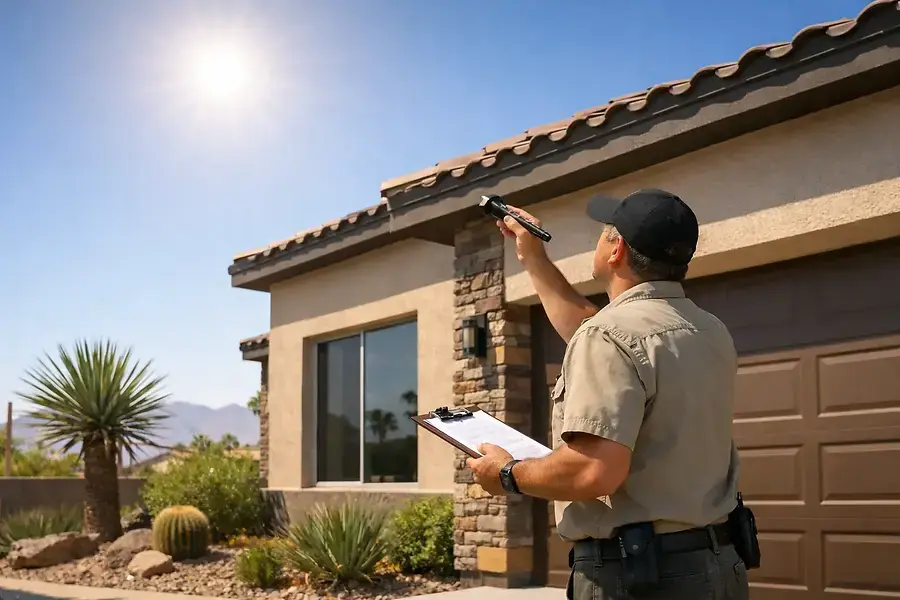
Understanding the Home Inspection Process in Las Vegas
A home inspection is one of the most critical steps in the real estate purchase process, especially in Las Vegas where the desert climate presents unique challenges. During a typical inspection, a licensed professional will spend 2-4 hours examining your potential property from top to bottom, evaluating structural integrity, mechanical systems, and overall safety.
The inspection process in Las Vegas follows industry standards set by the American Society of Home Inspectors (ASHI), but local inspectors understand the specific demands of the desert environment. Your inspector will provide a detailed written report documenting their findings, which becomes essential evidence during negotiations with sellers.
It's important to note that home inspections are not pass-or-fail evaluations. Instead, they identify existing conditions and potential issues that may require attention or repair. This information empowers you to make informed decisions about your investment.
Key Areas Inspectors Focus On in Desert Homes
Roof and Exterior Surfaces
The intense desert sun and occasional monsoon storms make roofing a critical concern in Las Vegas. Inspectors examine:
- Roof condition, age, and remaining lifespan
- Flashing around chimneys, vents, and skylights
- Signs of water damage or leaks
- Exterior wall condition and paint deterioration
HVAC and Cooling Systems
Air conditioning isn't a luxury in Las Vegas—it's essential. Inspectors pay special attention to cooling systems because they work overtime in the desert climate. They evaluate:
- Age and efficiency of air conditioning units
- Proper refrigerant levels
- Ductwork condition and sealing
- Thermostat functionality
Plumbing and Water Systems
Hard water is common in Las Vegas, affecting plumbing longevity. Inspectors check:
- Water pressure and flow rates
- Pipe material and corrosion signs
- Water heater age and condition
- Drainage systems and potential blockages
Electrical Systems
Proper electrical systems are crucial for safety and functionality. Inspectors examine:
- Panel capacity and breaker conditions
- Grounding and bonding
- Outlet and switch functionality
- Compliance with current electrical codes
Foundation and Structural Elements
Desert soil conditions can affect foundations differently than other regions. Inspectors look for cracks, settling, or movement that could indicate structural concerns. They also evaluate:
- Foundation cracks and their severity
- Concrete slab conditions
- Proper drainage around the foundation
- Signs of pest damage or termites
How to Interpret Inspection Reports and Red Flags
Understanding Report Categories
Professional inspection reports typically categorize findings into levels of severity. Learn to distinguish between minor issues and major concerns:
- Safety Issues: Problems that pose immediate danger (electrical hazards, structural damage)
- Major Repairs: Significant systems needing replacement or major work (roof, HVAC, foundation)
- Minor Repairs: Small fixes that don't affect functionality (caulking, paint touch-ups)
- Maintenance Items: Regular upkeep recommendations (gutter cleaning, filter changes)
Red Flags to Watch For
Certain findings should trigger deeper investigation:
- Multiple roof leaks or extensive water damage
- HVAC systems over 15 years old in the Las Vegas climate
- Foundation cracks wider than 1/4 inch or showing signs of movement
- Outdated electrical panels or aluminum wiring
- Evidence of previous flooding or water intrusion
- Pest infestations or structural damage from termites
Asking the Right Questions
Don't hesitate to contact your inspector for clarification. Ask about repair costs, urgency of fixes, and whether issues are common in Las Vegas homes. This information helps you negotiate effectively with sellers or decide if the property is worth pursuing.
Next Steps: Using Inspection Results in Your Purchase Decision
Negotiation Strategies
Armed with inspection findings, you have several options:
- Request repairs: Ask the seller to fix identified issues before closing
- Request credits: Negotiate a price reduction to cover repair costs yourself
- Walk away: If major issues exist, you may decide the property isn't worth the investment
- Accept as-is: If issues are minor and you're comfortable with them, proceed with the purchase
Getting Professional Estimates
For significant findings, obtain written estimates from licensed contractors. This documentation strengthens your negotiating position and provides realistic cost expectations. In Las Vegas, HVAC repairs and roof work are particularly common post-inspection negotiations.
Planning for Future Maintenance
Even if you proceed with the purchase, use the inspection report as a maintenance roadmap.
A well-maintained home protects your investment and prevents small issues from becoming expensive problems.Schedule regular HVAC servicing, roof inspections, and plumbing checks based on the inspector's recommendations.
Final Considerations
Remember that no home is perfect. The goal of a home inspection is to ensure you understand what you're buying and can make an informed decision. In Las Vegas's unique desert environment, understanding these inspection points helps you protect your investment and avoid costly surprises down the road.
Take your time reviewing the inspection report, ask questions, and consult with your real estate agent about next steps. Your thorough due diligence today will pay dividends throughout your homeownership journey.


