Essential Portland Home Inspection Guide for Residential Buyers
Discover the critical inspection items unique to Portland properties and how to protect your investment.

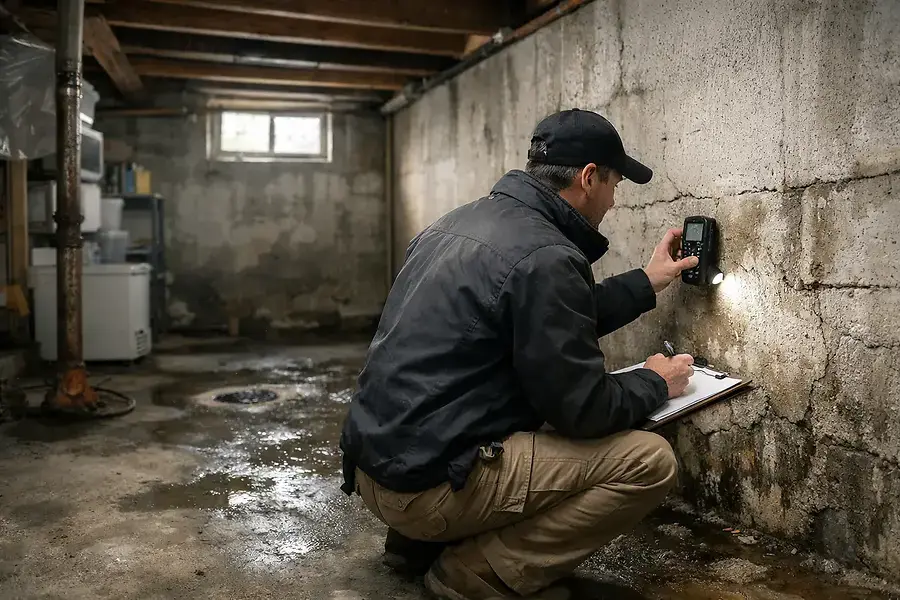
Why Portland Home Inspections Matter
Purchasing a home in Portland is one of the most significant investments you'll make. A thorough home inspection is not just a formality—it's your opportunity to uncover potential issues before committing to the purchase. Portland's unique climate, aging housing stock, and regional building characteristics create specific challenges that require expert attention.
The Pacific Northwest's wet climate and Portland's many older homes mean that moisture damage, foundation problems, and aging systems are common concerns. A professional home inspection can save you thousands of dollars in unexpected repairs and provide peace of mind about your new property.
Common Portland Home Issues: Foundation, Moisture & Aging Systems
Foundation Concerns
Portland's clay-rich soil and high water table make foundation issues particularly common in the region. Many older homes were built with shallow foundations that can shift or crack over time. During your inspection, look for:
- Visible cracks in basement walls or crawl spaces
- Uneven floors or doors that don't close properly
- Water seepage or dampness in foundation areas
- Settling that indicates structural movement
A qualified inspector will assess whether foundation issues are cosmetic or require immediate attention and costly repairs.
Moisture and Water Damage
Portland's rainy climate makes moisture management critical. Water intrusion can lead to mold, rot, and structural damage if left unchecked. Key areas to inspect include:
- Roof condition and flashing integrity
- Gutters and downspouts for proper drainage
- Basement and crawl space moisture levels
- Window and door seals for water penetration
- Exterior siding for gaps or damage
Pro tip: Ask your inspector about the presence of mold or mildew, which thrive in Portland's damp environment. Addressing moisture issues early prevents expensive remediation later.
Aging Systems and Components
Many Portland homes were built decades ago, meaning their electrical, plumbing, and HVAC systems may be outdated or failing. Common aging system issues include:
- Knob-and-tube wiring or outdated electrical panels
- Galvanized pipes prone to corrosion and leaks
- Old furnaces or boilers with reduced efficiency
- Asbestos in insulation, flooring, or roofing materials
- Outdated plumbing fixtures requiring replacement
Understanding the age and condition of these systems helps you budget for future upgrades and identify safety hazards.
The Inspection Process: What to Expect and Questions to Ask
Before the Inspection
Schedule your inspection as soon as your offer is accepted. Most inspections take 2-4 hours depending on the home's size and age. Arrange to be present during the inspection so you can ask questions and learn about the property firsthand.
During the Inspection
A thorough Portland home inspection covers:
- Structural components and foundation
- Roof, gutters, and exterior drainage
- Windows, doors, and weatherproofing
- Electrical system and safety
- Plumbing and water systems
- HVAC and heating systems
- Interior walls, ceilings, and floors
- Basement or crawl space conditions
Follow your inspector around and take notes. Ask about any concerns they identify and request clarification on technical issues.
Critical Questions to Ask Your Inspector
Don't hesitate to ask these important questions:
- "What are the most significant issues with this property?"
- "Are there any safety hazards I should know about?"
- "How much longer do the major systems have before replacement?"
- "What maintenance issues need immediate attention?"
- "Are there signs of past water damage or mold?"
- "What's the condition of the foundation and crawl space?"
- "Do you recommend any specialized inspections?" (radon, asbestos, pest, etc.)
After the Inspection
You'll receive a detailed inspection report within 24-48 hours. Review it carefully and use the findings to negotiate repairs or credits with the seller. Consider hiring specialists for any major concerns identified—a radon test, mold assessment, or structural engineer evaluation can provide additional peace of mind.
"A home inspection is your chance to make an informed decision. Don't skip this critical step in the buying process."
Making Informed Decisions with Inspection Results
Once you have your inspection report, you have several options:
- Request repairs: Ask the seller to fix significant issues before closing
- Negotiate credits: Receive a credit at closing to handle repairs yourself
- Walk away: Use inspection results as grounds to terminate the purchase if issues are severe
- Accept as-is: Proceed with the purchase knowing the property's condition
Remember that not every issue requires immediate action. Your inspector can help prioritize which problems need urgent attention and which can be addressed over time.
A home inspection is an investment in your future. By understanding Portland's unique housing challenges and asking the right questions, you'll make a confident, informed decision about your new home. Don't let inspection results surprise you after closing—use this valuable information to protect your investment and plan for the future.


