Essential Residential Property Inspection Guide for NYC Home Buyers
Protect your investment with this comprehensive checklist for inspecting homes across New York City neighborhoods.

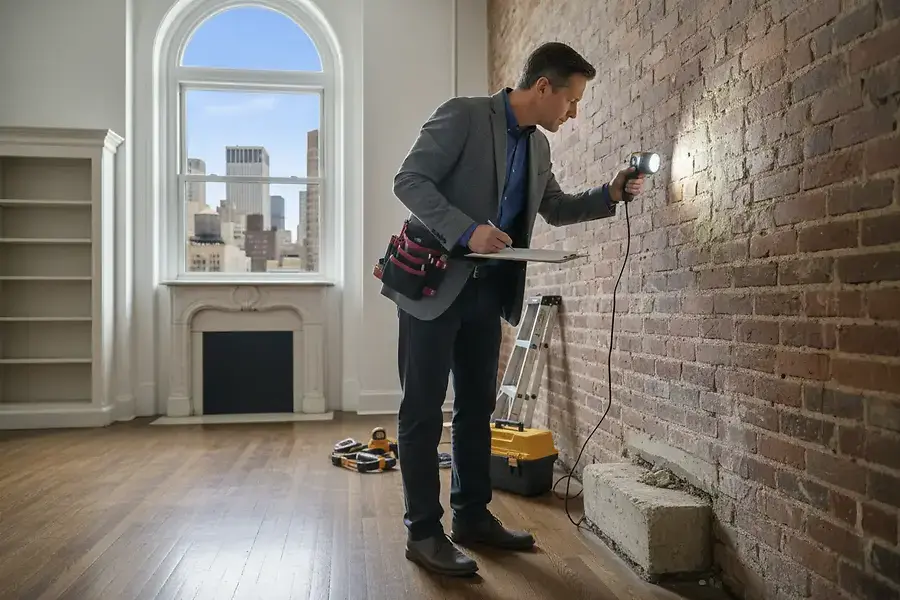
Why Property Inspections Matter in the NYC Market
Purchasing a home in New York City represents one of the most significant financial decisions you'll make. The competitive real estate market, combined with the age and complexity of many NYC buildings, makes thorough property inspections absolutely essential. A comprehensive inspection can reveal hidden issues that could cost thousands in repairs and help you negotiate better terms or walk away from problematic properties.
NYC's diverse housing stock ranges from pre-war brownstones to modern condominiums, each with unique structural considerations. Professional inspections protect your investment by identifying potential problems before you commit to a purchase. Whether you're buying in Manhattan, Brooklyn, Queens, or the Bronx, understanding what to look for during an inspection is crucial.
Critical Areas to Inspect: From Foundation to Roof Systems
Foundation and Structural Integrity
The foundation is the backbone of any property. Look for:
- Visible cracks in basement walls or floors
- Signs of water intrusion or moisture damage
- Uneven settling or sloping floors
- Deterioration of concrete or masonry
Foundation issues are expensive to repair, so this inspection area demands careful attention. In older NYC buildings, foundation problems are not uncommon and can significantly impact property value.
Roof and Exterior Systems
A compromised roof can lead to extensive water damage throughout the property. During inspection, examine:
- Roof material condition and remaining lifespan
- Flashing around chimneys and vents
- Gutters and downspout functionality
- Exterior wall condition and waterproofing
- Windows and door seals
NYC's weather patterns, including heavy snow and rain, place significant stress on roofing systems. Budget for roof replacement if the existing roof is nearing the end of its life.
Plumbing and Water Systems
Water-related issues are among the most common problems in NYC properties. Inspect:
- Pipe material and condition (lead pipes are a concern in older buildings)
- Water pressure and flow rates
- Drainage system functionality
- Signs of leaks or water damage
- Water heater age and condition
Many older NYC buildings still contain lead pipes or galvanized pipes that may need replacement. This is a critical health and safety concern.
Electrical Systems
Electrical safety is paramount. Your inspector should evaluate:
- Panel capacity and condition
- Grounding and bonding systems
- Presence of outdated wiring (knob-and-tube, aluminum)
- GFCI outlets in wet areas
- Overall system safety and code compliance
Outdated electrical systems may require significant upgrades to meet current safety standards.
HVAC and Climate Control
Heating and cooling systems are essential in NYC's climate. Check:
- Boiler or furnace age and efficiency
- Air conditioning unit condition
- Ductwork integrity and cleanliness
- Thermostat functionality
- Maintenance records
Interior Conditions
Don't overlook interior elements:
- Mold or mildew presence
- Asbestos in insulation or flooring (common in older buildings)
- Paint condition and lead paint concerns
- Structural cracks in walls or ceilings
- Flooring integrity
Understanding NYC Building Codes and Compliance Requirements
Local Law Compliance
New York City has stringent building codes and local laws that properties must meet. Ensure the property complies with all applicable regulations, including:
- Local Law 11 (facade inspection requirements)
- Local Law 97 (emissions limits for large buildings)
- Lead paint disclosure requirements
- Smoke and carbon monoxide detector requirements
Certificate of Occupancy
Verify that the property has a valid Certificate of Occupancy. This document confirms that the building meets all safety and code requirements. Never purchase a property without this certification, as it can create significant legal and financial complications.
Permits and Renovations
Ask about any renovations or modifications made to the property. Unpermitted work can create liability issues and may need to be corrected at your expense. Request documentation for all major work completed.
Building Violations
Check the Department of Buildings website for any open violations on the property. Understanding existing violations helps you negotiate repairs or credits before closing.
Making Informed Decisions Before Your Purchase
Hire a Licensed Inspector
Always hire a licensed, experienced home inspector familiar with NYC properties. They understand the unique challenges of older buildings and local code requirements. Don't rely solely on the seller's inspector or skip this critical step.
Review the Inspection Report Thoroughly
Take time to understand the inspection findings. Ask your inspector to explain any concerns and provide cost estimates for necessary repairs. Use this information to negotiate with the seller or make an informed decision about proceeding.
Consider a Second Opinion
For significant issues, consider hiring a specialist inspector. Structural engineers, electricians, or plumbers can provide detailed assessments of specific systems and help you understand repair costs.
Budget for Repairs and Maintenance
Factor inspection findings into your offer and budget. Set aside funds for necessary repairs and ongoing maintenance. NYC properties, particularly older ones, often require more maintenance than suburban homes.
Remember: A thorough property inspection is an investment in your peace of mind and financial security. The cost of a professional inspection is minimal compared to the potential savings from identifying problems before purchase.
By following this comprehensive inspection guide and understanding NYC's building requirements, you'll be better equipped to make informed decisions and protect your investment in New York City's competitive real estate market.