Evaluating Cedar Rapids Homes: A Buyer's Guide to Property Inspections
A practical guide to inspecting properties and assessing value in today's Cedar Rapids residential market.

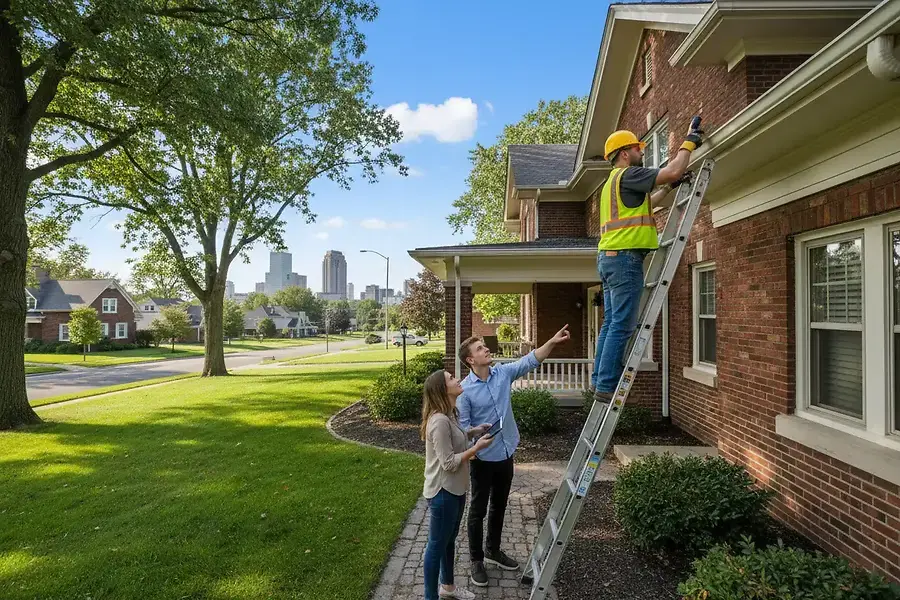
Introduction: Why Home Evaluation Matters in Cedar Rapids
Purchasing a home is one of the most significant financial decisions you'll make in your lifetime. In the Cedar Rapids residential market, thorough property evaluation isn't just recommended—it's essential. Whether you're a first-time homebuyer or an experienced investor, understanding how to properly inspect and assess a property can save you thousands of dollars and prevent costly surprises down the road.
Cedar Rapids offers a diverse range of properties, from charming historic homes to modern new constructions. Each property type presents unique considerations and potential challenges. By learning what to look for during inspections and how to evaluate neighborhood factors, you'll be equipped to make informed decisions that align with your needs and budget.
Essential Inspection Points: What to Look for in Cedar Rapids Properties
Structural Integrity and Foundation
The foundation is the backbone of any home. Look for signs of settling, cracks in the basement walls, or water damage. Cedar Rapids experiences seasonal weather variations, which can impact foundation stability. Pay special attention to any visible cracks, bowing walls, or moisture intrusion, as these issues can be expensive to repair.
Walk around the exterior perimeter and check for:
- Cracks in the foundation or concrete
- Water stains or efflorescence (white mineral deposits)
- Gaps between the foundation and siding
- Signs of previous water damage or flooding
Roof and Exterior Systems
The roof protects your entire investment. Examine shingles for curling, missing pieces, or excessive wear. A well-maintained roof should last 15-25 years depending on the material. Check gutters and downspouts for proper drainage, as poor water management can lead to foundation and siding problems.
Don't forget to inspect:
- Siding condition and any signs of rot or damage
- Windows and doors for proper sealing and operation
- Flashing around chimneys and vents
- Grading and drainage away from the home
Plumbing and Water Systems
Test all faucets, showers, and toilets for proper water pressure and drainage. Ask about the age of the water heater and check for leaks underneath sinks and around the toilet base. Cedar Rapids water quality is generally good, but it's important to verify the plumbing system is functioning properly.
Key areas to evaluate:
- Water pressure and flow rates
- Signs of leaks or water damage
- Condition of visible pipes
- Septic system or municipal sewer connection
Electrical Systems
Verify that the electrical panel is properly labeled and in good condition. Check for outdated wiring, especially in older homes. Knob-and-tube wiring or aluminum wiring may require replacement. Test outlets in multiple rooms to ensure they're functioning correctly and properly grounded.
HVAC and Climate Control
Ask about the age and maintenance history of the heating and cooling systems. These are critical in Cedar Rapids, where winters can be harsh and summers warm. Request service records and have a professional inspect the system for efficiency and safety.
Assessing Property Value and Neighborhood Factors
Comparable Market Analysis
Research recently sold properties in the neighborhood to understand fair market value. Look at homes with similar square footage, age, and condition. This data helps you determine whether the asking price is competitive and reasonable for the Cedar Rapids market.
Neighborhood Characteristics
Visit the neighborhood at different times of day and days of the week. Notice the overall maintenance of surrounding properties, street conditions, and community amenities. Consider proximity to schools, shopping, parks, and employment centers. A well-maintained neighborhood typically indicates stable property values.
Evaluate these neighborhood factors:
- School district ratings and quality
- Crime rates and safety statistics
- Proximity to employment and shopping
- Parks, recreation facilities, and community services
- Future development plans that might affect the area
Property-Specific Value Drivers
Beyond the structure itself, certain features add value. Updated kitchens and bathrooms, energy-efficient systems, and recent renovations typically command higher prices. Natural light, outdoor space, and unique architectural features also influence property value.
"A home is only worth what someone is willing to pay for it. Understanding both the property's condition and the neighborhood's appeal helps you determine that true value."
Future Resale Potential
Think long-term when evaluating a property. Consider whether the home will appeal to future buyers. Properties in growing neighborhoods with good schools and amenities tend to appreciate better over time. Avoid homes with significant structural issues or in declining neighborhoods unless you're planning major renovations.
Conclusion: Making Confident Offers on Cedar Rapids Homes
Thorough property evaluation is your best defense against costly mistakes and regrettable purchases. By systematically inspecting structural elements, mechanical systems, and neighborhood factors, you gain the knowledge needed to make confident offers.
Remember to hire a professional home inspector before making any final decisions. Their expertise can uncover issues that untrained eyes might miss. Combine professional inspection reports with your own observations and market research to develop a comprehensive understanding of any property you're considering.
The Cedar Rapids residential market offers excellent opportunities for informed buyers. Take your time, ask questions, and don't rush the evaluation process. With diligence and attention to detail, you'll find a home that meets your needs, fits your budget, and represents a sound investment for your future.


