Evaluating Commercial Properties in Randolph: What Buyers Need to Know
A comprehensive guide to assessing location, zoning, and financial viability when purchasing commercial real estate in Randolph.

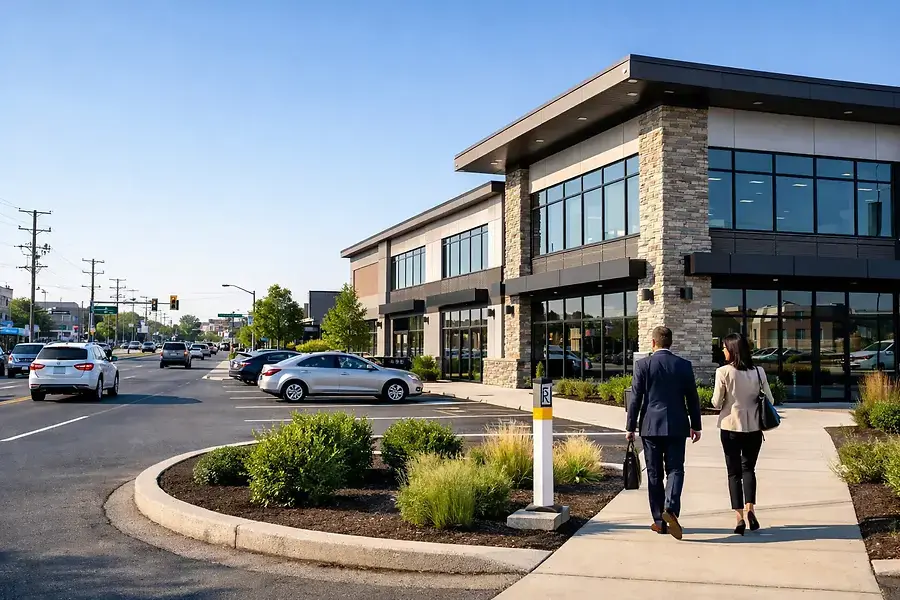
Introduction: Why Commercial Property Evaluation Matters in Randolph
Purchasing commercial property is one of the most significant financial decisions a business owner or investor can make. In Randolph, a thriving commercial hub with diverse opportunities, the stakes are particularly high. Unlike residential properties, commercial real estate requires a more sophisticated evaluation process that considers multiple variables beyond simple aesthetics and square footage.
Whether you're looking to establish a new business location, expand your operations, or invest in income-generating property, understanding how to properly evaluate commercial properties in Randolph is essential. This comprehensive guide will walk you through the critical factors that should influence your purchasing decision.
Key Factors to Assess: Location, Accessibility, and Local Market Trends
Location and Visibility
The old real estate adage "location, location, location" holds particularly true for commercial properties. In Randolph, your property's location directly impacts foot traffic, customer accessibility, and long-term value appreciation.
- Proximity to major roads and highways: Properties near main thoroughfares typically attract more customers and benefit from higher visibility.
- Neighborhood demographics: Understand the surrounding area's population density, income levels, and consumer behavior patterns.
- Competition analysis: Evaluate what competing businesses are nearby and whether the market can support additional enterprises.
- Future development plans: Research municipal zoning plans and upcoming infrastructure projects that could affect property values.
Zoning and Regulatory Compliance
Zoning regulations are fundamental to commercial property evaluation. Randolph has specific zoning classifications that determine what types of businesses can operate in different areas.
Before making any offer, verify:
- The property's current zoning classification and permitted uses
- Whether your intended business use complies with local zoning ordinances
- Any restrictions on signage, operating hours, or parking requirements
- The process and likelihood of obtaining a variance if needed
- Environmental regulations and compliance requirements
Failing to properly assess zoning can result in costly delays or the inability to operate your intended business. Always consult with a local real estate attorney or zoning specialist before proceeding.
Accessibility and Parking
Customer and employee accessibility is crucial for commercial success. Evaluate whether the property offers adequate parking, easy entry and exit, and accessibility for individuals with disabilities. Properties with limited parking or difficult access may struggle to attract customers, regardless of other advantages.
Local Market Trends
Understanding Randolph's commercial real estate market trends helps you make informed decisions about timing and pricing. Consider:
- Current market conditions: Is it a buyer's or seller's market?
- Average commercial property prices and rental rates in the area
- Economic indicators and business growth trends in Randolph
- Vacancy rates for comparable properties
- Emerging neighborhoods and growth corridors
Financial Considerations: ROI, Operating Costs, and Financing Options
Return on Investment (ROI) Analysis
For investment properties, calculating potential ROI is essential. This involves analyzing rental income potential, appreciation prospects, and comparing returns against alternative investments.
Key metrics to evaluate:
- Cap Rate: Net operating income divided by property value, indicating annual return on investment
- Cash-on-Cash Return: Annual cash flow divided by initial cash investment
- Appreciation Potential: Historical and projected property value growth in the area
Operating Costs and Expenses
Beyond the purchase price, commercial properties come with ongoing expenses that significantly impact profitability. Thoroughly research and budget for:
- Property taxes and insurance premiums
- Maintenance and repair costs
- Utilities and facility management
- Tenant improvements and renovations
- Property management fees
- Potential vacancy periods and lost rental income
Request detailed expense histories from current owners and obtain quotes from service providers to create realistic operating budgets.
Financing Options
Commercial property financing differs significantly from residential mortgages. Explore your options:
- Traditional bank loans: Typically require 20-30% down payment and strong credit
- SBA loans: Government-backed programs that may offer favorable terms for qualified borrowers
- Portfolio lenders: Banks that hold mortgages in-house, sometimes offering more flexible terms
- Private financing: Alternative funding from investors or private lenders
Work with a commercial mortgage broker familiar with Randolph's market to identify the best financing options for your situation. Interest rates, terms, and down payment requirements vary significantly between lenders.
Due Diligence and Inspections
Never skip professional inspections and thorough due diligence. Hire qualified inspectors to evaluate:
- Structural integrity and building systems
- Environmental conditions and potential contamination
- Compliance with building codes and safety regulations
- Roof condition, HVAC systems, and electrical infrastructure
Environmental assessments are particularly important, as contamination issues can result in substantial remediation costs and liability.
Conclusion: Making Informed Decisions in Randolph's Commercial Market
Evaluating commercial properties in Randolph requires a systematic approach that balances location advantages, regulatory compliance, and financial viability. By thoroughly assessing these key factors, you position yourself to make informed decisions that align with your business goals and investment objectives.
Remember to:
- Conduct comprehensive market research and competitive analysis
- Verify zoning compliance and regulatory requirements
- Perform detailed financial analysis and ROI calculations
- Invest in professional inspections and due diligence
- Consult with experienced commercial real estate professionals
The commercial real estate market in Randolph offers substantial opportunities for business owners and investors. With careful evaluation and professional guidance, you can identify properties that offer strong potential for success and long-term value creation. Take your time, ask the right questions, and don't rush into a decision. The right property is worth the effort it takes to find it.


