Evaluating Commercial Property Locations: A Guide for Arizona Businesses
Master the essential criteria successful business owners use to find the perfect commercial space throughout Arizona.

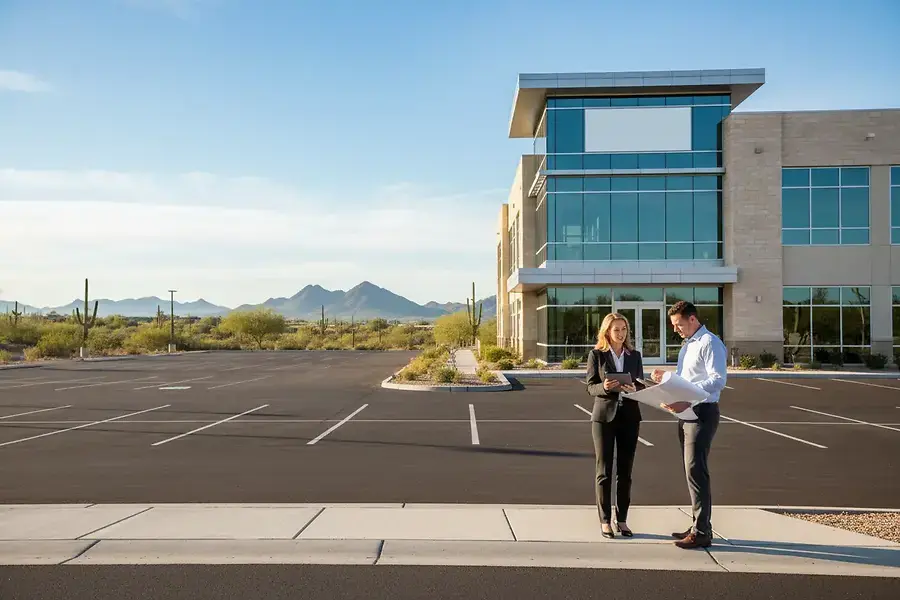
Introduction: Why Location Strategy Matters for Arizona Businesses
Selecting the right commercial property location is one of the most critical decisions a business owner can make. In Arizona's diverse and rapidly growing market, the difference between a thriving business and a struggling one often comes down to location strategy. Whether you're opening a retail storefront in Phoenix, a tech office in Scottsdale, or a warehouse in Tucson, understanding how to evaluate potential sites can mean the difference between success and failure.
The Arizona business landscape offers tremendous opportunities, but it also presents unique challenges. From the intense summer heat affecting foot traffic patterns to the state's booming population growth creating new market dynamics, location decisions require careful analysis and local knowledge. This guide will walk you through the essential criteria that successful business owners use when evaluating commercial properties across Arizona.
Key Factors for Evaluating Commercial Property Sites Across Arizona
Accessibility and Visibility
Accessibility is paramount for most commercial ventures. Consider how easily customers, employees, and suppliers can reach your location. Properties near major highways, intersections, and public transportation hubs typically offer better accessibility. In Arizona's car-dependent culture, proximity to major roads like the I-10, I-17, and Loop 101 can significantly impact your business's success.
Visibility matters equally, especially for retail businesses. Look for locations with high visibility from main roads and minimal obstruction from buildings or landscaping. Corner lots and properties with clear sightlines from busy streets tend to attract more foot traffic and drive-by customers.
Demographics and Target Market Alignment
Understanding the demographic makeup of your potential location is essential. Analyze:
- Population density and growth trends in the area
- Age distribution and household income levels
- Education levels and professional composition
- Consumer spending patterns and preferences
Arizona's diverse communities—from affluent Scottsdale neighborhoods to growing suburban areas like Gilbert and Chandler—offer different demographic profiles. Ensure your target market aligns with the local population to maximize your customer base.
Competition and Market Saturation
Evaluate the competitive landscape in your chosen area. Too much competition can make it difficult to establish market share, while too little competition might indicate weak market demand. Research existing businesses in your industry and assess whether there's room for another player. Look for underserved markets or areas where you can differentiate your offering.
Foot Traffic and Parking
For retail and service-based businesses, foot traffic is crucial. Visit potential locations at different times of day and days of the week to gauge traffic patterns. Additionally, ensure adequate parking is available. Arizona's climate makes convenient parking essential—customers are less likely to walk long distances in extreme heat.
Zoning and Regulatory Compliance
Verify that the property's zoning permits your intended business use. Arizona's zoning regulations vary by municipality, so what's permitted in Phoenix might differ from Tempe or Mesa. Consult with local zoning departments and legal professionals to ensure full compliance and avoid costly surprises after signing a lease.
Infrastructure and Utilities
Assess the property's infrastructure capabilities. Consider:
- Electrical capacity for your equipment and operations
- Water and sewage systems (critical for food service or manufacturing)
- Internet and telecommunications availability
- HVAC systems and cooling capacity (essential in Arizona's climate)
Arizona's extreme heat means robust cooling systems are non-negotiable for employee comfort and product preservation.
Lease Terms and Cost Structure
Beyond the base rent, evaluate the total cost of occupancy. Factor in:
- Common area maintenance (CAM) fees
- Property taxes and insurance
- Utilities and operational costs
- Lease length and renewal options
- Tenant improvement allowances
Negotiate strategically to ensure favorable terms that support your business's financial projections.
Common Location Mistakes Arizona Business Owners Make
Prioritizing Low Rent Over Strategic Location
Many business owners chase the cheapest available space, only to discover that savings are offset by lost revenue from poor visibility or inaccessible locations. A slightly higher rent in a prime location often generates better returns than rock-bottom pricing in a marginal area.
Ignoring Arizona's Climate Impact
Underestimating the effect of Arizona's extreme heat is a common oversight. Properties with poor cooling systems, inadequate parking shade, or locations that discourage foot traffic during summer months can significantly impact business performance. Always factor in climate-related operational costs and customer behavior patterns.
Failing to Research Growth Trends
Arizona's population continues to shift and grow. Selecting a location in a declining neighborhood while ignoring emerging growth areas can limit your business's long-term potential. Research demographic projections and development plans to position your business in areas with upward momentum.
Overlooking Parking and Accessibility Issues
Properties that seem perfect on paper may have hidden accessibility challenges. Always visit in person, test parking availability, and consider how customers with disabilities will access your business. Poor accessibility can limit your customer base and create legal liability.
Neglecting Local Regulations and Permits
Different Arizona municipalities have varying regulations regarding signage, operating hours, and business types. Failing to thoroughly research these requirements before signing a lease can result in costly modifications or inability to operate as planned.
Conclusion: Making Your Arizona Commercial Location Decision
Choosing the right commercial property location in Arizona requires balancing multiple factors—accessibility, demographics, competition, costs, and regulatory compliance. Success comes from thorough research, local market knowledge, and strategic thinking.
Take time to visit potential locations multiple times, talk to existing business owners in the area, and consult with local real estate professionals who understand Arizona's unique market dynamics. By applying the criteria outlined in this guide and avoiding common pitfalls, you'll be well-positioned to select a location that supports your business's growth and profitability for years to come.
Remember: your commercial location is more than just a physical space—it's a strategic asset that can either accelerate or hinder your business success. Choose wisely, and your location will become a competitive advantage in Arizona's dynamic business environment.