Evaluating Neighborhoods: A Complete Buyer's Guide to Finding the Right Area
Discover the key factors that determine a neighborhood's long-term value and livability before making your home purchase decision.

Why Neighborhood Research Matters More Than the House Itself
When purchasing a home, many buyers focus primarily on the property itself—the square footage, the kitchen upgrades, or the freshly painted walls. However, the neighborhood you choose will ultimately have a greater impact on your investment's success and your family's happiness than almost any feature of the house itself. A beautiful home in a declining neighborhood will depreciate, while a modest house in a thriving community will appreciate steadily over time.
Your neighborhood determines your daily quality of life, from your commute to work to the safety of your children playing outside. It influences your property's resale value, your property taxes, and your long-term financial security. Investing time in thorough neighborhood research before making an offer is one of the smartest decisions you can make as a homebuyer.
Essential Factors to Evaluate: Schools, Amenities, and Community Demographics
School Quality and Educational Opportunities
Even if you don't have school-age children, school quality significantly impacts property values and neighborhood desirability. Research school ratings, test scores, and graduation rates in your target area. Neighborhoods with highly-rated schools consistently maintain stronger property values and attract families looking to invest long-term.
Visit schools in person, speak with teachers and administrators, and talk to parents in the community. Look beyond test scores to understand the school's culture, extracurricular programs, and community involvement.
Proximity to Amenities and Services
Consider what amenities matter most to your lifestyle:
- Parks, recreation centers, and outdoor spaces
- Shopping centers, grocery stores, and restaurants
- Healthcare facilities and hospitals
- Public transportation options
- Entertainment venues and cultural institutions
- Fitness facilities and wellness centers
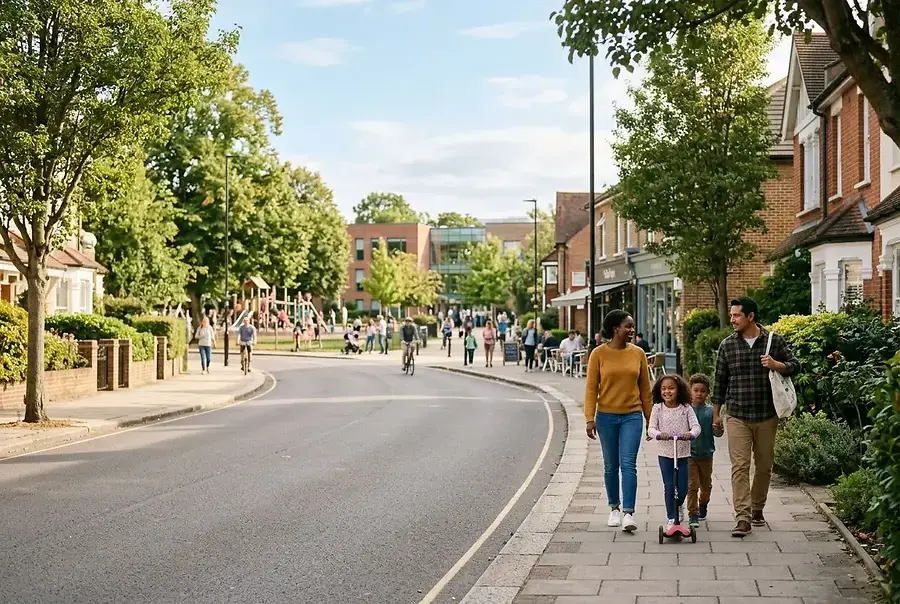
Walkability is increasingly important to homebuyers. Can you walk to essential services, or are you dependent on driving everywhere? Neighborhoods with good walkability scores tend to maintain higher property values and attract younger, more affluent residents.
Community Demographics and Character
Understanding the demographic makeup of a neighborhood helps you assess whether it aligns with your values and lifestyle. Research:
- Age distribution of residents
- Median household income levels
- Cultural diversity and community events
- Housing types and density
- Community engagement and neighborhood organizations
Visit the neighborhood at different times of day and on weekends. Talk to current residents about what they love and what they'd change. Attend community events or meetings to get a genuine feel for the area's culture and values.
Safety and Crime Statistics
Safety is non-negotiable for most families. Research crime statistics through local police departments and crime mapping websites. However, don't rely solely on numbers—visit the neighborhood during evening hours and observe the environment. Look for well-lit streets, active community watch programs, and visible police presence.
Assessing Long-Term Growth Potential and Market Trends in Your Target Area
Economic Development and Job Growth
Neighborhoods with strong economic fundamentals attract businesses, employers, and investment. Research planned commercial development, new business openings, and employment opportunities in the area. Neighborhoods positioned near growing job centers tend to appreciate faster and maintain stronger property values.
Look for signs of economic vitality: new construction, renovated storefronts, and increasing business activity. Conversely, be cautious of areas with vacant buildings, declining businesses, and limited economic activity.
Real Estate Market Trends
Analyze historical property values, price trends, and days-on-market data for your target neighborhood. Compare appreciation rates over the past 5-10 years to understand the area's growth trajectory. While past performance doesn't guarantee future results, consistent appreciation indicates a desirable, stable neighborhood.
Research planned infrastructure improvements, zoning changes, and development projects. New transit lines, highway improvements, or commercial developments can significantly boost neighborhood values. Conversely, proposed industrial projects or zoning changes might negatively impact your investment.
Population Trends and Future Growth
Is the neighborhood's population growing, stable, or declining? Growing neighborhoods typically offer better long-term investment potential. Research demographic projections and migration patterns to understand whether your target area is attracting new residents.
Look for indicators of neighborhood revitalization: young professionals moving in, new restaurants and shops opening, property renovations, and community improvements. These signs suggest the neighborhood is on an upward trajectory.
Property Tax and Cost of Living Considerations
Research property tax rates, homeowners association fees, and overall cost of living in the neighborhood. High property taxes can significantly impact your long-term ownership costs and the property's appeal to future buyers. Understand what services and infrastructure your taxes fund and whether they represent good value.
Making an Informed Decision Based on Neighborhood Fundamentals
Choosing the right neighborhood requires balancing multiple factors against your personal priorities and financial goals. Create a checklist of must-haves versus nice-to-haves, then evaluate each potential neighborhood systematically.
Remember: you can renovate a house, but you cannot change a neighborhood. Choose wisely.
Take time to envision yourself living in the neighborhood five, ten, and twenty years from now. Will it support your family's needs? Does it align with your values? Is it positioned for long-term growth and stability?
The best neighborhood for you combines strong fundamentals—good schools, amenities, safety, and economic growth—with a community character that resonates with your lifestyle. By conducting thorough research and trusting your instincts, you'll find a neighborhood where your home becomes not just a financial investment, but a place where your family can truly thrive.