Evaluating Neighborhoods: What East Bay Homebuyers Should Know
Discover how to assess schools, commute times, and community amenities before making your move to Alameda, Oakland, San Ramon, San Leandro, San Lorenzo, Berkeley, Albany, or San Francisco.

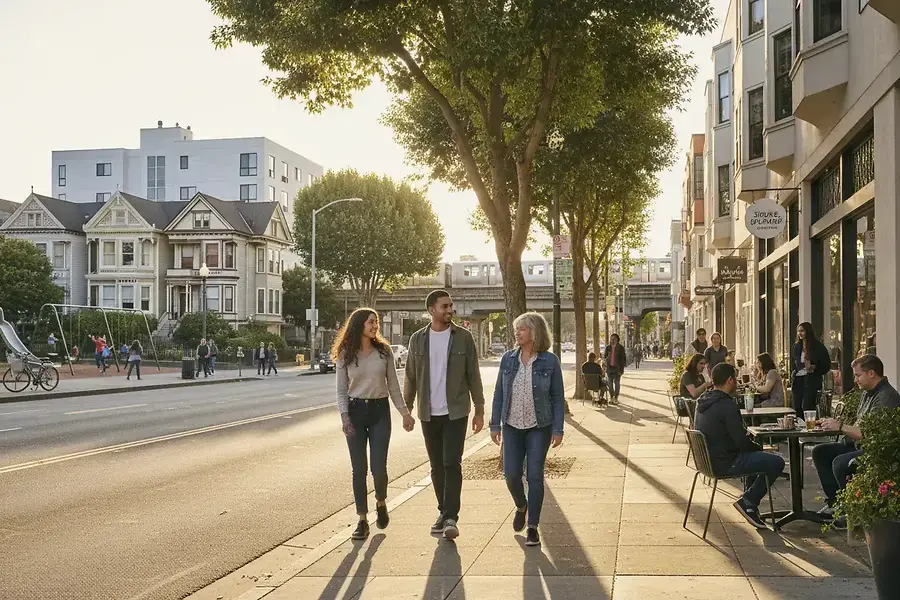
Introduction: Beyond Price Tags—Why Neighborhood Research Matters for East Bay Buyers
Purchasing a home in the East Bay is one of the most significant financial decisions you'll make. While property price is certainly important, the true value of your investment extends far beyond the listing price. The neighborhood you choose will shape your daily life, influence your property's long-term appreciation, and impact your family's quality of life for years to come.
Whether you're considering Alameda's charming waterfront communities, Oakland's vibrant cultural scene, San Ramon's family-friendly suburbs, or the urban energy of Berkeley and San Francisco, thorough neighborhood research is essential. This guide will help you evaluate the key factors that matter most when selecting your East Bay home.
Key Factors to Evaluate: Schools, Commute, Safety, and Walkability Across East Bay Communities
School Quality and Educational Opportunities
For families with children, school quality often tops the priority list. Research school ratings, test scores, and graduation rates through resources like GreatSchools and local school district websites. Beyond standardized metrics, consider:
- District reputation and community feedback from current parents
- Specialized programs such as STEM, arts, or language immersion
- Extracurricular activities and sports offerings
- School safety records and disciplinary policies
- Distance from home and transportation options
Oakland and Berkeley offer excellent public schools alongside numerous private options, while San Ramon is known for its highly-rated school district. San Leandro and San Lorenzo also provide solid educational foundations for growing families.
Commute Times and Transportation
Your daily commute significantly impacts quality of life. Consider both your primary workplace and potential future employment locations. Evaluate:
- Public transit access including BART, bus routes, and ferry services
- Highway proximity and typical traffic patterns during peak hours
- Bike-friendly infrastructure for alternative commuting options
- Parking availability and costs in your potential neighborhood
- Remote work flexibility and how it affects your commute needs
The East Bay's BART system connects most major communities, making car-free living feasible in neighborhoods like Berkeley, Oakland, and Alameda. San Ramon and San Leandro offer more car-dependent lifestyles but provide easier freeway access for those commuting south or east.
Safety and Crime Statistics
Safety is a fundamental concern for any homebuyer. Research crime statistics through the FBI's Uniform Crime Reporting program and local police department websites. Look beyond headline numbers to understand:
- Types of crimes most common in the area (property vs. violent crime)
- Crime trends over the past several years
- Neighborhood watch programs and community policing initiatives
- Street lighting and visibility in residential areas
- Police response times and community relations
Safety varies significantly within East Bay communities. Some Oakland and San Francisco neighborhoods are exceptionally safe, while others face challenges. San Ramon and Alameda generally report lower crime rates, though no area is without risk. Always visit neighborhoods at different times of day to get a genuine feel for safety.
Walkability and Community Amenities
A walkable neighborhood enhances daily life and property values. Assess walkability by considering:
- Proximity to grocery stores, restaurants, and retail
- Parks, recreation centers, and outdoor spaces
- Sidewalk quality and pedestrian infrastructure
- Local cultural venues including museums, theaters, and galleries
- Community events and neighborhood gathering spaces
Berkeley and Oakland excel in walkability and cultural amenities, offering vibrant neighborhoods with excellent restaurants and entertainment. San Francisco provides urban convenience, while Alameda combines walkability with a small-town feel. San Ramon and San Leandro are more car-dependent but offer excellent shopping centers and family-oriented amenities.
Comparing Your Top Neighborhoods: Using Data to Make Informed Decisions
Create a Comparison Matrix
Organize your research by creating a simple spreadsheet comparing neighborhoods across key metrics. Include:
- Average home prices and price trends
- School ratings and test scores
- Average commute times to your workplace
- Crime statistics and safety ratings
- Walkability scores
- Property tax rates and HOA fees
- Future development plans
Visit Multiple Times and Talk to Residents
Data tells only part of the story. Visit neighborhoods during different times of day and days of the week. Grab coffee at a local café, walk the streets, and chat with residents. Ask about their experiences, neighborhood challenges, and what they love about living there. These conversations often reveal insights that statistics cannot.
Consider Future Growth and Development
Research planned developments, infrastructure projects, and zoning changes. New transit connections, commercial developments, or school expansions can significantly impact your neighborhood's character and property values. Check city planning websites and attend local community meetings to stay informed.
Conclusion: Taking the Next Step with Confidence in Your East Bay Home Search
Choosing the right East Bay neighborhood requires balancing multiple factors—schools, commute, safety, walkability, and community character. There's no single "best" neighborhood; the right choice depends on your unique priorities, lifestyle, and long-term goals.
Take your time with this decision. Visit neighborhoods multiple times, research thoroughly, and trust your instincts about where you and your family will thrive. By evaluating these key factors systematically, you'll make an informed decision that brings confidence and satisfaction to your East Bay home purchase.
Ready to begin your search? Connect with a local real estate agent who knows these communities intimately, and start exploring the neighborhoods that align with your vision for home.