Evaluating Residential and Commercial Properties in the DFW Mid-Cities
A practical guide to understanding property types, investment potential, and market trends across Fort Worth, Arlington, Mansfield, and surrounding areas.

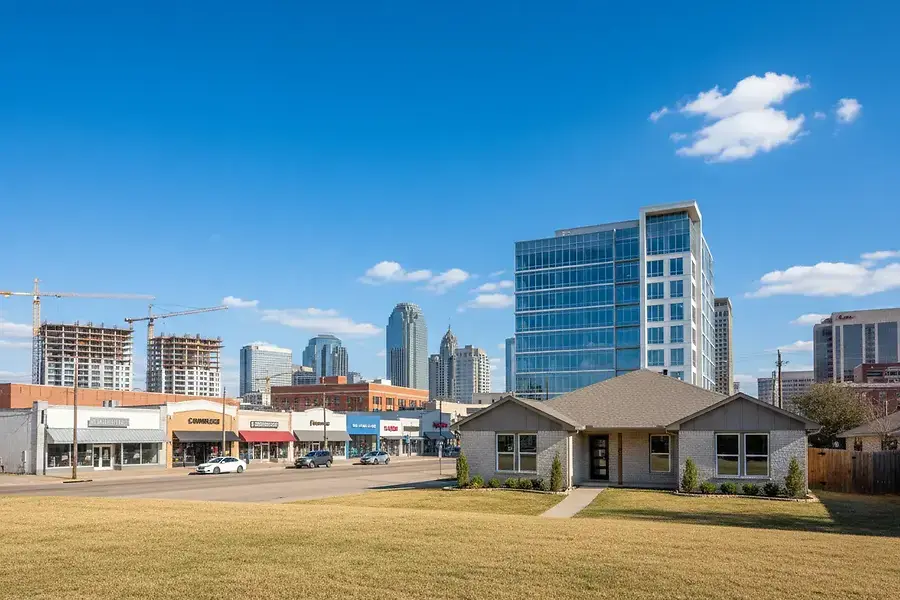
Introduction: Understanding Residential vs. Commercial Real Estate in the DFW Mid-Cities
The Dallas-Fort Worth Mid-Cities region has emerged as one of Texas's most dynamic real estate markets, attracting investors, homebuyers, and business owners alike. Whether you're considering a residential property for personal use or exploring commercial opportunities, understanding the nuances of each property type is essential for making informed decisions. This guide will help you navigate the unique characteristics, investment potential, and market trends across Fort Worth, Arlington, Mansfield, Weatherford, Benbrook, Keller, Grapevine, Southlake, and Haltom City.
Key Differences Between Residential and Commercial Properties
Residential Properties
Residential properties are designed primarily for living purposes and include single-family homes, townhouses, condominiums, and multi-family apartment complexes. These properties are governed by residential zoning laws and are typically financed through conventional mortgages.
- Financing: Easier access to traditional mortgages with favorable interest rates and longer loan terms
- Tenant Regulations: Stricter tenant protection laws and eviction procedures
- Maintenance: Generally lower maintenance costs compared to commercial properties
- Market Stability: More predictable market trends and consistent demand
- Appreciation: Steady, long-term value appreciation tied to neighborhood development
Commercial Properties
Commercial properties are designed for business operations and include office buildings, retail spaces, warehouses, industrial facilities, and mixed-use developments. These properties require specialized financing and are subject to different regulations.
- Financing: More complex financing structures with higher interest rates and shorter loan terms
- Tenant Regulations: More flexible lease agreements with fewer tenant protections
- Income Potential: Higher rental income and potential for significant returns on investment
- Market Volatility: More sensitive to economic cycles and business trends
- Operational Complexity: Requires active management and understanding of business operations
Investment Potential and Market Opportunities Across Fort Worth, Arlington, Mansfield, Weatherford, Benbrook, Keller, Grapevine, Southlake, and Haltom City
Fort Worth: The Urban Growth Hub
Fort Worth continues to experience robust growth with expanding downtown revitalization projects and increasing commercial activity. Residential opportunities range from historic neighborhoods to new suburban developments, while commercial prospects include office spaces in the booming downtown corridor and retail properties along major thoroughfares.
Arlington: Entertainment and Retail Excellence
Arlington's strategic location between Dallas and Fort Worth makes it an attractive hub for commercial investment. The presence of major entertainment venues and sports facilities drives consistent foot traffic. Commercial properties in retail and hospitality sectors show strong performance, while residential areas offer diverse options from family neighborhoods to luxury communities.
Mansfield: Emerging Residential Powerhouse
Mansfield has transformed into one of the region's fastest-growing residential markets. New master-planned communities attract families seeking affordable yet quality housing. While residential investments dominate this market, emerging commercial opportunities are developing to support the growing population.
Weatherford, Benbrook, and Keller: Suburban Stability
These communities offer a blend of suburban charm and economic stability. Residential properties appeal to those seeking quieter neighborhoods with strong schools and community amenities. Commercial development is moderate but steady, with local retail and service businesses providing consistent opportunities.
Grapevine and Southlake: Premium Markets
These affluent communities represent the premium segment of the DFW Mid-Cities market. Residential properties command higher prices but offer exceptional quality and amenities. Commercial real estate in these areas focuses on upscale retail, professional offices, and hospitality ventures catering to affluent clientele.
Haltom City: Value and Accessibility
Haltom City provides accessible entry points for both residential and commercial investors. Residential properties offer good value for budget-conscious buyers, while commercial spaces attract small businesses and service providers seeking affordable locations with solid customer bases.
Market Trends Across the Region
Population Growth: The DFW Mid-Cities continues to attract residents from across the nation, driving demand for both residential and commercial properties.
Mixed-Use Development: Communities are increasingly embracing mixed-use projects that combine residential, retail, and office spaces, creating vibrant neighborhoods and business districts.
Remote Work Impact: The rise of remote work has increased demand for residential properties with home office spaces and flexible commercial spaces for co-working arrangements.
Infrastructure Investment: Ongoing transportation and utility infrastructure improvements enhance property values and accessibility across the region.
Sustainability Focus: Green building practices and sustainable development are becoming increasingly important to both residential and commercial investors.
Conclusion: Choosing the Right Property Type for Your Goals
Selecting between residential and commercial properties in the DFW Mid-Cities depends on your financial goals, risk tolerance, and investment timeline. Residential properties offer stability, easier financing, and consistent appreciation, making them ideal for long-term wealth building and personal use. Commercial properties provide higher income potential and faster returns but require more active management and market expertise.
Consider these factors when making your decision:
- Capital Available: Determine how much you can invest upfront and what financing options suit your situation
- Time Commitment: Assess whether you can dedicate time to property management and tenant relations
- Risk Tolerance: Evaluate your comfort level with market volatility and economic uncertainty
- Location Selection: Research specific neighborhoods and commercial districts that align with your investment strategy
- Professional Guidance: Consult with real estate agents, financial advisors, and property managers familiar with the DFW Mid-Cities market
The DFW Mid-Cities region offers exceptional opportunities for both residential and commercial real estate investors. By understanding the key differences between property types and staying informed about local market trends, you can make strategic decisions that align with your financial objectives and build a successful real estate portfolio.


