Evaluating Residential Property Condition and True Market Value
Master the key indicators that determine whether a home is worth your investment.

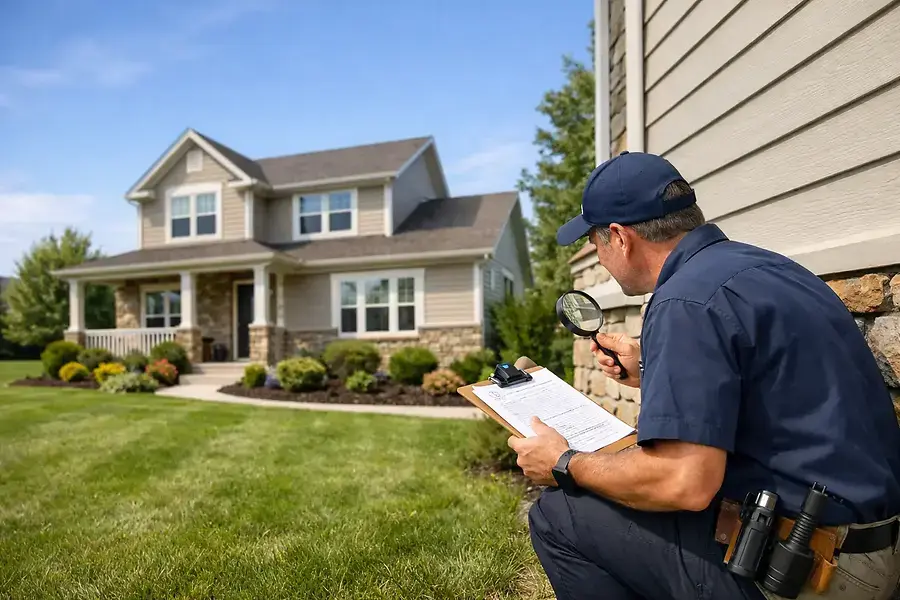
Introduction: Why Property Evaluation Matters for Buyers and Sellers
Whether you're purchasing your dream home or selling a property, understanding how to evaluate residential real estate is one of the most critical skills you can develop. A property's true market value extends far beyond its listing price—it encompasses the condition of its structure, the functionality of its systems, and how it compares to similar homes in your area. Making an informed decision about property value can save you thousands of dollars and help you avoid costly mistakes.
For buyers, a thorough evaluation protects your investment and reveals potential hidden costs. For sellers, understanding your property's true condition and market position ensures you price competitively and attract serious buyers. This comprehensive guide will walk you through the essential indicators that determine whether a home is truly worth your investment.
Understanding Structural and System Assessments
The Foundation: Your Home's Most Critical Component
The foundation is the literal and financial foundation of any residential property. A compromised foundation can lead to exponential repair costs and structural instability. When evaluating a property, look for these warning signs:
- Visible cracks in the foundation or basement walls
- Uneven or sloping floors throughout the home
- Doors and windows that stick or won't close properly
- Water seepage or moisture in the basement or crawl space
- Gaps between walls and the foundation
A professional foundation inspection can cost between $300-$800 but is invaluable for identifying issues early. Never skip this assessment when evaluating a property.
Roof Condition and Longevity
The roof protects everything beneath it, making its condition paramount. Most residential roofs last 20-25 years, depending on materials and climate. When assessing a roof, consider:
- Age of the roof and remaining lifespan
- Missing, cracked, or curling shingles
- Sagging areas or visible structural damage
- Proper ventilation and attic condition
- Evidence of previous repairs or patches
A new roof can cost $8,000-$25,000 or more, so understanding the roof's current state directly impacts your property valuation.
Electrical, Plumbing, and HVAC Systems
These three systems are the lifeblood of modern homes. Outdated or failing systems can be expensive to replace and pose safety risks. Key evaluation points include:
- Electrical: Updated panels, grounded outlets, and no signs of overheating or fire hazards
- Plumbing: Water pressure consistency, no leaks, and modern piping materials (avoiding outdated galvanized or polybutylene pipes)
- HVAC: Efficient heating and cooling systems with regular maintenance records
A full system replacement can easily exceed $15,000-$30,000, making these assessments crucial for accurate property valuation.
Interior and Exterior Condition
Beyond major systems, evaluate the overall condition of the property:
- Wall and ceiling integrity (water damage, mold, cracks)
- Window and door functionality and weatherproofing
- Flooring condition and potential replacement costs
- Kitchen and bathroom fixtures and their age
- Exterior siding, paint, and landscaping maintenance
- Deck or patio structural integrity
These elements contribute to both the aesthetic appeal and the functional value of a property.
Market Comparables and Pricing Your Property Correctly
What Are Comparable Properties?
Comparable properties, or "comps," are recently sold homes in your area with similar characteristics. They provide the most reliable benchmark for determining fair market value. Understanding how to use comps effectively is essential for both buyers and sellers.
Key Factors When Selecting Comparables
Not all similar homes are equally comparable. Focus on properties that match these criteria:
- Location within the same neighborhood or subdivision
- Similar square footage (within 10-15%)
- Same number of bedrooms and bathrooms
- Similar age and construction quality
- Comparable lot size and features
- Sold within the last 3-6 months
Typically, you'll want to analyze 3-5 strong comparables to establish a reliable price range.
Adjusting for Differences
Perfect matches rarely exist. When comparing properties, adjust for significant differences:
If a comparable property sold for $450,000 but has an updated kitchen worth $25,000 more than your property, you might adjust that comp down to $425,000 for valuation purposes.
Common adjustment factors include:
- Kitchen and bathroom upgrades
- Garage or parking availability
- Lot size and outdoor features
- Recent renovations or repairs
- Energy efficiency improvements
Market Conditions and Timing
Market conditions significantly impact property values. In a buyer's market with more inventory, prices tend to be lower. In a seller's market with limited inventory, prices rise. Understanding current market trends in your area helps contextualize comparable sales and predict future value trends.
Conclusion: Making Confident Real Estate Decisions
Evaluating residential property condition and true market value requires a systematic approach combining physical assessment, professional inspections, and market analysis. By mastering these key indicators, you position yourself to make informed, confident decisions whether buying or selling.
Remember that property evaluation is not a one-time event—it's an ongoing process. Stay informed about your local market, maintain your property to preserve value, and don't hesitate to invest in professional inspections. The knowledge you gain from thorough evaluation will pay dividends throughout your real estate journey.
Your home is likely your largest financial investment. Taking time to properly evaluate its condition and market value isn't just smart—it's essential.