Evaluating Salem Neighborhoods: A Buyer's Guide to Finding Your Perfect Location
Discover the key factors that help you assess location quality, school districts, and community amenities when choosing where to invest in Salem's residential market.

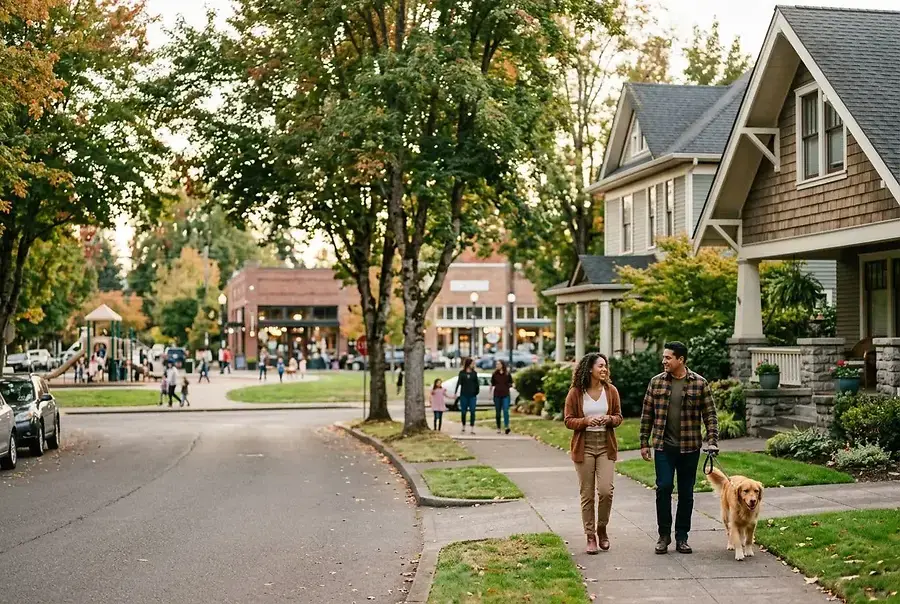
Understanding Salem's Neighborhood Characteristics and Lifestyle Options
Salem offers a diverse range of neighborhoods, each with its own unique character and appeal. Before diving into specific areas, it's essential to understand what makes each neighborhood distinct. Whether you're seeking a vibrant urban environment, a quiet suburban setting, or something in between, Salem has options to match your lifestyle preferences.
Identifying Your Lifestyle Priorities
Start by asking yourself what matters most in your daily life. Do you value walkability and proximity to restaurants and entertainment? Are you looking for spacious yards and family-friendly parks? Understanding your lifestyle needs will help narrow down which neighborhoods align with your vision.
- Urban Neighborhoods: Close to downtown amenities, cultural attractions, and dining options
- Suburban Communities: Larger homes, quiet streets, and family-oriented atmospheres
- Mixed-Use Areas: Blend of residential comfort with convenient local services
Each neighborhood in Salem carries its own personality. Some areas are known for historic charm and established trees, while others feature newer construction and modern infrastructure. Take time to visit neighborhoods during different times of day to get a genuine feel for the community.
Evaluating Schools, Safety, and Local Amenities in Your Target Area
For many homebuyers, schools and safety are paramount considerations. These factors significantly impact both your quality of life and your property's long-term value.
School District Quality and Performance
Research school ratings, test scores, and graduation rates for schools in your target neighborhood. Connect with local educators and parents to understand the school culture and community involvement. Many neighborhoods in Salem are served by highly-rated school districts, making them attractive to families.
Beyond academics, consider extracurricular programs, special education services, and school facilities. Visit schools in person when possible to assess the learning environment and speak with administrators about their vision for student success.
Safety and Crime Statistics
Safety is a fundamental concern for any homebuyer. Review crime statistics and police reports for neighborhoods you're considering. Look for trends over time rather than focusing on single incidents. Speak with current residents about their sense of security and community policing efforts.
A safe neighborhood isn't just about statistics—it's about community engagement, neighborhood watch programs, and residents who care about their surroundings.
Local Amenities and Services
Evaluate the availability of essential services and recreational opportunities in your target area:
- Grocery stores, pharmacies, and healthcare facilities
- Parks, trails, and recreational centers
- Libraries, community centers, and cultural venues
- Public transportation options and commute times
- Shopping districts and dining establishments
The proximity of these amenities to your potential home can significantly impact your daily convenience and overall satisfaction with the neighborhood.
Assessing Property Values and Market Trends by Neighborhood
Understanding the financial landscape of Salem's neighborhoods is crucial for making a sound investment decision.
Analyzing Recent Sales Data
Review recent comparable sales in your target neighborhood to understand current market values. Look at homes similar in size, age, and condition to get an accurate picture of pricing. Track how prices have changed over the past few years to identify trends.
Key metrics to examine:
- Average sale prices and price per square foot
- Days on market and inventory levels
- Price appreciation rates year-over-year
- Ratio of asking price to sale price
Understanding Market Dynamics
Different neighborhoods experience different market conditions. Some areas may be appreciating rapidly due to new development or improved amenities, while others maintain stable, predictable values. Consider whether you're buying in an emerging neighborhood with growth potential or an established area with proven stability.
Talk to local real estate professionals who specialize in Salem neighborhoods. They can provide insights into which areas are experiencing increased buyer interest and which neighborhoods offer the best value for your budget.
Future Development and Growth Potential
Research planned developments, infrastructure improvements, and zoning changes that could impact your neighborhood's future. New schools, commercial centers, or transportation improvements can enhance property values, while unwanted developments might affect desirability.
Making Your Final Decision: Creating a Comprehensive Neighborhood Comparison
After gathering information about potential neighborhoods, it's time to synthesize your findings and make an informed decision.
Building Your Comparison Framework
Create a detailed comparison chart that evaluates each neighborhood across your priority factors. Weight each category based on its importance to you and your family. This systematic approach helps remove emotion from the decision-making process.
Essential comparison categories:
- Lifestyle fit and community character
- School quality and educational opportunities
- Safety and crime statistics
- Proximity to amenities and services
- Current property values and market trends
- Commute times to work or school
- Property tax rates and homeowners association fees
Visiting and Experiencing Neighborhoods
Don't rely solely on data and research. Spend time in neighborhoods you're seriously considering. Walk the streets, visit local businesses, and talk to residents. Attend community events and visit parks during peak hours. This firsthand experience often reveals details that statistics cannot capture.
Consulting with Professionals
Work with a knowledgeable real estate agent who understands Salem's neighborhoods intimately. They can provide valuable insights about community trends, upcoming changes, and neighborhood dynamics. Additionally, consider consulting with a home inspector and mortgage professional to ensure your choice is financially sound.
Final thoughts: Choosing the right neighborhood is one of the most important decisions in the home-buying process. By systematically evaluating lifestyle factors, schools, safety, amenities, and market conditions, you'll be well-equipped to find a neighborhood that meets your needs and represents a solid investment. Take your time, do your research, and trust your instincts about where you want to build your future.


