Evaluating Salt Lake City Homes: A Complete Buyer's Inspection Guide
Master the essential inspection and assessment strategies that protect your investment in Utah's competitive real estate market.

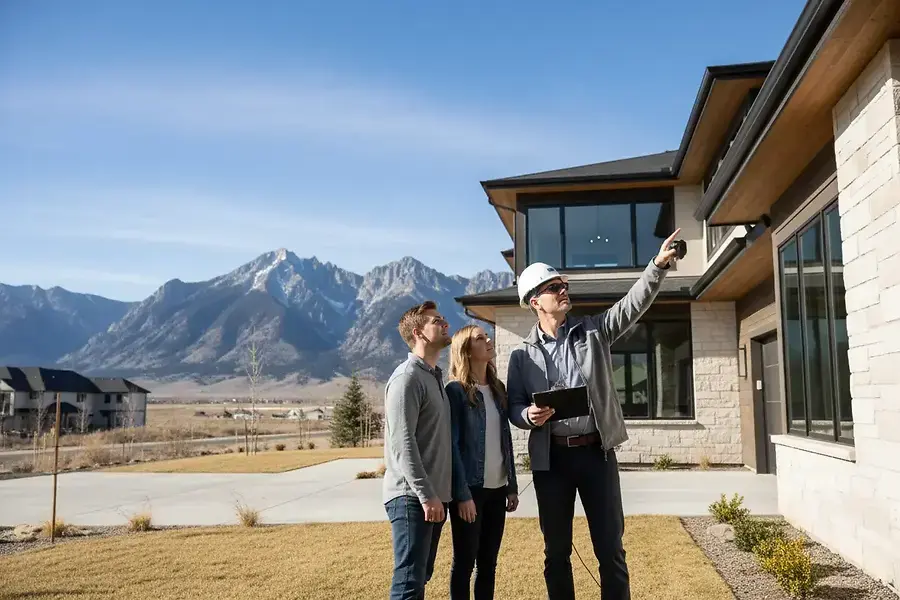
Understanding the Salt Lake City Housing Market and Competitive Landscape
The Salt Lake City real estate market presents unique opportunities and challenges for homebuyers. With steady population growth and increasing demand for residential properties, understanding the local market dynamics is essential before making any purchase decision. The competitive landscape means that informed buyers have a significant advantage when evaluating properties and making offers.
Salt Lake City's market has experienced consistent appreciation, driven by factors such as economic growth, tech industry expansion, and the region's natural appeal. This competitive environment requires buyers to move quickly and decisively, but not at the expense of thorough evaluation. Properties in desirable neighborhoods can receive multiple offers within days, making it crucial to have a solid inspection and assessment strategy in place before you find your ideal home.
The altitude and climate of the Salt Lake Valley also create specific considerations for homeowners. Understanding how these environmental factors affect property conditions, from foundation issues to weather-related wear and tear, will help you make more informed decisions about potential investments.
Key Factors to Inspect: Structure, Systems, and Safety Concerns
Structural Integrity and Foundation Assessment
The foundation is the most critical component of any home. In Salt Lake City, where soil conditions and seasonal changes can impact structural stability, a thorough foundation inspection is non-negotiable. Look for signs of settling, cracks in the foundation walls, or uneven floors that might indicate deeper structural problems.
Common structural concerns in the region include:
- Foundation cracks: Small hairline cracks may be cosmetic, but larger cracks warrant professional evaluation
- Water damage: Basement moisture and water intrusion are common issues in Utah homes
- Soil expansion: Clay soils in the area can expand and contract, affecting foundation stability
- Roof condition: Heavy snow loads and weather exposure require sturdy roofing systems
Mechanical and Electrical Systems
The home's mechanical systems—heating, cooling, plumbing, and electrical—are vital to daily comfort and safety. Utah's cold winters mean that heating systems must be reliable and efficient. Request documentation of recent maintenance and have a professional inspect the HVAC system, water heater, and electrical panel.
Pay special attention to:
- Age and condition of the furnace or heating system
- Plumbing materials and potential for corrosion or leaks
- Electrical panel capacity and safety compliance
- Water heater age and efficiency ratings
Safety and Environmental Concerns
Safety inspections should include testing for radon, a naturally occurring radioactive gas that can accumulate in basements. Utah homes, particularly those in certain areas, may have elevated radon levels. Additionally, older homes may contain asbestos or lead paint, which require professional assessment and proper remediation.
Ensure the home meets current building codes and safety standards, including proper grounding, adequate egress windows, and functioning smoke and carbon monoxide detectors.
Navigating Appraisals, Inspections, and Professional Assessments
The Home Inspection Process
A professional home inspection is your most valuable tool as a buyer. Licensed inspectors in Utah examine the property systematically, documenting the condition of all major systems and components. The inspection typically takes 2-3 hours and results in a detailed report highlighting any issues found.
What to expect during an inspection:
- Exterior evaluation of siding, roofing, gutters, and landscaping
- Interior assessment of walls, ceilings, floors, and doors
- Detailed examination of all mechanical systems
- Testing of plumbing fixtures and water pressure
- Electrical system review and outlet testing
Attend the inspection if possible. This allows you to ask questions directly and gain a better understanding of the property's condition. Many inspectors provide educational insights that help you understand maintenance requirements and potential future costs.
Professional Appraisals and Valuations
Your lender will require an appraisal to ensure the property value supports the loan amount. The appraiser conducts an independent assessment of the home's market value based on comparable sales, condition, and location. While you don't control the appraisal process, understanding how appraisers evaluate properties helps you recognize fair pricing.
If the appraisal comes in lower than your offer price, you'll need to renegotiate with the seller or increase your down payment. This is another reason why thorough pre-offer evaluation is critical.
Specialized Inspections
Beyond the standard home inspection, consider specialized assessments for:
- Pest inspections: Identify termite damage or other pest issues
- Roof inspections: Detailed evaluation by a roofing specialist
- Chimney inspections: Essential if the home has a fireplace
- Septic system inspections: For homes not connected to municipal sewer
- Well water testing: For properties with private wells
Making Confident Offers Based on Property Evaluation Results
Using Inspection Findings in Negotiations
Once you have inspection results, you're in a stronger position to negotiate. If significant issues are discovered, you have several options: request repairs, ask for a credit toward closing costs, renegotiate the purchase price, or walk away if problems are too severe.
A thorough inspection protects your investment and provides leverage in negotiations. Use the findings strategically to ensure you're paying a fair price for the property's actual condition.
Determining Your Maximum Offer Price
Factor inspection and appraisal results into your offer strategy. Calculate the cost of any necessary repairs and deduct that from your maximum offer price. This ensures you don't overpay for a property that requires significant work. In Salt Lake City's competitive market, being prepared with this analysis allows you to make quick, confident decisions.
Building Your Inspection Contingency
Include a professional inspection contingency in your offer. This typically gives you 7-10 days to conduct inspections and decide whether to proceed, renegotiate, or withdraw. This contingency is your safety net in a competitive market, allowing you to make an offer while protecting your interests.
Work closely with your real estate agent and lender throughout this process. They can provide insights into local market conditions, typical repair costs, and negotiation strategies specific to Salt Lake City properties.
Final Considerations
Buying a home in Salt Lake City requires balancing speed with diligence. The competitive market demands quick action, but thorough evaluation ensures you make a sound investment. By understanding the market, conducting comprehensive inspections, and using professional assessments strategically, you'll be equipped to make confident offers that protect your financial interests.
Remember that the lowest price isn't always the best deal. A property that inspects well and meets your needs at a fair market price is a better investment than a cheaper property with hidden problems. Take time to evaluate thoroughly, and you'll find a home that serves you well for years to come.


