Evaluating Tempe Properties: A Guide Before Making Your Offer
Learn the essential steps to assess home condition, value, and investment potential in Tempe's competitive market.

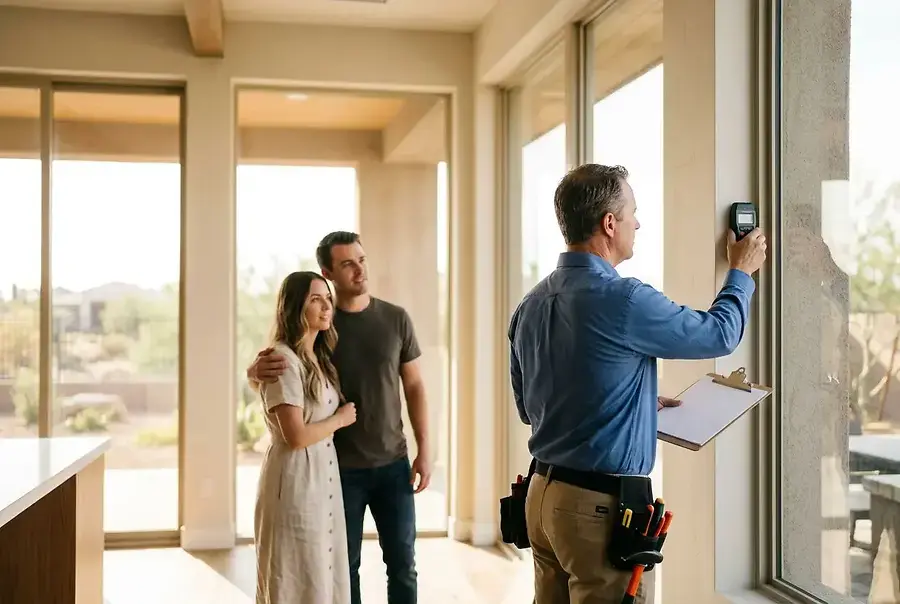
Why Property Evaluation Matters in Tempe
Tempe's real estate market is dynamic and competitive, with properties moving quickly and prices fluctuating based on location, condition, and market demand. Whether you're a first-time homebuyer or an experienced investor, conducting a thorough property evaluation before making an offer is crucial to your success. A comprehensive assessment protects your investment, helps you avoid costly surprises, and ensures you're paying a fair price for your future home.
In a market where properties can receive multiple offers within days, having a clear understanding of a property's true value and condition gives you a significant advantage. This guide walks you through the essential steps to evaluate Tempe properties like a pro.
Key Areas to Inspect: Structural, Systems, and Condition Assessment
Structural Integrity
The foundation is the backbone of any home. Look for signs of settling, cracks in the foundation, or water damage in basements or crawl spaces. In Tempe's climate, pay special attention to how the property handles heat and potential monsoon-related water intrusion. Check the roof condition, as Arizona's intense sun can deteriorate roofing materials faster than in other regions.
Key structural elements to evaluate:
- Foundation cracks or uneven settling
- Roof age and condition
- Exterior walls for damage or deterioration
- Windows and doors for proper sealing
- Gutters and drainage systems
Mechanical and Electrical Systems
The home's systems are expensive to replace, so understanding their age and condition is vital. Request inspection reports for the HVAC system, electrical panel, plumbing, and water heater. In Tempe, where air conditioning is essential, ensure the AC unit is functioning properly and has been well-maintained.
Critical systems to assess:
- Air conditioning and heating systems
- Electrical panel and wiring
- Plumbing and water pressure
- Water heater age and efficiency
- Gas lines and appliances
Interior and Exterior Condition
Walk through the property carefully, noting any signs of water damage, mold, pest infestations, or structural issues. Check for outdated or damaged flooring, walls, and ceilings. Evaluate the kitchen and bathrooms, as these rooms significantly impact a home's value and appeal. Don't forget to inspect the yard, landscaping, and any outdoor structures like pools or patios.
Pro tip: Take photos and videos during your inspection to review later and share with your real estate agent or inspector.
Comparing Market Value: Using Comps and Local Data to Make Informed Decisions
Understanding Comparable Sales (Comps)
Comparable sales, or "comps," are recently sold properties similar to the one you're evaluating. They provide concrete data about what buyers are actually paying for homes in your target area. Look for properties that sold within the last 90 days with similar square footage, age, condition, and location. The closer the match, the more reliable your valuation will be.
What to compare:
- Sale price and price per square foot
- Property size and lot size
- Age and condition of the home
- Number of bedrooms and bathrooms
- Special features (pool, upgraded kitchen, etc.)
- Neighborhood and proximity to amenities
Analyzing Local Market Trends
Tempe's market conditions vary by neighborhood and change over time. Research whether your target area is a buyer's market or seller's market. In a seller's market, homes may be overpriced; in a buyer's market, you may have more negotiating power. Review average days on market, price reductions, and inventory levels to understand current conditions.
Understanding your local market gives you the confidence to make competitive yet fair offers that reflect true property value.
Factoring in Location and Amenities
Location is everything in real estate. Consider proximity to schools, shopping, dining, parks, and employment centers. Evaluate the neighborhood's safety, walkability, and future development plans. Properties near Arizona State University, for example, may have different appreciation potential than those in other Tempe neighborhoods. Premium locations command higher prices, so ensure you're comparing apples to apples.
Making Confident Offers on Tempe Homes
Armed with inspection findings and market data, you're ready to make an informed offer. Use your research to justify your offer price to the seller and your lender. If the inspection reveals needed repairs, you can negotiate credits or price reductions. Document everything—inspection reports, comparable sales, and market analysis—to support your position.
Before submitting your offer, confirm:
- The property's condition aligns with your expectations
- Your offer price reflects fair market value based on comps
- You've accounted for any repairs or upgrades needed
- The property fits your budget and investment goals
- You understand the neighborhood and its future potential
Thorough property evaluation takes time and effort, but it's one of the most important investments you'll make in the home-buying process. By inspecting carefully, analyzing market data, and understanding local conditions, you'll make confident offers that protect your financial interests and lead to successful real estate transactions in Tempe's competitive market.