Evaluating West Michigan Neighborhoods: A Buyer's Guide to Finding the Right Community
Essential factors every homebuyer should assess before choosing their next neighborhood in Ada, Grand Rapids, and the Upper Peninsula.

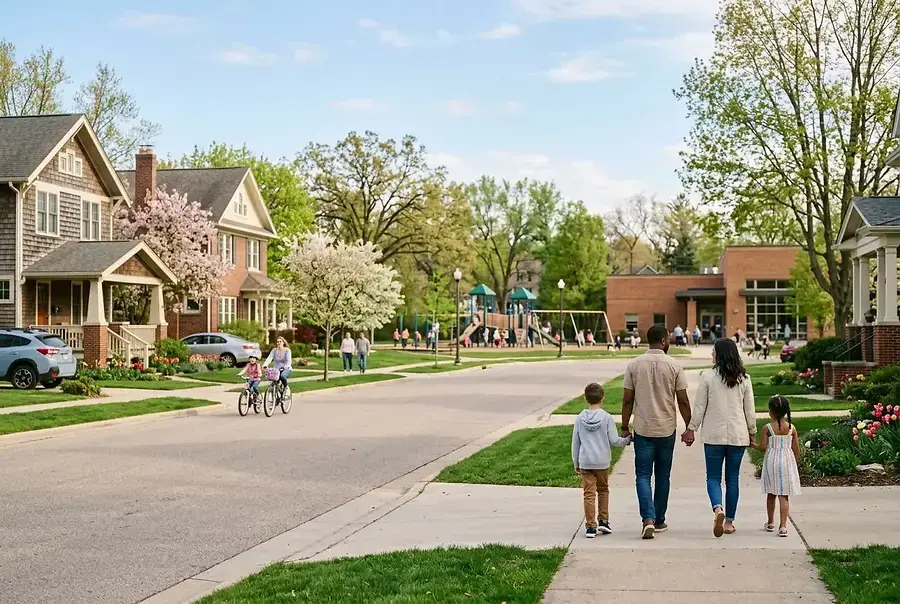
Understanding Key Neighborhood Metrics
Choosing the right neighborhood is one of the most important decisions a homebuyer can make. Beyond the house itself, the community you select will shape your daily life, influence your property's future value, and determine your quality of life for years to come. West Michigan offers diverse neighborhoods, each with unique characteristics and advantages.
Before making your decision, it's essential to understand the key metrics that define a neighborhood's health and desirability. These metrics include population density, demographic trends, median household income, and employment opportunities. Take time to research how neighborhoods have evolved over the past several years and where they're headed.
Demographic and Economic Indicators
Start by examining the demographic composition of your potential neighborhood. Understanding the age distribution, family structures, and income levels will help you determine if the community aligns with your lifestyle. Additionally, look at employment opportunities in the area and proximity to major employers. West Michigan's economy is diverse, with strong sectors in manufacturing, healthcare, and technology.
Consider the neighborhood's economic trajectory. Are property values increasing? Is new development happening? These signs indicate a healthy, growing community that may offer better long-term investment potential.
Assessing Schools, Safety, and Community Amenities
Educational Excellence
For families with children, school quality is often the primary neighborhood consideration. Research school ratings, test scores, and graduation rates through available educational databases. Visit schools in person when possible to get a feel for the facilities and community involvement. Even if you don't have children, strong schools typically correlate with higher property values and neighborhood stability.
Safety and Crime Statistics
Safety should never be compromised. Review crime statistics for your potential neighborhood, including violent crime rates, property crime rates, and trends over time. Contact local police departments for community policing information and neighborhood watch programs. A safe neighborhood provides peace of mind and protects your investment.
Walk through the neighborhood at different times of day. Notice street lighting, maintenance levels, and how residents interact. These observations often reveal more than statistics alone.
Community Amenities and Lifestyle
Evaluate the amenities that matter most to you:
- Parks and recreational facilities
- Shopping and dining options
- Healthcare facilities and hospitals
- Libraries and cultural institutions
- Public transportation access
- Fitness centers and wellness facilities
Consider your commute to work, schools, and places you frequent regularly. A neighborhood with excellent amenities but a grueling commute may not be ideal. Conversely, a quiet residential area near your workplace could be perfect for your lifestyle.
Community Character and Social Fabric
The intangible aspects of a neighborhood matter significantly. Attend community events, visit local coffee shops, and talk to current residents. Does the neighborhood feel welcoming? Are there active community organizations? Strong neighborhoods foster connections among residents and maintain a sense of belonging.
Evaluating Long-Term Property Value Potential
Historical Price Trends
Analyze how property values have changed over the past 5-10 years in your target neighborhood. While past performance doesn't guarantee future results, consistent appreciation indicates a desirable community. Compare appreciation rates across different West Michigan neighborhoods to identify areas with strong growth potential.
Development and Infrastructure Plans
Research upcoming development projects, infrastructure improvements, and zoning changes. New commercial developments, improved roads, or transit expansions can significantly boost property values. Contact your local city planning department to learn about future projects that may impact your neighborhood.
Market Inventory and Days on Market
Neighborhoods where homes sell quickly typically indicate strong demand and healthy appreciation potential. Conversely, neighborhoods with high inventory and long selling times may suggest weaker demand. Work with a local real estate agent who understands market dynamics in specific neighborhoods.
Rental Market Strength
Even if you plan to live in your home long-term, a strong rental market indicates neighborhood desirability. This matters for future resale value and provides flexibility if your circumstances change. Areas with healthy rental demand typically maintain stable property values.
Making Your Final Neighborhood Decision
Create a Neighborhood Scorecard
Develop a weighted scoring system based on your priorities. List the factors most important to you—whether schools, safety, amenities, or investment potential—and rate each neighborhood accordingly. This systematic approach helps remove emotion from the decision and ensures you're comparing neighborhoods objectively.
Visit Multiple Times
Never make a neighborhood decision based on a single visit. Return at different times of day and different seasons. Experience rush hour traffic, weekend activity levels, and how the neighborhood changes throughout the year. This repeated exposure reveals aspects you might miss initially.
Talk to Current Residents
Current residents are invaluable resources. Ask about their experiences, what they love about the neighborhood, and any challenges they've faced. Most people are happy to share honest perspectives about their communities. Their insights often reveal details that research alone cannot provide.
Consider Your Future
Think beyond your immediate needs. Will this neighborhood suit you in 5, 10, or 20 years? Consider potential life changes—growing families, career shifts, or retirement plans. Choosing a neighborhood with flexibility and broad appeal ensures your investment remains sound regardless of how your circumstances evolve.
Trust Your Instincts
After analyzing metrics and visiting neighborhoods, pay attention to how you feel in each community. Do you envision yourself living there? Can you imagine building a life in this neighborhood? Sometimes the best decision combines data-driven analysis with intuitive comfort.
The right neighborhood isn't just about the house—it's about the life you'll build within that community.
West Michigan offers exceptional neighborhoods with distinct personalities and advantages. By thoroughly evaluating key metrics, assessing schools and safety, analyzing property value potential, and trusting your instincts, you'll find a community that truly feels like home. Take your time with this important decision, and you'll enjoy the rewards for years to come.


