Everett Home Inspection Essentials: What Buyers Need to Know
A comprehensive guide to understanding home inspections and protecting your investment in Everett's residential market.

Introduction: Why Home Inspections Matter in Everett
Purchasing a home is one of the most significant financial decisions you'll make. In Everett's competitive real estate market, a professional home inspection serves as your safeguard against costly surprises after closing. A thorough inspection provides an objective assessment of the property's condition, helping you understand exactly what you're investing in.
Home inspections are not just a formality—they're a critical step that can save you thousands of dollars in unexpected repairs. Whether you're a first-time buyer or an experienced investor, understanding the inspection process empowers you to negotiate better terms and make confident purchasing decisions.
What to Expect During a Professional Home Inspection
The Inspection Timeline and Process
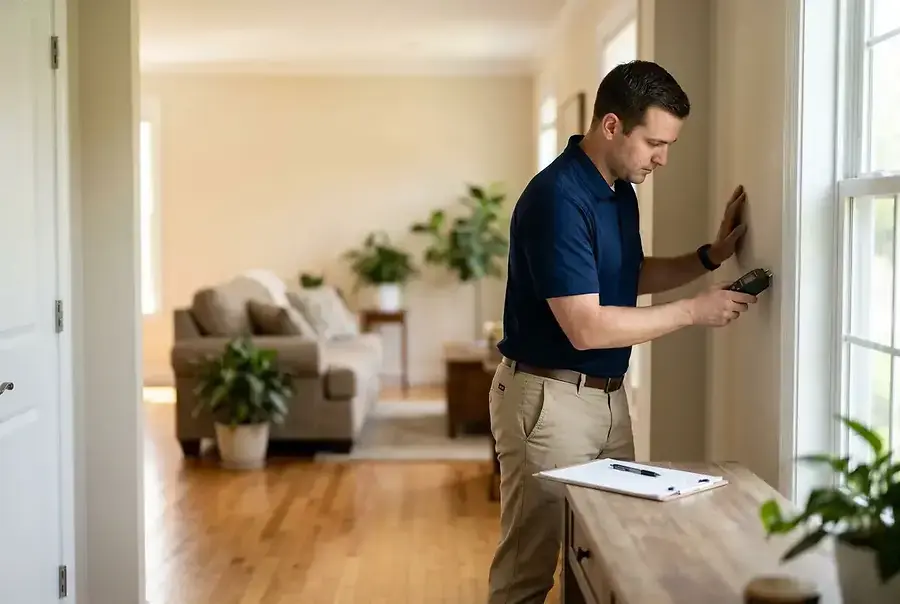
A typical home inspection in Everett takes between two to four hours, depending on the property's size and age. The inspector will systematically examine both the interior and exterior of the home, creating a detailed report of their findings.
Key Areas Inspected
- Structural Components: Foundation, walls, roof, and overall structural integrity
- Roofing System: Condition, age, and potential leaks or damage
- Plumbing: Water pressure, drainage, pipe conditions, and fixture functionality
- Electrical Systems: Panel condition, wiring safety, and outlet functionality
- HVAC Systems: Heating, ventilation, and air conditioning performance and maintenance history
- Insulation and Ventilation: Energy efficiency and moisture control
- Windows and Doors: Sealing, operation, and weatherproofing
- Appliances: Functionality of included appliances and their remaining lifespan
Your Role During the Inspection
As the buyer, you're encouraged to walk through the inspection with the inspector. This is your opportunity to ask questions, understand the property's condition, and learn about maintenance requirements. Take notes and request clarification on any concerns that arise during the walkthrough.
Common Issues Found in Everett Homes and How to Address Them
Moisture and Water Damage
Everett's climate can contribute to moisture-related issues in homes. Inspectors frequently identify water stains, mold growth, and foundation moisture problems. Address these issues immediately by ensuring proper drainage, sealing cracks, and improving ventilation. Ignoring moisture problems can lead to structural damage and health concerns.
Aging Roofing Systems
Many Everett homes have roofs that are nearing the end of their lifespan. If your inspection reveals significant wear, missing shingles, or deterioration, budget for a roof replacement or repair. A new roof is a substantial investment but essential for protecting your home's interior.
Outdated Electrical Systems
Older homes in Everett may have outdated electrical panels or wiring that doesn't meet current safety standards. This is a serious concern that should be addressed by a licensed electrician. Upgrading electrical systems ensures safety and supports modern appliance usage.
Plumbing Concerns
Corroded pipes, low water pressure, and aging fixtures are common in established neighborhoods. While some issues are cosmetic, others require immediate attention. Galvanized pipes, in particular, may need replacement to ensure water quality and pressure.
HVAC System Age
Heating and cooling systems typically last 15-20 years. If your inspection reveals an aging system, factor replacement costs into your offer or negotiate repairs with the seller before closing.
Red Flags and Next Steps After Your Inspection Report
Major Red Flags to Take Seriously
Structural issues, foundation problems, mold infestations, and outdated electrical systems are serious concerns that require professional evaluation and can significantly impact your decision to proceed with the purchase.
What to Do With Your Inspection Report
Step 1: Review Thoroughly - Read the entire report carefully and highlight items that concern you. Don't hesitate to ask the inspector for clarification on technical terms or findings.
Step 2: Get Second Opinions - For major issues, consider hiring specialists. A structural engineer, electrician, or plumber can provide detailed assessments and repair estimates.
Step 3: Negotiate or Renegotiate - Use the inspection report as leverage in negotiations. You can request the seller make repairs, provide credits for repairs, or reduce the purchase price to account for necessary work.
Step 4: Make Your Decision - Decide whether to proceed with the purchase, request repairs, or walk away. Remember, you typically have a contingency period to make this decision.
Understanding Inspection Contingencies
Most purchase agreements include an inspection contingency, giving you a set period (usually 7-10 days) to conduct an inspection and decide how to proceed. This protection is invaluable—use it wisely.
Conclusion: Making Informed Decisions with Inspection Results
A home inspection is an investment in your peace of mind and financial security. In Everett's real estate market, understanding what inspectors look for and how to interpret their findings puts you in control of your purchase decision.
Don't view inspection issues as deal-breakers—view them as opportunities to negotiate better terms or make informed decisions about your investment. Work with experienced real estate professionals who can guide you through the inspection process and help you understand the implications of any findings.
By taking home inspections seriously and acting on the results, you're protecting your investment and ensuring that your new Everett home is a sound financial decision for years to come.


