Fairfax Home Inspection Essentials: What Buyers Need to Know
Discover the critical inspection points that can save you thousands and prevent costly surprises in your Fairfax home purchase.

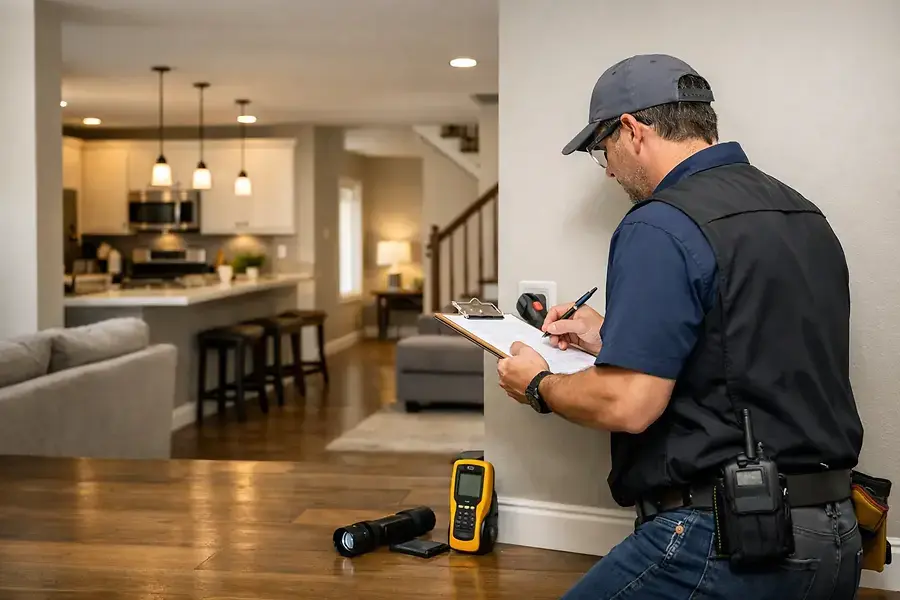
Why Home Inspections Matter in the Fairfax Market
Purchasing a home is one of the most significant financial decisions you'll make, and in the competitive Fairfax real estate market, a thorough home inspection can be your greatest asset. A professional home inspection provides an objective evaluation of a property's condition, revealing potential issues before you commit to the purchase. This critical step protects your investment and gives you the leverage to negotiate repairs or price adjustments.
Many buyers underestimate the importance of inspections, viewing them as an optional expense. However, skipping this step can lead to discovering expensive problems after closing—problems that become your responsibility. In Fairfax, where homes range from historic properties to modern constructions, each type presents unique inspection considerations that require expert attention.
Key Areas Inspectors Examine in Fairfax Homes
Structural Integrity and Foundation
The foundation is the backbone of any home. Inspectors carefully examine the foundation for cracks, settling, or water damage. In Fairfax, where soil composition varies, foundation issues can develop over time. Look for signs of:
- Horizontal or diagonal cracks in the foundation
- Water stains or moisture in basements
- Uneven floors or doors that don't close properly
- Gaps between walls and the foundation
Roofing and Exterior
Your roof protects everything beneath it, making its condition paramount. Inspectors evaluate roof age, material condition, and proper installation. They'll check for:
- Missing, cracked, or curling shingles
- Proper ventilation and flashing
- Signs of leaks or water damage in attics
- Gutter and downspout functionality
The exterior also includes siding, windows, and doors. Fairfax's weather patterns demand attention to weatherproofing and proper sealing to prevent moisture intrusion.
Plumbing Systems
Water damage is one of the costliest issues homeowners face. Inspectors test water pressure, check for leaks, and evaluate the age and condition of pipes. Key inspection points include:
- Water heater age and functionality
- Visible pipe corrosion or leaks
- Drain functionality throughout the home
- Septic system condition (if applicable)
Electrical Systems
Electrical safety is non-negotiable. Inspectors verify that the electrical panel is properly sized, check for outdated wiring, and ensure outlets are grounded. They look for:
- Adequate circuit capacity for modern living
- Presence of GFCI outlets in wet areas
- Signs of overheating or burnt outlets
- Proper grounding and bonding
HVAC Systems
Heating and cooling systems are essential for Fairfax comfort. Inspectors evaluate furnace and air conditioning unit age, efficiency, and maintenance history. They assess:
- System age and remaining lifespan
- Proper airflow and ductwork condition
- Thermostat functionality
- Regular maintenance records
Interior Components
Beyond major systems, inspectors examine walls, ceilings, floors, and insulation. They look for water damage, pest evidence, and proper insulation levels. Attic inspections reveal ventilation adequacy and potential moisture issues.
Red Flags and How to Respond to Inspection Results
Understanding the Inspection Report
A comprehensive inspection report categorizes findings by severity. Major issues require immediate attention and can significantly impact your offer. Minor issues are typically maintenance items. Understanding this distinction helps you prioritize concerns.
Common Red Flags in Fairfax Homes
Foundation problems are serious and expensive. If cracks are wider than 1/8 inch or show signs of active movement, consult a structural engineer before proceeding. Roof damage requiring replacement can cost $10,000 or more—a major negotiating point. Outdated electrical systems may not support modern appliances and pose safety risks.
Plumbing issues like galvanized pipes or polybutylene plumbing are common in older Fairfax homes and often require replacement. HVAC systems nearing the end of their lifespan (typically 15-20 years) will soon need replacement, an expense to factor into your decision.
Negotiation Strategies
Once you receive the inspection report, you have several options:
- Request repairs: Ask the seller to fix major issues before closing
- Request credits: Negotiate a price reduction to cover repair costs yourself
- Walk away: If issues are extensive, you may choose to find another property
- Accept as-is: For minor issues, you might proceed without requests
In Fairfax's competitive market, be strategic. Major issues give you legitimate negotiating power, while minor maintenance items rarely justify renegotiation.
Getting a Second Opinion
For significant findings, consider hiring a specialist. A structural engineer can assess foundation concerns, a roofer can evaluate roof condition, and an electrician can review electrical systems. These expert opinions strengthen your negotiating position and provide peace of mind.
Using Inspection Insights to Make Confident Offers
A thorough home inspection transforms you from a hopeful buyer into an informed one. Armed with detailed knowledge of a property's condition, you can make offers that reflect reality rather than emotion. In Fairfax's dynamic market, this knowledge is invaluable.
Use inspection results to:
- Establish a realistic offer price based on actual condition
- Identify properties that align with your budget and tolerance for repairs
- Plan for future maintenance and budgeting
- Avoid costly surprises after closing
Remember, no home is perfect. The goal isn't to find a flawless property but to understand what you're buying and make an informed decision. A home with known issues you can address is often preferable to one with hidden problems discovered later.
By prioritizing a professional home inspection and carefully reviewing the results, you're taking control of your Fairfax home purchase. This due diligence protects your investment, supports smart negotiations, and sets the foundation for confident homeownership. Don't let inspection costs deter you—they're an investment that typically saves far more than they cost.


