Fargo Home Selling: Pricing Strategy for Competitive Markets
Learn how to price your Fargo home strategically to attract qualified buyers and maximize your return in today's competitive real estate landscape.

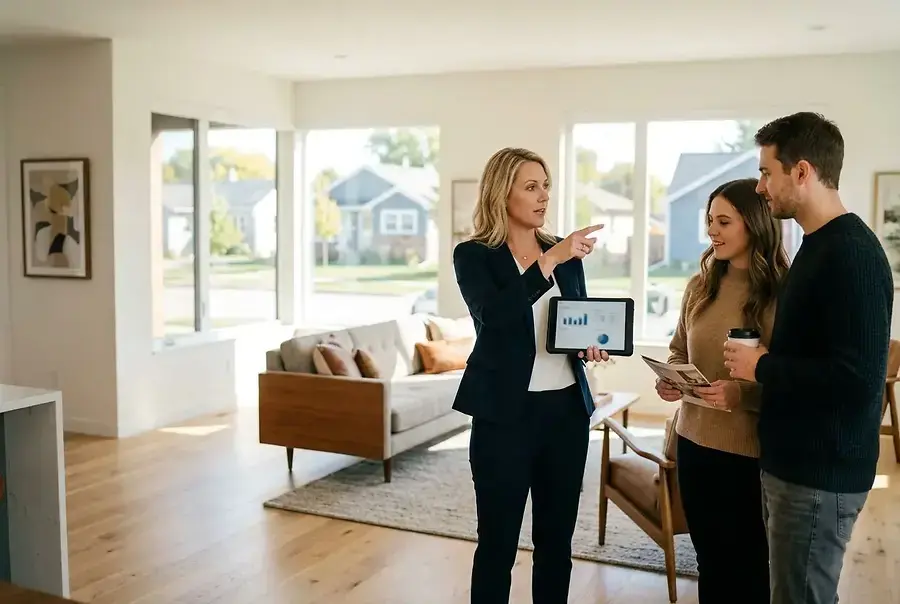
Understanding Fargo's Current Market Dynamics and Comparable Sales
The Fargo real estate market is dynamic and ever-evolving, making it essential for sellers to understand the current landscape before listing their homes. Comparable sales analysis is your first step in determining where your property stands in relation to similar homes in your neighborhood.
Start by researching recent sales of homes similar to yours in terms of size, age, condition, and location. Look at homes that sold within the last three to six months, as this data provides the most accurate picture of current market conditions. Pay attention to:
- Square footage and lot size
- Number of bedrooms and bathrooms
- Condition and age of the property
- Special features and upgrades
- Days on market before sale
- Final sale price versus listing price
Understanding whether Fargo's market is favoring buyers or sellers will significantly influence your pricing strategy. In a seller's market, homes move quickly and may sell above asking price. In a buyer's market, you'll need to be more competitive with your pricing to attract interest.
Determining Your Home's True Value: Professional Appraisal vs. Market Analysis
The Role of Professional Appraisals
A professional appraisal provides an unbiased, third-party assessment of your home's value. Appraisers use standardized methods to evaluate your property, considering factors like structural integrity, systems functionality, and market conditions. This is particularly valuable because appraisers are trained to identify issues that might affect value.
However, appraisals are typically ordered by lenders for financing purposes and may not reflect the true market value in a competitive landscape. Appraisals tend to be more conservative and may lag behind rapidly changing market conditions.
Leveraging Comparative Market Analysis
A Comparative Market Analysis (CMA) conducted by a real estate professional offers a more dynamic view of your home's value. Real estate agents analyze recent sales, pending listings, and active listings to determine what buyers are actually willing to pay for homes like yours.
The CMA is often more reflective of current market conditions and buyer sentiment. It helps you understand:
- What similar homes are currently listed for
- What buyers actually paid for comparable properties
- How quickly homes are selling in your area
- What features command premium prices
- Where your home fits in the competitive landscape
Pro tip: Use both appraisals and CMAs together for a comprehensive understanding of your home's value.
Pricing Psychology: How Strategic Pricing Attracts More Offers
The Power of Psychological Pricing
Strategic pricing goes beyond simply matching comparable sales. Psychological pricing leverages buyer behavior to make your listing more attractive. One powerful technique is charm pricing—pricing just below a round number.
For example, pricing at $349,900 instead of $350,000 creates a psychological perception of better value, even though the difference is minimal. Buyers often focus on the first digit, making a $349,900 home feel significantly less expensive than a $350,000 home.
Competitive Positioning Through Pricing
Your pricing strategy should position your home competitively within the market. Consider these approaches:
- Aggressive pricing: Price slightly below market value to generate multiple offers and create bidding competition
- Market pricing: Price at or very close to comparable sales to attract serious buyers
- Premium pricing: Price above comparables only if your home has unique features or superior condition
In competitive markets, homes priced slightly below market value often generate more interest, leading to multiple offers and potentially higher final sale prices. This strategy works because it attracts more qualified buyers and creates urgency.
The Impact of First Impressions
Your listing price creates the first impression for potential buyers.
A well-priced home attracts more showings, more offers, and ultimately, better results.Overpricing can discourage buyers from even scheduling a showing, while underpricing leaves money on the table.
Adjusting Your Price Strategy Based on Market Feedback and Buyer Response
Monitoring Market Response
Once your home is listed, pay close attention to buyer response. Track key metrics including:
- Number of showings per week
- Feedback from real estate agents and buyers
- Time on market compared to similar homes
- Number of offers received
- Offer prices relative to your asking price
If your home is receiving multiple offers quickly, your pricing may be too low. If showings are sparse or offers are significantly below asking price, your home may be overpriced.
Making Strategic Price Adjustments
Be prepared to adjust your pricing strategy based on real market feedback. Waiting too long to adjust can result in your home becoming stale on the market. Most real estate professionals recommend evaluating your strategy every two to three weeks.
If adjustments are needed, consider:
- Small price reductions (typically $5,000-$10,000) rather than dramatic cuts
- Timing adjustments to coincide with new buyer activity
- Enhancing your listing with better photos or descriptions instead of just lowering price
- Offering incentives like closing cost assistance rather than reducing price
Leveraging Buyer Feedback
Direct feedback from showings is invaluable. If multiple buyers mention the same concern—whether it's price, condition, or layout—take it seriously. This feedback is market intelligence that can guide your pricing and marketing adjustments.
Work closely with your real estate agent to interpret this feedback and determine whether pricing adjustments or other modifications would be more effective.
Conclusion
Pricing your Fargo home strategically requires understanding market dynamics, knowing your home's true value, and being willing to adjust based on buyer response. By combining professional appraisals, comparative market analysis, and psychological pricing principles, you can position your home to attract qualified buyers and maximize your return. Remember, the goal isn't just to sell—it's to sell strategically for the best possible outcome.