Faribault Home Inspection Essentials: What Buyers Need to Know
Discover the critical inspection checklist that protects your investment and reveals hidden issues before you buy.

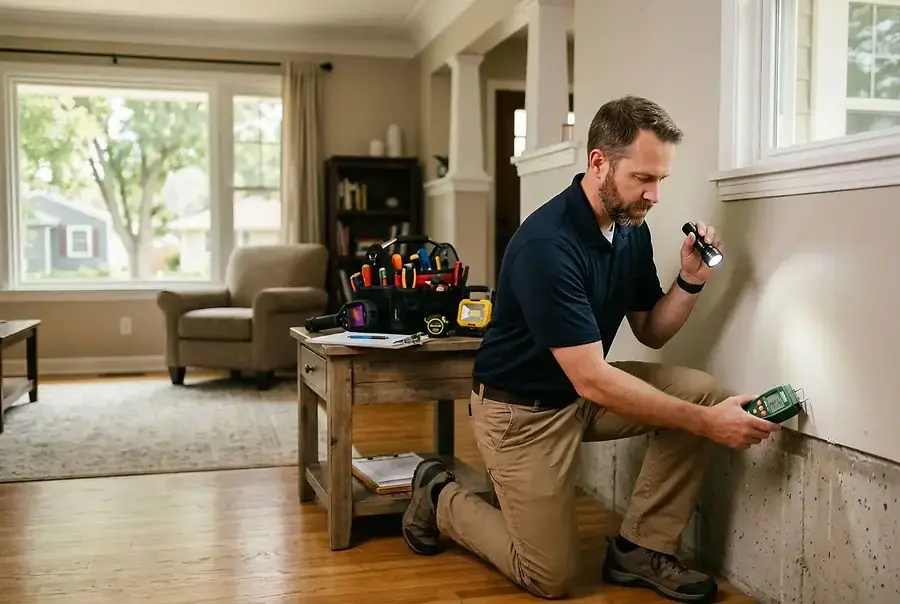
Understanding the Home Inspection Process and Why It Matters
Purchasing a home is one of the most significant investments you'll make in your lifetime. A professional home inspection is your safeguard against costly surprises and hidden defects that could compromise your safety and financial security. In Faribault, as in any real estate market, understanding the inspection process is crucial for making informed decisions.
A home inspection typically takes two to three hours and involves a thorough examination of the property's structural integrity, mechanical systems, and overall condition. Licensed inspectors use specialized tools and their expertise to identify issues that aren't visible to the untrained eye. This comprehensive evaluation provides you with a detailed report that becomes an invaluable tool in your purchasing decision.
The inspection process serves multiple purposes: it protects you from inheriting expensive repairs, gives you leverage in negotiations, and provides peace of mind about your investment. Without a professional inspection, you're essentially buying blind, relying on the seller's disclosures and your own observations—both of which may be incomplete or biased.
Key Areas Inspectors Examine and Red Flags to Watch For
Structural Components
Inspectors begin by evaluating the foundation, walls, and roof structure. Foundation cracks, settling issues, or water damage are serious red flags that could indicate expensive repairs ahead. Look for signs of previous water intrusion, mold, or structural movement in your inspection report.
Roofing and Exterior
The roof is one of your home's most critical protective barriers. Inspectors assess shingle condition, flashing integrity, and overall lifespan. A roof nearing the end of its life could mean a replacement cost of $10,000 or more. The exterior also includes siding, windows, doors, and drainage systems—all essential for protecting your home from the elements.
Plumbing Systems
Water damage is one of the most expensive issues homeowners face. Inspectors check for:
- Leaks in visible pipes and fixtures
- Water pressure and flow issues
- Outdated or problematic materials (like polybutylene pipes)
- Proper drainage and grading around the foundation
- Septic system functionality (if applicable)
Electrical Systems
Outdated or unsafe electrical systems pose serious fire and shock hazards. Inspectors verify that the electrical panel is properly sized, check for adequate grounding, and identify any code violations. Knob-and-tube wiring or aluminum wiring are particular concerns in older homes.
HVAC and Mechanical Systems
Heating, cooling, and ventilation systems are expensive to replace. Inspectors test these systems and assess their age and condition. An aging furnace or air conditioning unit may need replacement within a few years, which is important information for budgeting.
Interior Conditions
Inspectors examine walls, ceilings, floors, and insulation for signs of damage, moisture, or pest infestation. They also check:
- Presence and adequacy of insulation
- Evidence of water stains or mold
- Functionality of doors and windows
- Condition of flooring materials
- Signs of pest activity or damage
Common Red Flags
Be particularly concerned if your inspection report mentions:
- Water damage or mold – indicates moisture problems that could worsen
- Structural issues – foundation cracks, sagging, or settling
- Outdated electrical or plumbing – safety hazards and potential code violations
- Pest infestation – termites, rodents, or other damaging creatures
- Roof issues – leaks, missing shingles, or nearing end of life
- HVAC system failures – expensive replacements needed soon
How to Use Inspection Reports to Negotiate Better Offers
Understanding Your Report
A comprehensive inspection report categorizes findings by severity. Major issues are those that affect safety or require immediate attention, while minor issues are cosmetic or can wait. Understanding this distinction helps you prioritize your concerns and negotiations.
Strategic Negotiation Tactics
Your inspection report is a powerful negotiation tool. You have several options:
- Request repairs: Ask the seller to fix major issues before closing
- Request credits: Negotiate a reduction in the purchase price to cover repairs you'll handle
- Request inspections: For major issues, ask for specialized inspections (like structural or pest)
- Renegotiate the offer: Use findings to justify a lower purchase price
- Walk away: If issues are too extensive, you may decide the property isn't worth the investment
Prioritizing Your Concerns
Focus negotiations on major structural, safety, and system issues rather than cosmetic problems. A fresh coat of paint is inexpensive; foundation repair is not. Sellers are often more willing to negotiate on significant issues that affect the home's integrity and safety.
Get estimates from contractors for major repairs before negotiating. Armed with specific numbers, you'll have concrete justification for your requests. This professional approach strengthens your negotiating position considerably.
Timing Your Negotiations
Inspection contingencies typically allow 7-10 days for you to review the report and negotiate. Act promptly but thoughtfully during this window. Delayed responses may weaken your negotiating position or cause you to lose the opportunity entirely.
Conclusion: Making Informed Decisions with Professional Guidance
A professional home inspection is an investment in your peace of mind and financial security. The inspection report transforms you from a hopeful buyer into an informed one, equipped with the knowledge needed to make smart decisions about one of life's largest purchases.
Remember that inspectors identify issues—they don't make your decision for you. Your role is to understand the findings, assess their significance, and determine whether the property represents a sound investment. When major issues arise, don't hesitate to negotiate, request additional inspections, or walk away if the property doesn't meet your needs and budget.
By understanding the inspection process, knowing what to look for, and using your report strategically, you'll navigate the Faribault real estate market with confidence. Your future self—and your wallet—will thank you for taking this crucial step in the home-buying journey.