Federal Way Home Values: Understanding Market Trends and Pricing
Understand current market conditions, inventory levels, and property appreciation patterns to make informed decisions about buying or selling in Federal Way.

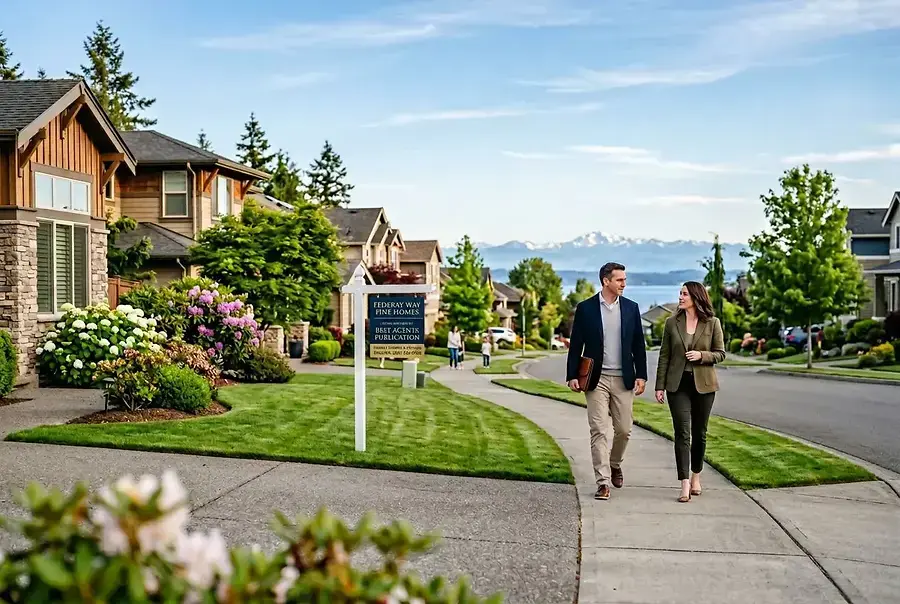
Current Federal Way Market Overview: Inventory, Days on Market, and Pricing Trends
The Federal Way real estate market continues to demonstrate resilience and steady growth, reflecting broader trends in the Pacific Northwest. Understanding the current landscape is essential for anyone considering a real estate transaction in this dynamic community.
Inventory levels in Federal Way have stabilized at moderate levels, creating a balanced market environment that favors neither buyers nor sellers exclusively. The average days on market for residential properties ranges from 25 to 35 days, indicating healthy buyer interest and reasonable market velocity. This timeframe suggests that well-priced properties attract attention quickly, while overpriced homes may linger longer.
Median home prices in Federal Way have experienced consistent appreciation, with properties appreciating at rates that outpace inflation. The market has shown particular strength in the $400,000 to $650,000 price range, where inventory moves most efficiently. Entry-level homes under $350,000 remain competitive, while luxury properties above $1 million represent a smaller but growing segment of the market.
Market Dynamics and Price Movements
Several factors contribute to Federal Way's current pricing environment:
- Interest Rate Environment: Recent mortgage rate fluctuations have influenced buyer purchasing power and market activity levels
- Supply Chain Recovery: Improved availability of building materials has supported new construction, adding to overall inventory
- Regional Migration Patterns: Federal Way continues to attract relocating professionals seeking proximity to Seattle employment centers without urban density
- Infrastructure Development: Ongoing improvements to transportation and local amenities enhance property values
Neighborhood-Specific Value Drivers: What Makes Certain Areas Appreciate Faster
Federal Way's diverse neighborhoods each possess unique characteristics that influence property values and appreciation rates. Understanding these distinctions helps buyers and sellers make strategic decisions.
Waterfront and Water-View Communities
Properties with Puget Sound views or waterfront access command premium pricing, typically 20-35% above comparable inland properties. These neighborhoods benefit from limited supply and consistent demand from buyers seeking lifestyle amenities. Waterfront properties demonstrate the most stable long-term appreciation due to their scarcity and desirability.
Proximity to Employment Centers
Neighborhoods positioned near major employment corridors—particularly those with easy access to Seattle, Tacoma, and Renton—experience stronger appreciation. Properties within a 15-minute commute to significant job centers appreciate faster than those requiring longer commutes. This factor has become increasingly important as remote work flexibility has evolved.
School District Quality
Federal Way's school district reputation significantly impacts property values. Homes in attendance areas for highly-rated elementary and secondary schools command premiums of 10-15% compared to similar homes in lower-rated districts. Families with children prioritize school quality, creating sustained demand in these neighborhoods.
Walkability and Amenities
Neighborhoods with established retail districts, parks, and dining options attract younger professionals and families seeking urban convenience. Areas undergoing revitalization, such as downtown Federal Way, show accelerating appreciation as new amenities come online. Mixed-use developments and pedestrian-friendly streetscapes enhance neighborhood desirability.
Buyer and Seller Advantages in Today's Federal Way Market
Advantages for Buyers
The current market environment offers several benefits for homebuyers:
- Negotiation Leverage: With moderate inventory levels, buyers have more options and greater negotiating power than in previous years
- Diverse Selection: The market includes properties across multiple price points and neighborhoods, accommodating various preferences and budgets
- Realistic Pricing: Homes are generally priced closer to actual market value, reducing the risk of overpaying
- Financing Accessibility: Lenders remain active in the market with competitive loan products available to qualified borrowers
Buyers should focus on properties in neighborhoods with strong fundamentals—good schools, employment proximity, and planned infrastructure improvements—to ensure long-term value retention.
Advantages for Sellers
Sellers in Federal Way benefit from sustained buyer demand and appreciation momentum:
- Strong Buyer Interest: Federal Way's reputation and location continue to attract qualified buyers actively seeking homes
- Appreciation Tailwinds: Properties have appreciated meaningfully, allowing sellers to benefit from market gains
- Multiple Buyer Pools: The market attracts first-time buyers, upgraders, and relocating professionals, expanding potential buyer bases
- Favorable Conditions for Pricing: Sellers can price competitively while still achieving strong results
Sellers should consider listing during peak market seasons and ensure their properties showcase neighborhood strengths and unique features effectively.
Strategic Timing: When to Buy or Sell Based on Local Market Cycles
Understanding Federal Way's Market Seasonality
Federal Way's real estate market follows predictable seasonal patterns that influence activity levels and pricing dynamics. Spring and early summer represent peak selling seasons, with maximum inventory and buyer activity. This period offers sellers the largest audience but also the most competition. Buyers face more limited negotiating power but enjoy the widest selection.
Fall and winter months see reduced inventory and buyer activity, creating a more selective market. Serious buyers remain active during these periods, and sellers face less competition. Properties listed during slower seasons often receive more focused attention from motivated buyers.
Optimal Timing for Buyers
Buyers seeking maximum negotiating leverage should consider purchasing during fall and winter months when inventory is lower and competition among buyers diminishes. However, buyers should also recognize that appreciation potential exists year-round in Federal Way, making timing less critical than finding the right property in the right neighborhood.
First-time buyers should prioritize finding suitable properties over timing the market perfectly. The long-term appreciation potential in Federal Way typically outweighs short-term timing considerations.
Optimal Timing for Sellers
Sellers should list properties when market conditions align with their specific goals. Those seeking maximum exposure and competition among buyers benefit from spring listings. Sellers with unique properties or those in highly desirable neighborhoods may find success listing during any season, as motivated buyers actively search year-round.
The best time to sell is when you're ready and your property is in excellent condition. Federal Way's consistent demand means well-priced homes sell successfully throughout the year.
Market Cycle Considerations
Federal Way's market has demonstrated remarkable stability compared to more volatile regions. Rather than dramatic boom-and-bust cycles, the market experiences gradual appreciation with occasional plateaus. This stability makes Federal Way attractive for long-term homeowners and investors seeking predictable value growth.
Buyers and sellers should focus on fundamental value drivers—location, condition, and neighborhood characteristics—rather than attempting to time short-term market fluctuations. Properties in strong neighborhoods with good schools and employment proximity appreciate consistently regardless of broader market cycles.
Making Your Decision
Whether buying or selling in Federal Way, success depends on understanding your personal timeline, financial situation, and long-term goals. Consult with local real estate professionals who understand neighborhood-specific dynamics and can provide current market data. By combining market knowledge with personal circumstances, you can make informed decisions that align with your real estate objectives and financial goals.