Fenwick Island Home Inspection Checklist: What Buyers Must Know
Discover the critical inspection points that protect your investment in Delaware's premier coastal community.

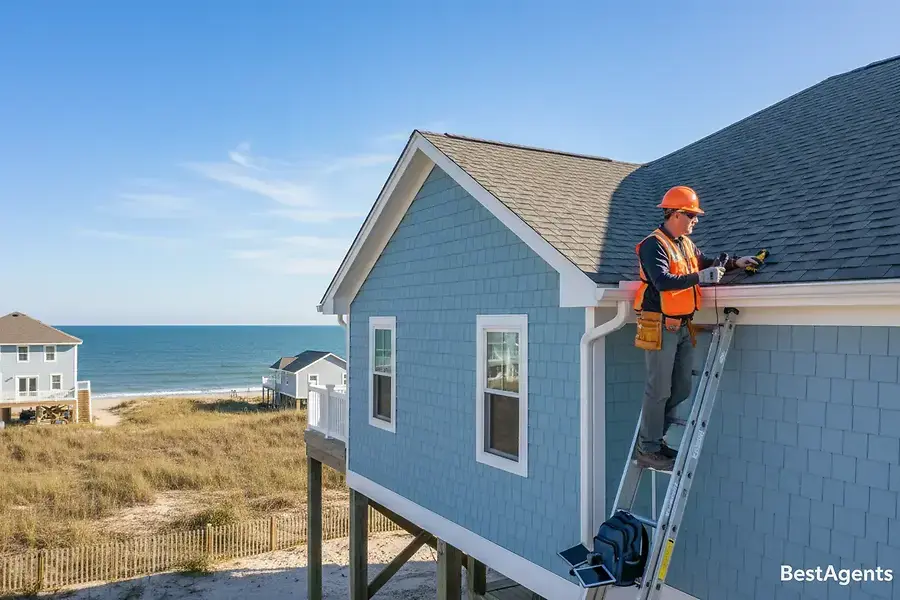
Why Home Inspections Matter in Fenwick Island
Purchasing a home in Fenwick Island is an exciting investment, but it requires careful due diligence. A thorough home inspection is your first line of defense against costly surprises and structural problems. In a coastal community like Fenwick Island, where properties face unique environmental challenges, a comprehensive inspection becomes even more critical.
Home inspections protect your financial investment by identifying issues before you commit to the purchase. Whether you're buying a beachfront property or a home nestled in the residential areas, understanding what inspectors look for can help you make informed decisions and negotiate repairs or price adjustments with confidence.
Essential Structural and System Inspections for Coastal Properties
Foundation and Structural Integrity
The foundation is the backbone of any home. In Fenwick Island, inspectors pay special attention to:
- Pilings and supports: Coastal homes often rest on pilings to accommodate storm surge and flooding. Inspectors examine these for corrosion, settling, and structural damage.
- Cracks and settling: Look for horizontal or diagonal cracks in foundation walls, which may indicate serious structural issues.
- Water intrusion: Check for signs of moisture, efflorescence, or water staining that could compromise structural integrity.
Roofing and Weather Protection
Your roof is your home's primary defense against coastal elements. Critical inspection points include:
- Shingle condition and age—coastal properties typically need roof replacement every 15-20 years due to salt spray and wind exposure
- Flashing around chimneys, vents, and skylights to prevent water leaks
- Gutter systems and proper drainage away from the foundation
- Evidence of previous repairs or patches that may indicate recurring problems
Plumbing and Water Systems
Coastal properties face unique plumbing challenges. Inspectors evaluate:
- Saltwater corrosion: Copper pipes and fixtures corrode faster in coastal environments. Check for green or blue discoloration.
- Water pressure and flow: Test all fixtures to ensure adequate water pressure throughout the home.
- Septic or municipal systems: Verify proper functioning and maintenance records for septic systems common in Delaware coastal areas.
- Water heater condition: Assess age, efficiency, and proper venting.
Electrical Systems
Electrical systems in coastal homes require special scrutiny:
- Panel capacity and condition—ensure the electrical panel can handle modern appliance loads
- Grounding and bonding systems for protection against salt spray corrosion
- GFCI outlets in bathrooms, kitchens, and outdoor areas for safety
- Updated wiring that meets current electrical codes
HVAC and Mechanical Systems
Heating, cooling, and ventilation systems work harder in coastal climates. Inspectors check:
- Age and efficiency of air conditioning units—critical for summer comfort in Delaware
- Proper ventilation to prevent moisture buildup and mold growth
- Maintenance records and service history
- Ductwork condition and proper insulation
Environmental and Weather-Related Considerations for Delaware Homes
Flood Risk and Water Management
Fenwick Island's proximity to the Atlantic Ocean and Delaware Bay makes flood risk a paramount concern. Your inspection should address:
- Flood zone designation: Understand your property's FEMA flood zone classification and insurance requirements.
- Elevation: Properties elevated above base flood elevation offer better protection and lower insurance costs.
- Drainage systems: Proper grading and drainage prevent water accumulation around the foundation.
- Sump pumps and backup systems: Verify functionality and battery backup for power outages.
Salt Spray and Corrosion Damage
Salt spray from the ocean accelerates corrosion of metal components. Inspectors look for:
- Rust on metal railings, gutters, and exterior fixtures
- Deterioration of metal garage doors and hardware
- Corrosion on HVAC units and outdoor equipment
- Paint peeling or coating failure on exterior surfaces
Mold and Moisture Issues
High humidity and salt air create ideal conditions for mold growth. Critical inspection areas include:
- Attic ventilation and moisture levels
- Crawl spaces and basement areas for standing water or dampness
- Window frames and seals for condensation and water intrusion
- HVAC ducts and air handlers for mold growth
Wind and Storm Damage
Atlantic hurricane season brings significant wind exposure. Inspectors assess:
- Window and door frame integrity and proper installation
- Roof attachment and wind resistance rating
- Exterior wall condition and cladding integrity
- Evidence of previous storm damage or repairs
Taking Action: Next Steps After Your Inspection
Review the Inspection Report Thoroughly
Once your inspection is complete, carefully review the detailed report. Don't ignore minor issues—in coastal properties, small problems can escalate quickly. Ask your inspector to clarify any findings you don't understand.
Prioritize Repairs and Replacements
Categorize findings into three groups: critical repairs (safety and structural issues), important repairs (systems affecting home function), and maintenance items (cosmetic or preventive work). Focus negotiations on critical and important items.
Obtain Repair Estimates
For significant issues, request written estimates from licensed contractors. This gives you concrete numbers for negotiation and helps you understand the true cost of repairs.
Negotiate with the Seller
Use inspection findings to negotiate repairs, credits, or price reductions. In Fenwick Island's competitive market, professional inspection reports strengthen your negotiating position.
Plan for Ongoing Maintenance
Coastal properties require proactive maintenance. Schedule regular inspections of roofing, plumbing, and HVAC systems. Keep detailed maintenance records to preserve your investment and ensure buyer confidence if you eventually sell.
A comprehensive home inspection in Fenwick Island is not just a formality—it's a critical investment in your peace of mind and financial security. By understanding what inspectors evaluate and taking action on their findings, you'll protect your coastal property investment for years to come.


