Finding Investment Opportunities in DFW Residential Real Estate Markets
Discover which neighborhoods across the Dallas-Fort Worth area offer the best returns for residential property investors.

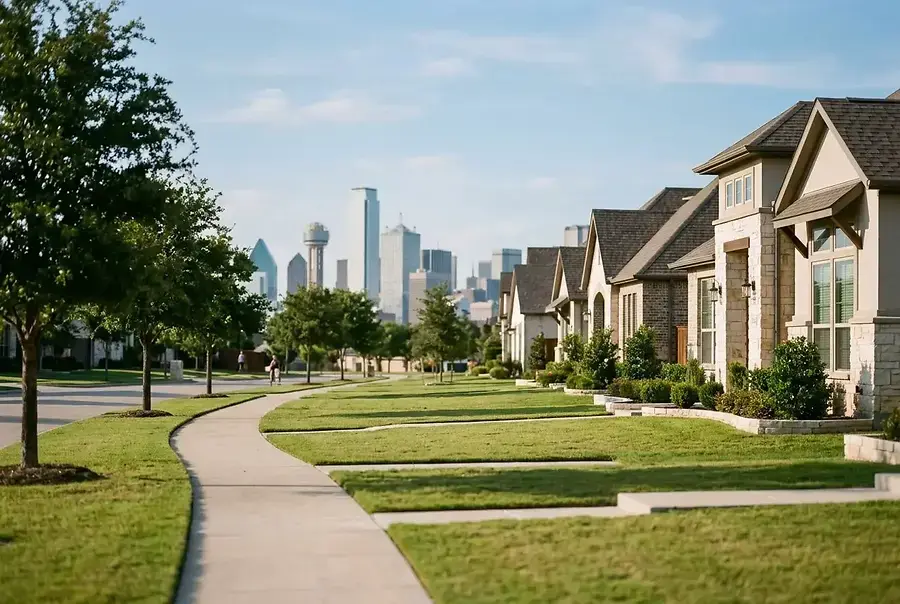
Why DFW Residential Properties Are Attracting Smart Investors
The Dallas-Fort Worth metropolitan area has emerged as one of the most dynamic residential real estate markets in the United States. With a rapidly growing population, strong economic fundamentals, and diverse neighborhood options, DFW presents compelling opportunities for both seasoned and novice property investors. The region's combination of affordable entry prices compared to coastal markets, steady population growth, and robust job creation makes it an attractive destination for those seeking reliable returns on residential investments.
What sets DFW apart from other markets is its resilience and consistent appreciation. Unlike markets that experience boom-and-bust cycles, the Dallas-Fort Worth area has demonstrated steady, sustainable growth over the past decade. This stability, combined with relatively low property taxes and a business-friendly environment, creates an ideal landscape for building a profitable real estate portfolio.
Top Neighborhoods for Residential Investment Returns: From Plano to Arlington
Plano: The Tech Hub's Residential Goldmine
Plano has transformed into a premier investment destination, driven by the relocation of major corporate headquarters and a thriving tech sector. Properties in Plano offer strong appreciation potential, with neighborhoods like Legacy and Ridgeview Park attracting young professionals and families. The area's excellent schools, modern amenities, and proximity to employment centers make it a magnet for renters and buyers alike.
Arlington: The Entertainment and Sports District
Arlington's strategic location between Dallas and Fort Worth, combined with its entertainment venues and sports attractions, creates consistent demand for residential properties. Neighborhoods near downtown Arlington and the entertainment district command premium rents and show strong capital appreciation. The city's diversified economy and continuous infrastructure improvements make it a stable investment choice.
Frisco: Suburban Excellence with Urban Amenities
Frisco represents the pinnacle of suburban development in DFW, offering upscale residential communities with excellent schools and family-friendly amenities. While entry prices are higher than some neighborhoods, the strong rental demand and appreciation rates justify the investment. Properties in areas like The Colony and Stonebriar consistently attract quality tenants willing to pay premium rents.
Fort Worth's Emerging Neighborhoods
Fort Worth's revitalization efforts have created exciting opportunities in neighborhoods like Sundance Square and the Cultural District. These areas offer lower entry prices than their Dallas counterparts while providing strong growth potential. The city's focus on urban renewal and mixed-use development makes these neighborhoods attractive for investors seeking value and appreciation.
Denton: The Affordable Growth Story
For investors seeking affordability without sacrificing growth potential, Denton offers compelling opportunities. The presence of universities, a vibrant downtown, and steady population growth create reliable rental demand. Properties here offer lower entry prices while maintaining solid appreciation potential, making them ideal for building investment portfolios.
Key Metrics That Determine Investment Success in Your Local Market
Cap Rate Analysis
The capitalization rate, or cap rate, is fundamental to evaluating residential investment properties. This metric reveals the annual return on your investment and helps you compare properties across different neighborhoods. A strong cap rate in DFW typically ranges from 5% to 8%, depending on the neighborhood and property condition. Understanding cap rates allows you to identify undervalued properties and make data-driven investment decisions.
Cash-on-Cash Return
This metric measures the actual cash return on the cash you've invested annually. It accounts for mortgage payments, operating expenses, and rental income. Successful DFW investors typically target cash-on-cash returns of 8% to 12%, which indicates a healthy, profitable investment that generates positive cash flow from day one.
Price-to-Rent Ratio
The price-to-rent ratio compares property purchase prices to annual rental income. A lower ratio indicates better rental yield potential. In DFW, neighborhoods with price-to-rent ratios below 15 typically offer stronger rental income relative to purchase price, making them attractive for buy-and-hold investors focused on cash flow.
Appreciation Rates and Market Trends
Historical appreciation rates provide insight into a neighborhood's growth trajectory. DFW neighborhoods with consistent 3% to 5% annual appreciation demonstrate stable, sustainable growth. Analyzing demographic trends, employment growth, and infrastructure development helps identify neighborhoods poised for future appreciation.
Vacancy Rates and Rental Demand
Low vacancy rates indicate strong rental demand and the ability to maintain consistent income. Neighborhoods with vacancy rates below 5% typically offer reliable tenant placement and rental stability. Researching local employment centers and demographic shifts helps identify areas with sustained rental demand.
Days on Market and Inventory Levels
Understanding how quickly properties sell in a neighborhood reveals market strength. Areas with lower days-on-market indicate competitive, healthy markets. Monitoring inventory levels helps investors identify buyer's markets with negotiating power and seller's markets with strong appreciation potential.
Making Your Move in the DFW Residential Investment Landscape
Success in DFW residential real estate investing requires a strategic approach combining thorough market analysis with disciplined execution. Start by identifying neighborhoods that align with your investment goals—whether you're seeking cash flow, appreciation, or a balanced approach. Utilize the key metrics discussed to evaluate properties objectively and avoid emotional decision-making.
Consider working with local real estate professionals who understand neighborhood-specific dynamics and market trends. Their expertise can help you identify opportunities before they become widely known and negotiate favorable terms. Additionally, staying informed about infrastructure projects, employment growth, and demographic shifts positions you to anticipate market movements.
Remember that successful real estate investing is a long-term endeavor. The DFW market's fundamentals support sustained growth, making it an excellent region for building wealth through residential property investment. Whether you're targeting the tech-driven growth of Plano, the entertainment appeal of Arlington, or the emerging opportunities in Fort Worth, the Dallas-Fort Worth area offers diverse pathways to investment success.
By combining thorough due diligence, strategic neighborhood selection, and disciplined financial analysis, you can capitalize on the opportunities that make DFW one of America's most attractive residential real estate markets.