Finding Prime Commercial Real Estate in North Texas Suburbs
A strategic guide to identifying high-potential commercial properties in Dallas-Fort Worth's fastest-growing suburban markets.

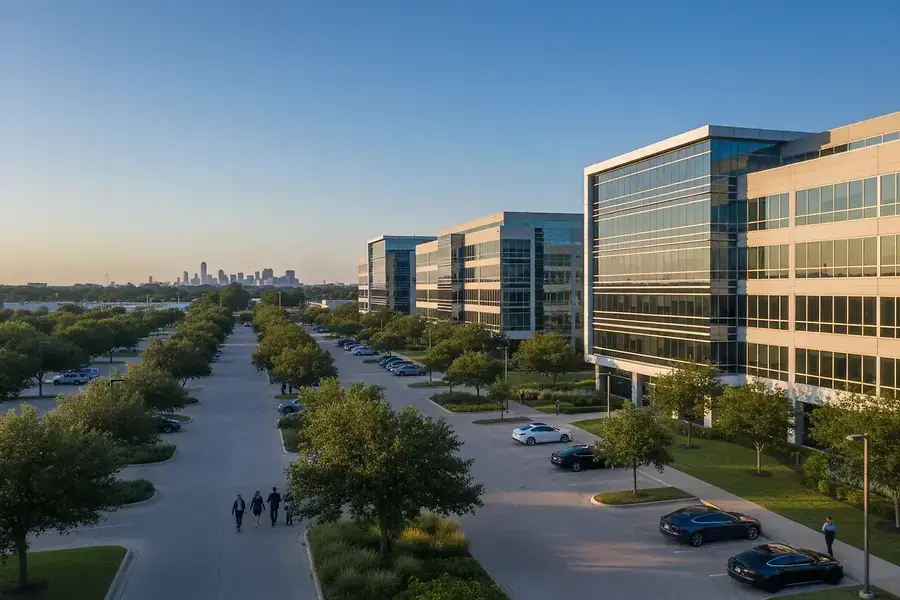
The Suburban Commercial Shift in North Texas
The commercial real estate landscape in North Texas has undergone a dramatic transformation over the past several years. What was once a Dallas and Fort Worth-centric market has evolved into a dynamic, multi-nodal region where suburban communities are becoming increasingly attractive to businesses of all sizes. This shift represents a fundamental change in how companies approach location strategy and real estate investment.
The migration toward suburban markets is driven by several compelling factors. Lower operating costs, reduced congestion, and improved quality of life have made suburban locations increasingly appealing to both established corporations and emerging startups. Additionally, the availability of modern infrastructure, skilled workforce populations, and competitive commercial lease rates have positioned North Texas suburbs as premier destinations for business expansion.
For investors and business owners, understanding this suburban commercial shift is essential. The opportunities available in these emerging markets often exceed those found in traditional urban centers, offering higher growth potential and better long-term returns on investment.
Key Commercial Markets: Dallas, Fort Worth, and Emerging Suburban Hubs
Dallas and Fort Worth: The Traditional Anchors
Dallas and Fort Worth remain the dominant commercial real estate markets in North Texas, with established business districts, diverse tenant bases, and mature infrastructure. However, even these traditional anchors are experiencing significant suburban expansion, with office parks and commercial corridors extending well beyond their downtown cores.
The Dallas market continues to attract major corporate headquarters and regional offices, while Fort Worth has solidified its position as a logistics and distribution hub. Both cities serve as economic engines that drive demand throughout the entire region.
Emerging Suburban Powerhouses
Several suburban communities have emerged as significant commercial real estate destinations:
- Plano and Richardson: Technology and corporate headquarters hubs with world-class office space and growing retail sectors
- Arlington: Entertainment and mixed-use development center with strong retail and hospitality components
- Frisco: High-growth market featuring corporate campuses, office parks, and premium commercial developments
- Lewisville and Denton: Emerging markets offering affordable commercial space and rapid population growth
- McKinney: Historic downtown revitalization combined with modern commercial development on the city's periphery
These suburban markets offer distinct advantages: lower vacancy rates in certain sectors, higher growth trajectories, and emerging business ecosystems that support diverse industries.
Evaluating Commercial Properties: Location, Zoning, and Growth Potential
Location Strategy and Market Positioning
When evaluating commercial properties in North Texas suburbs, location remains paramount. Consider proximity to major transportation corridors, including Interstate 35E, Interstate 635, and the Dallas North Tollway. Properties near these arteries command premium values due to accessibility and visibility.
Additionally, evaluate the surrounding demographic profile. Population density, median household income, and employment centers all influence the viability of commercial ventures. Properties positioned near growing residential communities and employment hubs typically demonstrate stronger performance metrics.
Zoning and Regulatory Considerations
Understanding local zoning regulations is critical to successful commercial real estate investment. North Texas suburbs vary significantly in their zoning frameworks and development policies. Some municipalities actively encourage commercial development through incentive programs, while others maintain more restrictive approaches.
Key considerations include:
- Current zoning classifications and permitted uses
- Potential for zoning variances or rezoning opportunities
- Local tax incentive programs and economic development initiatives
- Building code requirements and compliance costs
- Environmental regulations and remediation requirements
Engaging with local planning departments and municipal officials early in the evaluation process can reveal opportunities and potential obstacles before significant capital commitment.
Growth Potential and Market Fundamentals
Assessing long-term growth potential requires analyzing multiple data points. Population growth rates, employment trends, and planned infrastructure projects all indicate market trajectory. Properties positioned in corridors experiencing infrastructure investment—such as new toll roads, transit improvements, or utility expansions—typically appreciate more rapidly.
Market fundamentals to evaluate include:
- Absorption rates and lease-up timelines for comparable properties
- Tenant demand and industry diversification
- Competitive supply and pricing trends
- Planned commercial developments and competitive pipeline
- Economic diversity and business ecosystem strength
Properties in markets with strong fundamentals and limited competitive supply typically offer superior investment returns and lower risk profiles.
Financial Analysis and Return Metrics
Rigorous financial analysis is essential before committing capital. Evaluate properties based on cap rates, cash-on-cash returns, and projected appreciation. Compare these metrics against regional benchmarks and alternative investment opportunities.
The most successful commercial real estate investors in North Texas combine quantitative analysis with qualitative market insights, positioning themselves ahead of broader market trends.
Positioning Your Business for Success in North Texas
Successfully navigating the North Texas commercial real estate market requires a strategic, informed approach. Begin by clearly defining your business requirements: space needs, location preferences, budget parameters, and timeline. This clarity enables more efficient property evaluation and faster decision-making.
Engage experienced local professionals—commercial real estate brokers, attorneys, and accountants—who understand the nuances of North Texas markets. Their insights can identify opportunities overlooked by less-informed investors and help navigate complex transactions.
Finally, maintain a long-term perspective. The most successful commercial real estate investments in North Texas suburbs are those positioned to benefit from sustained regional growth. Properties selected based on fundamental market strength and strategic location positioning typically deliver superior returns over extended holding periods.
The North Texas suburban commercial real estate market presents exceptional opportunities for informed investors and business owners. By understanding key markets, evaluating properties systematically, and positioning strategically, you can capitalize on the region's continued growth and prosperity.