Finding the Best Neighborhoods in Fayetteville for Your Home
Discover which Fayetteville neighborhoods offer the best value and growth potential for your next residential investment.

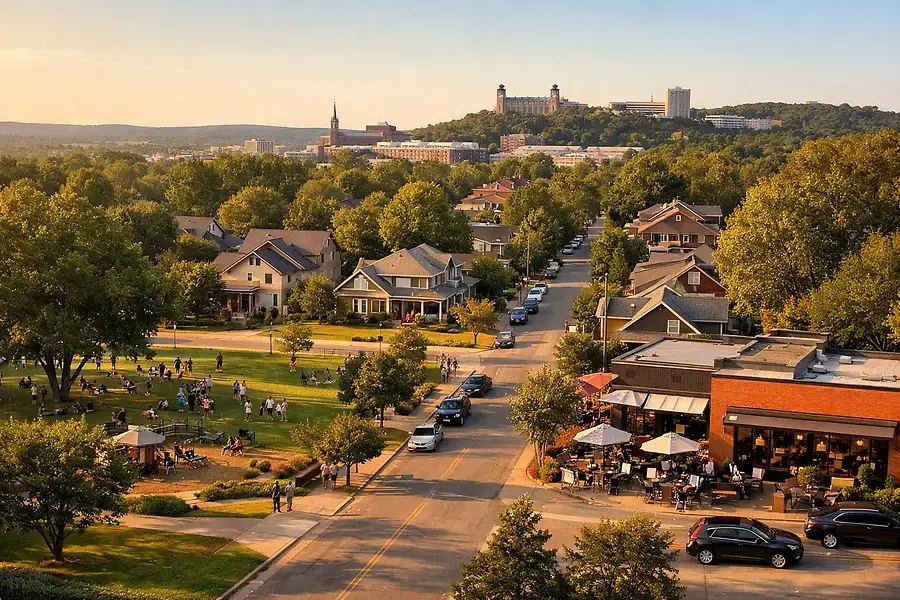
Understanding Fayetteville's Most Desirable Neighborhoods
Fayetteville has emerged as one of the most vibrant and growing cities in the region, attracting homebuyers from across the country. The city's neighborhoods each offer unique characteristics, from historic charm to modern development, making it essential to understand what sets them apart. Whether you're a first-time homebuyer or an experienced investor, knowing which neighborhoods align with your lifestyle and financial goals is crucial.
The most desirable neighborhoods in Fayetteville tend to combine accessibility to employment centers, quality schools, and strong community engagement. Areas like Midtown, Dickson Street, and The Heights have become increasingly popular due to their walkability and vibrant cultural scenes. Meanwhile, established neighborhoods such as Razorback Road and Maple Hill appeal to families seeking stability and mature tree-lined streets.
Key Factors That Drive Property Values Across Fayetteville Areas
Proximity to Employment and Education
One of the most significant drivers of property values in Fayetteville is proximity to major employment hubs and educational institutions. The University of Arkansas, along with numerous tech companies and corporate headquarters, creates consistent demand for housing in nearby neighborhoods. Properties within a 10-15 minute commute to these centers typically command higher prices and experience stronger appreciation.
Infrastructure and Development
Neighborhoods with planned infrastructure improvements and ongoing development projects tend to see increased property values. Road expansions, new commercial districts, and public transportation enhancements signal growth potential. Investors should monitor city planning documents and development announcements to identify neighborhoods on the cusp of transformation.
School District Quality
The Fayetteville Public School District's reputation significantly impacts neighborhood desirability. Families prioritize areas served by highly-rated elementary, middle, and high schools. Neighborhoods zoned for top-performing schools consistently show stronger property value retention and appreciation rates.
Safety and Community Character
Crime rates and neighborhood safety are paramount considerations for homebuyers. Neighborhoods with active community organizations, neighborhood watch programs, and low crime statistics attract more buyers and maintain stable property values. The sense of community—reflected in local events, parks, and gathering spaces—also enhances a neighborhood's appeal.
Comparing Amenities, Schools, and Community Features by Neighborhood
Midtown and Downtown Corridors
Best for: Young professionals and urban enthusiasts
These neighborhoods offer unparalleled walkability with restaurants, shops, and entertainment venues within walking distance. The cultural scene is vibrant, with galleries, theaters, and music venues. However, properties tend to be pricier, and parking can be challenging. Schools in these areas are adequate but may not be the top-rated options in the district.
Family-Oriented Neighborhoods
Best for: Families with children
Neighborhoods like Maple Hill and Razorback Road prioritize family amenities including:
- Top-rated schools with strong academic programs
- Parks and recreational facilities
- Community centers and youth programs
- Quiet, tree-lined streets ideal for children
These areas typically offer more space for your money and a strong sense of community through school events and neighborhood associations.
Emerging Growth Neighborhoods
Best for: Investors seeking appreciation potential
Neighborhoods on Fayetteville's outskirts are experiencing rapid development and offer excellent investment opportunities. These areas feature newer construction, modern amenities, and lower entry prices compared to established neighborhoods. As infrastructure improves and commercial development follows, property values in these areas are projected to appreciate significantly.
Making Your Neighborhood Choice: A Buyer's Action Plan
Step 1: Define Your Priorities
Begin by listing what matters most to you: commute time, school quality, walkability, property size, or investment potential. Rank these priorities to help narrow your search and prevent decision paralysis when evaluating neighborhoods.
Step 2: Research Market Data
Examine recent sales data, average property prices, and appreciation trends in neighborhoods of interest. Look for:
- Average days on market
- Price per square foot trends
- Year-over-year appreciation rates
- Inventory levels and market competitiveness
Step 3: Visit at Different Times
Drive through neighborhoods during weekdays and weekends, mornings and evenings. This gives you a realistic sense of traffic patterns, noise levels, and community activity. Stop at local parks, coffee shops, and schools to experience the neighborhood's character firsthand.
Step 4: Talk to Current Residents
Strike up conversations with people in the neighborhood. Ask about their experience living there, what they love, and what challenges they've faced. Long-time residents provide invaluable insights that data alone cannot reveal.
Step 5: Consult with Local Experts
Work with a knowledgeable real estate agent familiar with Fayetteville's neighborhoods. They can provide market insights, identify emerging opportunities, and help you navigate the buying process. Additionally, consider consulting with a financial advisor to ensure your choice aligns with your investment goals.
Step 6: Make Your Decision
After thorough research and visits, trust your instincts. The best neighborhood is one where you can envision yourself building a life, whether that's for the next five years or the next fifty. Don't rush the decision—taking time to choose the right neighborhood pays dividends in satisfaction and financial returns.
Remember: The best neighborhood for you depends on your unique circumstances, goals, and lifestyle preferences. What works for one buyer may not work for another, so focus on finding the neighborhood that aligns with your vision.


