Finding the Best Residential Land Investment Opportunities in Greater Austin
Discover which neighborhoods from Pflugerville to San Marcos offer the best land investment potential for residential development.

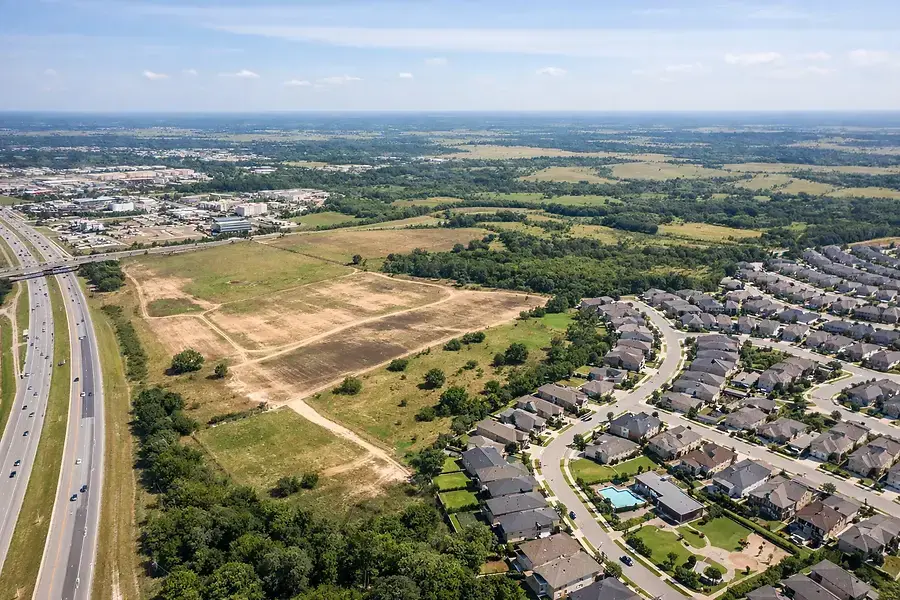
Understanding the Central Texas Land Market
The Greater Austin area has emerged as one of the most dynamic real estate markets in the United States. With population growth consistently outpacing national averages, residential land investment has become increasingly attractive to both seasoned investors and newcomers. The region's expansion extends well beyond Austin's city limits, creating opportunities across multiple communities from Pflugerville in the north to San Marcos in the south.
The Central Texas land market is characterized by strong demand fundamentals. Tech industry growth, affordable living costs compared to other major metros, and quality of life factors continue to draw residents to the area. This sustained demand creates a favorable environment for land investors seeking appreciation potential.
Market Trends and Growth Patterns
Recent market analysis shows that suburban and exurban areas surrounding Austin are experiencing accelerated development. Investors who understand these growth patterns can position themselves ahead of major infrastructure projects and population shifts. The corridor extending from Pflugerville through Round Rock, Cedar Park, and down to San Marcos represents a particularly compelling investment landscape.
Comparing Residential Land Values by Location
Northern Corridor: Pflugerville and Round Rock
Pflugerville has transformed from a rural community into a thriving suburban hub. Land values here offer a balance between affordability and growth potential. The proximity to major employers and excellent school districts make this area attractive for residential development. Investors can find opportunities at more accessible price points compared to central Austin while still benefiting from strong appreciation trends.
Central Suburbs: Cedar Park and Leander
These communities represent the next wave of suburban expansion. Cedar Park, in particular, has seen significant commercial and residential development. Land in these areas commands higher prices than Pflugerville but remains more affordable than central Austin. The established infrastructure and planned growth corridors make these locations ideal for investors seeking balanced risk and return profiles.
Southern Expansion: San Marcos and Kyle
The southern corridor, including San Marcos and Kyle, represents the frontier of Greater Austin's expansion. While land prices are currently lower than northern areas, the growth trajectory is steep. Major infrastructure investments and planned commercial development suggest significant appreciation potential. However, these areas require more patience as development timelines extend further into the future.
Value Comparison Summary
- Pflugerville: Mid-range pricing with established growth patterns
- Round Rock: Premium pricing reflecting mature development
- Cedar Park: Strong growth potential with moderate pricing
- San Marcos: Lower entry prices with long-term appreciation prospects
- Kyle: Emerging market with significant upside potential
Key Factors Affecting Land Appreciation in the Greater Austin Area
Infrastructure Development
Transportation infrastructure plays a critical role in land appreciation. Highway expansions, public transit projects, and planned road improvements directly impact property values. Investors should monitor upcoming infrastructure projects when evaluating potential investments. Land positioned near future transit corridors or highway improvements typically experiences faster appreciation.
School District Quality
Families prioritize excellent schools when choosing where to live. Land in areas served by top-rated school districts commands premium prices and experiences stronger demand. Research school district ratings and planned expansions to identify areas poised for growth.
Employment Centers and Job Growth
Proximity to major employment centers drives residential demand. The tech corridor along I-35 and emerging employment hubs in suburban areas create natural demand centers for residential land. Areas within reasonable commuting distance of major employers experience more consistent appreciation.
Zoning and Development Regulations
Understanding local zoning laws and development regulations is essential. Some municipalities offer more favorable zoning for residential development, while others impose stricter regulations. Favorable zoning can accelerate development timelines and increase land value potential. Consult with local planning departments to understand development possibilities for specific parcels.
Population Demographics and Migration Patterns
Demographic trends reveal where growth will occur. Younger populations moving to Texas, remote workers relocating, and families seeking affordable suburban living all influence land demand. Areas attracting these demographic groups typically see stronger appreciation.
Making Your Land Investment Decision
Due Diligence Checklist
Before committing capital to land investment, conduct thorough due diligence:
- Verify property boundaries and survey accuracy
- Research zoning classifications and permitted uses
- Investigate utility availability and connection costs
- Review environmental reports and soil conditions
- Analyze comparable land sales in the area
- Assess access to major roads and transportation
- Evaluate school district quality and ratings
- Research planned infrastructure projects
Investment Strategy Considerations
Short-term vs. long-term holding: Decide whether you're seeking quick appreciation or long-term wealth building. Northern areas like Pflugerville may offer faster returns, while southern areas like San Marcos may require longer holding periods for maximum appreciation.
Development potential: Consider whether you'll develop the land yourself or sell to developers. Land with clear development potential commands premium prices. Understand local development requirements and timelines before purchasing.
Financing options: Land financing differs from residential property financing. Explore various financing options and understand how holding costs affect your investment returns.
Risk Management
Land investment carries inherent risks. Market downturns, regulatory changes, and development delays can impact returns. Diversify across multiple properties and locations to mitigate risk. Maintain adequate reserves for property taxes and holding costs during your investment period.
Final Thoughts
The Greater Austin area offers compelling residential land investment opportunities across multiple communities. Success requires understanding local market dynamics, conducting thorough due diligence, and aligning investments with your financial goals and risk tolerance. Whether you're drawn to the established growth of Pflugerville or the frontier potential of San Marcos, opportunities abound for informed investors willing to do their homework.
The key to successful land investment is patience, research, and strategic positioning ahead of growth trends.


