Finding the Right Office Space in South Denver Metro Markets
Navigate competitive commercial real estate options across Centennial, Denver, Aurora, and surrounding communities to find the perfect office location for your business.

Understanding the South Denver Metro Office Market Landscape
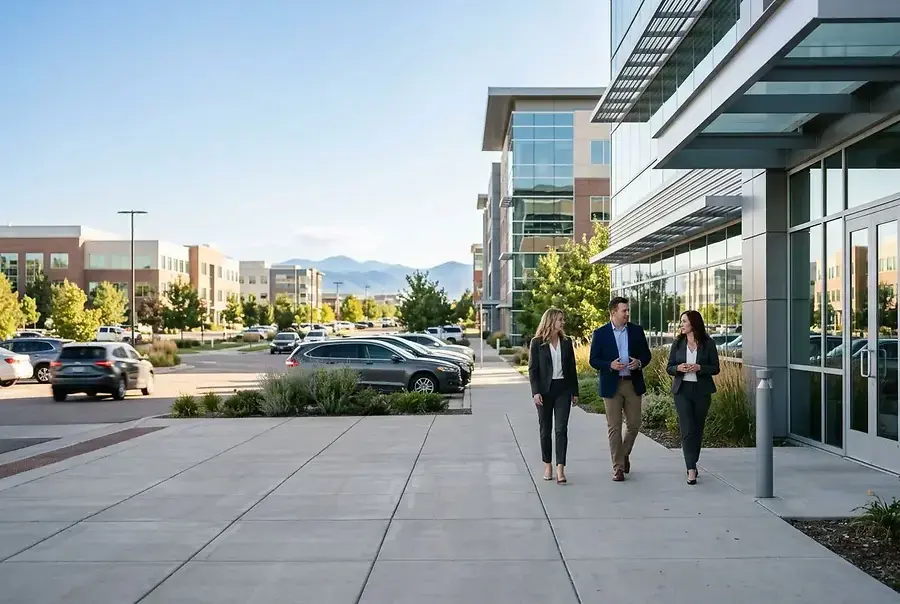
The South Denver metropolitan area has emerged as one of Colorado's most dynamic commercial real estate markets. With communities like Centennial, Aurora, and surrounding areas experiencing significant growth, businesses have unprecedented opportunities to establish or relocate their operations in this thriving region.
The market is characterized by diverse property options, ranging from modern Class A office buildings to flexible coworking spaces and traditional office parks. Understanding the current landscape is essential for making an informed decision about your business's location. The South Denver metro offers competitive advantages including proximity to major transportation corridors, access to a skilled workforce, and strong economic fundamentals.
Market Trends and Opportunities
Recent market activity shows steady demand for office space across the region. Companies are increasingly seeking locations that offer flexibility, modern amenities, and access to growing business communities. The South Denver metro has responded with innovative office solutions that cater to businesses of all sizes.
- Flexible lease terms are becoming more common as landlords adapt to evolving business needs
- Mixed-use developments combine office space with retail and residential components
- Sustainability features are increasingly important to tenants and landlords alike
- Technology infrastructure is a critical factor in modern office selection
Key Commercial Corridors and Their Strategic Advantages
The South Denver metro encompasses several strategic commercial corridors, each with unique characteristics and advantages for different types of businesses.
Denver Central Business District and Surrounding Areas
Downtown Denver and its immediate surroundings remain a premier destination for businesses seeking high visibility and prestige. This corridor offers unmatched access to professional services, dining, and entertainment, making it ideal for client-facing operations and corporate headquarters.
Aurora Commercial Zones
Aurora has developed into a robust commercial hub with significant advantages for growing companies. The city offers competitive pricing compared to downtown Denver, excellent highway access via I-225 and I-70, and a diverse business community. Aurora's office market appeals to companies seeking modern facilities without premium downtown pricing.
Centennial and Tech Corridors
Centennial has positioned itself as a technology and innovation hub. This area features:
- State-of-the-art office parks with advanced technology infrastructure
- Proximity to major employers and research institutions
- Excellent access to I-25 and surrounding highways
- Growing ecosystem of tech-focused businesses and startups
I-25 Corridor Advantages
Properties along the I-25 corridor offer exceptional accessibility for businesses requiring frequent client meetings or employee commuting from various directions. This strategic location provides visibility and convenience that many companies find invaluable.
Evaluating Lease Terms, Pricing, and Negotiation Strategies
Understanding lease structures and pricing is crucial for making a financially sound decision. The South Denver metro office market offers various options to suit different business models and budgets.
Lease Structure Options
When evaluating office space, you'll encounter several lease arrangements:
- Gross leases: Landlord covers most operating expenses; simpler budgeting for tenants
- Net leases: Tenant pays base rent plus proportional share of operating costs
- Modified gross leases: Hybrid approach with shared responsibility for expenses
- Coworking memberships: Flexible, all-inclusive arrangements ideal for startups and small teams
Pricing Considerations
Office space pricing in the South Denver metro varies significantly based on location, building class, and amenities. Class A properties command premium rates, while Class B and C spaces offer more affordable alternatives without sacrificing quality. Consider your budget constraints alongside your business image and operational needs.
Negotiation is a critical skill in commercial real estate. Don't accept the first offer—landlords often expect discussion and may be willing to offer concessions such as free rent periods, tenant improvement allowances, or flexible lease terms.
Strategic Negotiation Tips
- Research comparable properties to understand fair market rates in your target area
- Highlight your value as a tenant—stable, long-term occupancy is attractive to landlords
- Request tenant improvement allowances to customize the space to your needs
- Negotiate renewal options to provide long-term stability for your business
- Consider lease length strategically—longer leases may yield better rates but less flexibility
Making Your Final Decision: Location Selection Checklist
Before committing to an office space, conduct a thorough evaluation using this comprehensive checklist:
Operational Factors
- Does the space accommodate your current team and anticipated growth?
- Is the location convenient for your employees' commutes?
- Are parking facilities adequate and reasonably priced?
- Does the building offer reliable utilities and technology infrastructure?
- What are the lease terms, and do they align with your business plans?
Strategic Considerations
- Does the location enhance your company's brand and professional image?
- Is the area conducive to attracting and retaining top talent?
- Are there nearby amenities that benefit your employees and clients?
- What is the neighborhood's growth trajectory and economic stability?
- Does the location provide competitive advantages over alternatives?
Financial Evaluation
- Is the total cost of occupancy within your budget?
- What are the hidden costs (utilities, maintenance, insurance)?
- Are there opportunities for cost savings through negotiation?
- How does this location compare financially to other options?
- What is the long-term financial impact of this decision?
Final Steps
Once you've narrowed your options, visit each property multiple times at different times of day to assess traffic patterns, noise levels, and overall atmosphere. Speak with current tenants about their experiences. Consult with a commercial real estate broker who understands the South Denver metro market—their expertise can save you time and money.
The right office space can significantly impact your business's success and employee satisfaction. By thoroughly evaluating your options across the South Denver metro's diverse commercial corridors and carefully negotiating lease terms, you'll position your company for growth and prosperity in this vibrant market.


