Finding Walkable Neighborhoods in Hampton Roads: A Complete Guide
Discover which local neighborhoods offer the best pedestrian-friendly living and convenient access to daily amenities.

Why Walkability Matters for Homebuyers
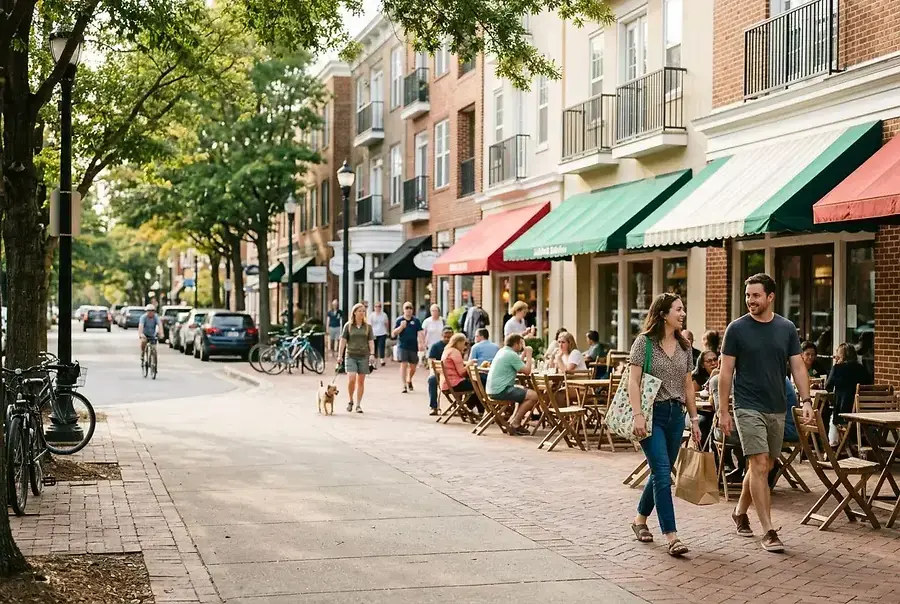
When searching for a new home, many buyers focus on square footage, price, and aesthetic appeal. However, one crucial factor often gets overlooked: walkability. A walkable neighborhood can significantly enhance your quality of life, reduce transportation costs, and foster a stronger sense of community.
Walkable neighborhoods offer numerous benefits beyond convenience. Residents enjoy improved physical health through increased daily movement, reduced stress from less commuting, and stronger connections with neighbors. Additionally, homes in walkable areas tend to maintain their value better over time, making them a smart investment.
Hampton Roads is home to several neighborhoods that prioritize pedestrian access and community engagement. Whether you're relocating for work or seeking a lifestyle change, understanding walkability can help you make an informed decision about where to live.
Evaluating Walkability Scores and Community Features
Understanding Walkability Scores
Walkability scores range from 0 to 100, measuring how easily residents can accomplish errands on foot. A score above 70 indicates a very walkable neighborhood, while scores between 50-69 suggest somewhat walkable areas. Scores below 50 typically mean you'll need a car for most activities.
These scores consider proximity to:
- Grocery stores and farmers markets
- Restaurants and coffee shops
- Shopping and retail centers
- Parks and recreation facilities
- Schools and libraries
- Public transportation options
Key Community Features to Consider
Beyond numerical scores, evaluate these practical features when assessing a neighborhood's walkability:
- Sidewalk Quality: Well-maintained, continuous sidewalks make walking safer and more pleasant
- Street Lighting: Adequate lighting ensures safe evening walks and increased foot traffic
- Traffic Patterns: Lower speed limits and traffic volume create pedestrian-friendly environments
- Mixed-Use Development: Neighborhoods combining residential, commercial, and recreational spaces encourage walking
- Public Transportation: Bus routes and transit options reduce car dependency
- Community Events: Farmers markets, street fairs, and gatherings indicate active neighborhoods
Top Walkable Neighborhoods Across Hampton Roads
Downtown Norfolk
Downtown Norfolk stands out as one of the region's most walkable areas. The neighborhood features waterfront access, diverse dining options, cultural attractions, and residential lofts. Residents can walk to the Chrysler Museum, Town Point Park, and numerous restaurants without needing a vehicle. The revitalized downtown continues to attract young professionals and families seeking urban living.
Old Towne Portsmouth
This historic neighborhood offers charming brick streets, locally-owned boutiques, galleries, and restaurants. Old Towne Portsmouth provides authentic walkability with genuine community character. The area's compact layout makes it easy to explore on foot, and the waterfront location adds scenic appeal to daily walks.
Ghent District in Norfolk
The Ghent neighborhood combines residential charm with urban convenience. Tree-lined streets, local coffee shops, independent bookstores, and parks create an inviting pedestrian environment. This established neighborhood attracts residents who value both walkability and community stability.
Colley Avenue Corridor
Colley Avenue in Norfolk has transformed into a vibrant, walkable destination. The corridor features independent restaurants, vintage shops, galleries, and entertainment venues. Its pedestrian-friendly design and local business focus make it an increasingly popular choice for those seeking neighborhood character.
Williamsburg in Hampton
This neighborhood offers a more suburban feel while maintaining good walkability. Residents enjoy access to local shops, restaurants, and parks within walking distance. The area balances residential comfort with convenient amenities, appealing to families and professionals alike.
Kempsville in Virginia Beach
While Virginia Beach is known for car-dependent sprawl, the Kempsville neighborhood provides pockets of walkability. The area features local shopping centers, restaurants, and services clustered together, allowing residents to accomplish many errands on foot.
Making Walkability a Priority in Your Home Search
Steps to Evaluate Walkability
Before committing to a neighborhood, take these practical steps:
- Visit neighborhoods at different times of day and week to observe foot traffic and activity levels
- Walk the streets yourself to assess sidewalk conditions, safety, and actual distances to amenities
- Talk to current residents about their walking experiences and neighborhood satisfaction
- Check online walkability tools and maps for objective scoring data
- Research planned development projects that might improve or impact walkability
- Consider your personal lifestyle and which amenities matter most to you
Questions to Ask Your Real Estate Agent
Engage your real estate agent in walkability conversations:
"What amenities are within a 10-minute walk? How safe is this neighborhood for pedestrians? Are there plans for future development or infrastructure improvements?"
These questions help clarify whether a neighborhood truly matches your walkability expectations.
Long-Term Value Considerations
Walkable neighborhoods often appreciate faster than car-dependent areas. As more people prioritize walkability and sustainability, demand for pedestrian-friendly communities continues growing. Investing in a walkable neighborhood isn't just about lifestyle—it's a smart financial decision.
Hampton Roads offers diverse options for those seeking walkable neighborhoods. From historic downtown areas to revitalized corridors, the region provides communities where you can reduce car dependency and increase quality of life.
Take time to explore neighborhoods in person, research walkability scores, and consider how each area aligns with your lifestyle goals. The perfect walkable neighborhood is out there—you just need to know where to look.