Finding Your Perfect Boston Neighborhood: A First-Time Buyer's Complete Guide
Discover which Boston neighborhoods match your lifestyle and budget before making your biggest investment.

Why Neighborhood Selection Matters for Boston Homebuyers
Buying your first home in Boston is an exciting milestone, but it's also one of the most significant financial decisions you'll make. While many first-time buyers focus primarily on the property itself, choosing the right neighborhood is equally—if not more—important. Your neighborhood determines not just where you live, but how you live: your daily commute, your access to amenities, your quality of life, and ultimately, your investment's long-term value.
Boston's real estate market is incredibly diverse, with each neighborhood offering distinct characteristics, price points, and lifestyles. Whether you're a young professional seeking urban energy, a growing family prioritizing excellent schools, or someone looking for a quieter, more established community, Boston has a neighborhood that fits your needs. The key is understanding what matters most to you and knowing where to look.
Understanding Boston's Diverse Neighborhoods: From Back Bay to Dorchester
Back Bay and Beacon Hill
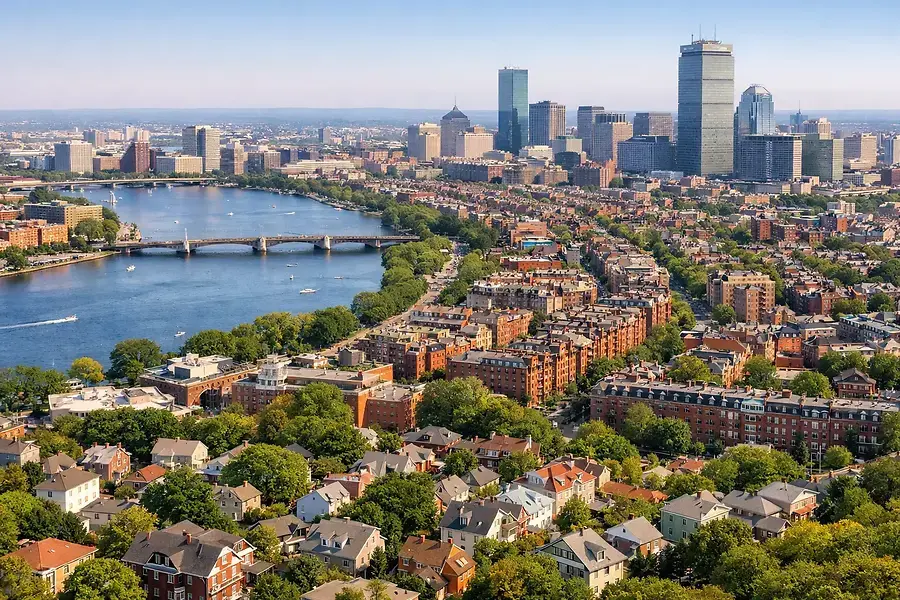
These iconic neighborhoods represent Boston's most prestigious addresses. Back Bay features stunning brownstones, tree-lined streets, and proximity to Newbury Street's shopping and dining. Beacon Hill offers historic charm with its gas-lit streets and tight-knit community feel. Both neighborhoods command premium prices but offer unmatched character and walkability.
Cambridge and Somerville
Just across the Charles River, these neighborhoods attract young professionals and academics. Cambridge is home to Harvard and MIT, creating a vibrant, intellectual atmosphere. Somerville has emerged as a trendy alternative with lower prices, excellent restaurants, and a creative community. Both offer excellent public transportation and a youthful energy.
South End and Jamaica Plain
The South End is known for its diverse population, excellent restaurants, and vibrant nightlife. It's perfect for those seeking an urban lifestyle with cultural diversity. Jamaica Plain offers a more relaxed, artsy vibe with beautiful parks, including the Arnold Arboretum, and a strong sense of community. Both neighborhoods are more affordable than Back Bay while maintaining urban appeal.
Dorchester and Mattapan
These neighborhoods represent Boston's most affordable options and are experiencing significant revitalization. Dorchester offers diverse communities, improving amenities, and strong potential for property appreciation. Mattapan is similarly priced and features family-friendly areas with good schools. These neighborhoods are ideal for budget-conscious buyers willing to invest in emerging areas.
Brookline and Newton
Just outside Boston proper, these suburban neighborhoods offer excellent schools, spacious homes, and family-friendly environments. Brookline maintains an upscale suburban feel with proximity to the city, while Newton is known for its outstanding school system and beautiful residential streets. Both command higher prices but appeal to families prioritizing education.
Key Factors to Consider: Schools, Commute, Amenities, and Property Values
School Quality and Rankings
If you have children or plan to start a family, school quality should be a primary consideration. Boston's schools vary significantly by neighborhood. Research school ratings, test scores, and parent reviews. Neighborhoods like Newton, Brookline, and parts of Cambridge are renowned for exceptional schools, while other areas are rapidly improving their educational offerings.
Commute and Transportation
Consider your daily commute carefully. Boston's MBTA (public transportation system) serves many neighborhoods well, but reliability varies. If you drive, research parking availability and traffic patterns. Walkability is another crucial factor—neighborhoods like Back Bay, the South End, and Cambridge offer excellent walkability, while suburban areas may require a car for most errands.
Local Amenities and Lifestyle
Think about how you want to spend your free time. Do you value:
- Restaurants, bars, and nightlife
- Parks and outdoor recreation
- Shopping and retail options
- Cultural institutions and museums
- Community events and farmers markets
- Fitness facilities and gyms
Different neighborhoods excel in different areas. The South End offers world-class dining, Jamaica Plain provides outdoor recreation, and Cambridge offers cultural institutions. Match your lifestyle preferences to neighborhoods that support them.
Property Values and Investment Potential
Real estate is an investment, so understand the market dynamics of your target neighborhood. Research recent sales data, price trends, and future development plans. Some neighborhoods, like Dorchester and Mattapan, offer lower entry prices with strong appreciation potential. Others, like Back Bay, maintain stable, premium values. Consider whether you're buying for the long term or planning to sell within a few years.
Neighborhood Safety and Community
Safety is paramount. Review crime statistics, but also visit neighborhoods at different times of day. Talk to current residents about their experiences. A neighborhood's sense of community—whether through active neighborhood associations, community events, or simply friendly neighbors—significantly impacts your quality of life.
Future Development and Change
Boston is constantly evolving. Research planned developments, new transit lines, or commercial projects in neighborhoods you're considering. These changes can significantly impact property values and neighborhood character. Some buyers embrace change and development; others prefer established, stable neighborhoods.
Conclusion: Partner with a Local Expert to Find Your Perfect Boston Home
Finding your perfect Boston neighborhood requires balancing multiple factors: your budget, lifestyle preferences, long-term goals, and personal values. There's no single "best" neighborhood—only the best neighborhood for you.
The most important step is to do your research and visit neighborhoods in person. Walk the streets, visit local coffee shops, talk to residents, and imagine yourself living there. Spend time in different areas at various times of day and week to get a genuine feel for the community.
Working with a local real estate expert who knows Boston's neighborhoods intimately can be invaluable. They can provide insights into market trends, neighborhood trajectories, and hidden gems that match your specific needs. They'll help you navigate Boston's competitive market and find not just a house, but a home in a neighborhood where you'll thrive.
Your first Boston home is more than a financial investment—it's the foundation for your life in this vibrant, historic city. Take the time to choose wisely, and you'll enjoy your neighborhood for years to come.


