Finding Your Perfect Home in Hampton Roads and Chesapeake
Expert guidance on selecting the right residential property in Virginia's most desirable coastal communities.

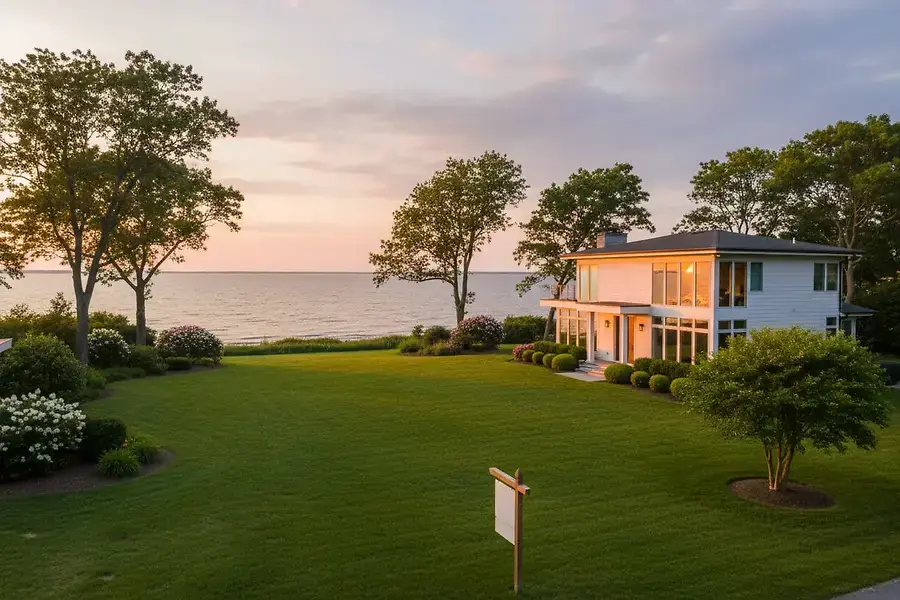
Exploring Residential Neighborhoods Across Hampton Roads
Hampton Roads offers a diverse array of neighborhoods, each with its own unique character and appeal. Whether you're drawn to waterfront living, suburban comfort, or urban convenience, this region has something for everyone. Understanding the distinct qualities of each community is the first step toward finding your ideal home.
Waterfront and Coastal Communities
The waterfront neighborhoods of Hampton Roads are among the most sought-after residential areas in Virginia. These communities offer stunning views, recreational opportunities, and a lifestyle centered around the water. Properties in these areas tend to command premium prices, but the investment often reflects the exceptional quality of life and long-term appreciation potential.
- Virginia Beach: The largest city in the region, offering diverse neighborhoods from beachfront to inland residential areas
- Williamsburg: A historic community blending colonial charm with modern amenities
- Yorktown: A picturesque waterfront town with rich historical significance
Suburban and Family-Oriented Areas
For families seeking excellent schools, spacious homes, and community-focused living, Hampton Roads' suburban neighborhoods provide the perfect balance. These areas typically feature newer construction, well-maintained properties, and strong neighborhood associations that foster community engagement.
Chesapeake stands out as a premier suburban destination, offering a mix of rural charm and modern conveniences. The city's commitment to quality education and family-friendly amenities makes it an attractive choice for growing families.
Evaluating Properties and Assessing Home Values
Key Factors in Property Evaluation
When evaluating a property, several critical factors should influence your decision. A thorough assessment goes beyond the initial visual appeal and requires careful consideration of structural integrity, location advantages, and market positioning.
- Location and Accessibility: Proximity to schools, employment centers, shopping, and transportation networks
- Property Condition: Age of the home, recent renovations, and potential repair needs
- Lot Size and Features: Square footage, outdoor space, and special amenities
- Neighborhood Trends: Development patterns, property values, and community growth
Understanding Home Values in the Current Market
The Hampton Roads real estate market has demonstrated resilience and steady growth. Property values are influenced by supply and demand dynamics, economic factors, and regional development initiatives. Working with a knowledgeable real estate professional can help you understand fair market pricing and identify properties that offer genuine value.
A professional home inspection is not an expense—it's an investment in your peace of mind and financial security.
The Importance of Professional Inspections
Never skip the home inspection phase. A certified inspector will identify potential issues that could affect your decision or negotiating position. This comprehensive evaluation covers structural elements, mechanical systems, electrical components, and potential safety concerns. The inspection report provides valuable documentation that protects your investment.
Financing Your Home Purchase in Today's Market
Exploring Mortgage Options
Today's lending environment offers various mortgage products designed to meet different financial situations and goals. Understanding your options empowers you to make informed decisions about your financing strategy.
- Conventional Loans: Traditional mortgages requiring down payments and credit qualification
- FHA Loans: Government-backed options with lower down payment requirements
- VA Loans: Exclusive benefits for military service members and veterans
- USDA Loans: Rural property financing options with favorable terms
Getting Pre-Approved and Understanding Your Budget
Before beginning your home search, obtain a pre-approval letter from a lender. This document demonstrates your financial credibility to sellers and clarifies your actual purchasing power. Understanding your budget prevents wasted time viewing properties outside your financial reach and strengthens your negotiating position when you find the right home.
Consider working with a mortgage broker who can compare rates and terms across multiple lenders. The difference between loan products can result in significant savings over the life of your mortgage.
Down Payments and Closing Costs
While conventional wisdom suggests a 20% down payment, many buyers successfully purchase homes with smaller down payments. However, smaller down payments typically result in private mortgage insurance (PMI) costs. Factor all expenses into your financial planning, including closing costs, property taxes, homeowners insurance, and HOA fees if applicable.
Closing Successfully: Final Steps to Homeownership
The Final Walkthrough and Title Review
As closing approaches, conduct a final walkthrough of the property to ensure all agreed-upon repairs have been completed and the home is in the expected condition. Simultaneously, your attorney or title company will review all documentation to ensure clear title transfer and proper recording of the deed.
Understanding Closing Documents
The closing process involves numerous documents. Your lender will provide a Closing Disclosure at least three business days before closing, detailing all loan terms and costs. Review this document carefully and ask questions about anything unclear. Don't hesitate to request explanations—this is your right as a borrower.
Final Preparations for Closing Day
Prepare for closing day by arranging homeowners insurance, scheduling utility transfers, and confirming your wire transfer instructions with your lender. Bring a valid photo ID and be prepared to sign numerous documents. The closing process typically takes 1-2 hours and involves signing the promissory note, mortgage document, and deed of trust.
After signing: You'll receive the keys to your new home. Congratulations—you're now a homeowner in one of Virginia's most vibrant regions!
Post-Closing Considerations
After closing, update your address with relevant institutions, schedule a professional cleaning if desired, and plan any necessary renovations or improvements. Consider meeting your neighbors and exploring your new community. Taking time to settle in and become familiar with local resources will help you fully enjoy your new home.
Finding your perfect home in Hampton Roads and Chesapeake is an exciting journey. By following these expert guidelines—exploring neighborhoods thoroughly, evaluating properties carefully, securing appropriate financing, and navigating the closing process successfully—you'll be well-positioned to make a confident, informed decision that brings you closer to homeownership in Virginia's most desirable coastal communities.


