Flipping Commercial Spaces to Residential Units in the Twin Cities
A practical guide to converting underutilized commercial properties into profitable residential developments across Minneapolis, Saint Paul, and Coon Rapids.

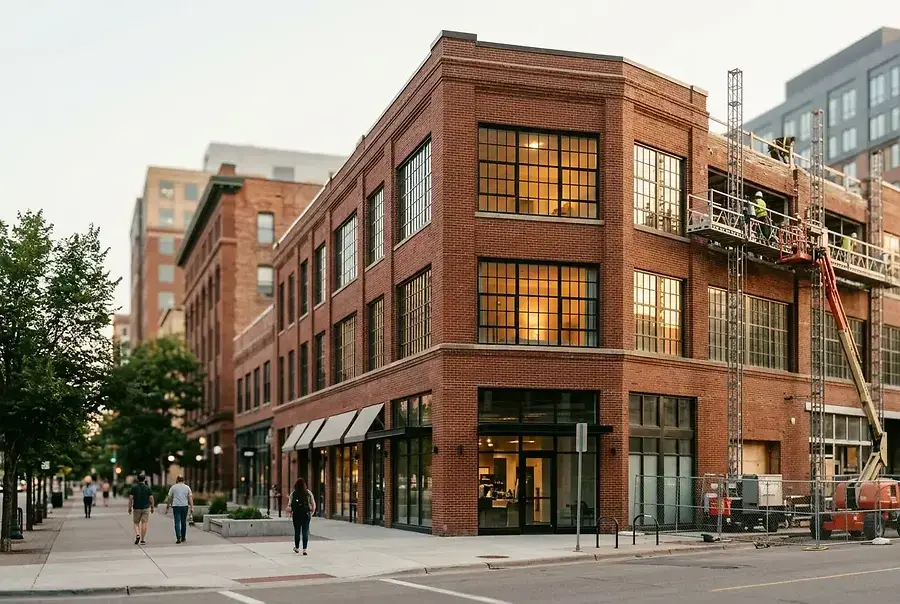
Introduction: The Residential Conversion Opportunity in Minnesota's Urban Markets
The Twin Cities real estate market is experiencing a significant shift. Downtown Minneapolis, Saint Paul, and Coon Rapids are seeing increased demand for residential living spaces, while many commercial properties sit underutilized. This creates a golden opportunity for savvy investors and developers to capitalize on commercial-to-residential conversions.
The trend is driven by several factors: remote work flexibility, younger professionals seeking urban lifestyles, and the scarcity of new residential construction. Empty office buildings, warehouses, and retail spaces that once thrived are now prime candidates for transformation into modern apartments, lofts, and mixed-use developments.
Converting commercial spaces to residential units isn't just about filling a market gap—it's about revitalizing neighborhoods, increasing property values, and creating sustainable returns on investment. However, success requires understanding local regulations, financial planning, and strategic execution.
Understanding Local Zoning Laws and Permit Requirements for Conversions
Navigating Minneapolis Zoning Regulations
Minneapolis has been progressive in encouraging residential conversions, particularly in downtown areas. The city's zoning code allows for mixed-use developments and has streamlined approval processes for certain conversion projects. Key considerations include:
- Zoning District Compatibility: Verify that your property's current zoning permits residential use or can be rezoned through a variance process
- Parking Requirements: Minneapolis requires specific parking ratios for residential units, though downtown zones often have reduced requirements
- Setback and Height Restrictions: Understand how existing building dimensions comply with residential zoning standards
Saint Paul Conversion Requirements
Saint Paul offers similar opportunities but with distinct regulatory differences. The city has been actively promoting downtown residential development through tax incentives and expedited permitting for qualifying projects.
- Contact the Saint Paul Planning and Economic Development Department early in your project planning
- Investigate potential tax abatement programs for residential conversions
- Review building code compliance requirements specific to historic properties
Coon Rapids and Suburban Opportunities
Suburban markets like Coon Rapids present different dynamics. While zoning may be more restrictive, opportunities exist in commercial corridors and aging retail centers. Work closely with local planning departments to understand conversion feasibility.
Essential Permits and Approvals
Regardless of location, expect to obtain:
- Building permits for structural modifications
- Electrical and plumbing permits for system upgrades
- Environmental assessments (Phase I and II if necessary)
- Conditional use permits or variances if zoning requires them
- Certificate of Occupancy for residential use
Pro Tip: Hire a local real estate attorney and architect familiar with conversion projects. Their expertise can accelerate the permitting process and prevent costly mistakes.
Financial Analysis: ROI and Funding Strategies for Mixed-Use Projects
Calculating Your Return on Investment
Successful conversions require detailed financial modeling. Consider these key metrics:
- Acquisition Cost: Commercial properties in the Twin Cities typically range from $150-$400 per square foot, depending on location and condition
- Conversion Costs: Budget $100-$250 per square foot for structural modifications, systems upgrades, and code compliance
- Soft Costs: Include permits, professional fees, insurance, and contingencies (typically 15-20% of hard costs)
- Projected Rental Income: Research comparable residential rents in your target neighborhood
A typical conversion project might look like this: A 20,000 square foot commercial building purchased for $3 million, with $3 million in conversion costs and $1 million in soft costs. If converted to 40 units averaging $1,800/month, gross annual revenue would be $864,000, with a payback period of approximately 8-10 years depending on operating expenses.
Funding Your Conversion Project
Multiple financing options exist for commercial-to-residential conversions:
- Construction Loans: Traditional lenders offer construction financing for qualified projects with strong business plans
- HUD 221(d)(4) Loans: FHA-backed financing specifically designed for residential conversion projects
- New Markets Tax Credits: Federal incentives for projects in designated areas, particularly beneficial in underserved neighborhoods
- Historic Tax Credits: If converting a historic building, federal and state tax credits can significantly improve project economics
- Local Incentive Programs: Minneapolis and Saint Paul offer tax abatement, TIF financing, and grant programs for qualifying projects
Risk Mitigation Strategies
Conduct thorough due diligence: Environmental assessments, structural inspections, and title reviews are non-negotiable. Hidden issues can quickly erode profitability.
Build contingency reserves: Allocate 10-15% of your budget for unexpected costs. Older commercial buildings often reveal surprises during renovation.
Validate market demand: Survey the neighborhood, analyze demographic trends, and ensure sufficient demand for your unit mix and price point.
Conclusion: Positioning Yourself as the Conversion Expert in Your Market
Commercial-to-residential conversions represent one of the most compelling real estate opportunities in the Twin Cities today. The convergence of strong residential demand, available commercial inventory, and supportive municipal policies creates an ideal environment for developers and investors.
Success requires mastering three critical areas: regulatory compliance through understanding local zoning and permitting, financial acumen in project analysis and funding, and execution excellence in managing the conversion process.
Start by identifying target properties in growth corridors—downtown Minneapolis, downtown Saint Paul, and emerging suburban centers. Build relationships with local planning departments, lenders, and professional service providers. Study successful conversions in your market to understand what works.
The developers who position themselves as conversion experts will capture disproportionate market share as this trend accelerates. By combining market knowledge, financial discipline, and operational excellence, you can transform underutilized commercial spaces into thriving residential communities while generating substantial returns.
The Twin Cities' residential conversion market is just getting started. The question isn't whether these conversions will happen—it's whether you'll be leading them.


