Florida Home Buyer's Guide: Navigating Markets in Miami, Tampa, Orlando & Fort Myers
Discover what to expect when purchasing residential property across Florida's most dynamic real estate markets.

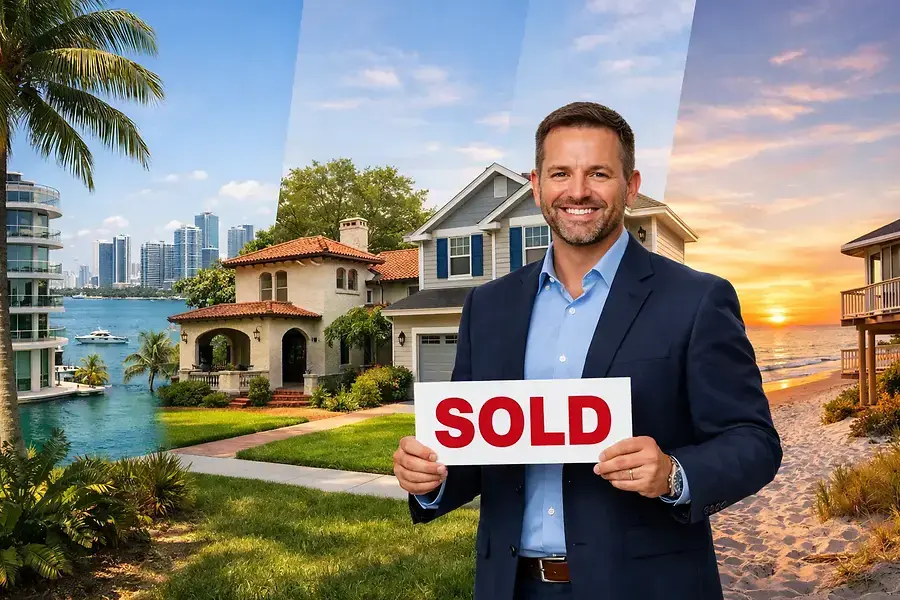
Understanding the Four Markets: Location-Specific Advantages and Price Trends
Florida's real estate landscape is as diverse as its geography, with each major market offering unique advantages for homebuyers. Understanding these distinctions is crucial for making an informed investment decision.
Miami: The Luxury and International Hub
Miami remains one of the most sought-after markets in the nation, attracting international buyers and luxury investors. The market is characterized by high-end waterfront properties, vibrant neighborhoods, and strong appreciation potential. Expect competitive bidding wars and premium pricing, particularly in areas like Brickell, Wynwood, and Coral Gables. The median home prices reflect the market's prestige, though more affordable options exist in emerging neighborhoods.
Tampa: The Affordable Growth Market
Tampa has emerged as a more affordable alternative to Miami while maintaining strong growth potential. The city offers excellent value for money, with expanding job markets in healthcare, technology, and finance. Neighborhoods like Hyde Park and South Tampa provide charm and walkability, while suburban areas offer family-friendly communities at reasonable prices. This market appeals to both first-time buyers and investors seeking solid returns.
Orlando: The Family-Friendly Destination
Known for its family-oriented appeal and tourism industry, Orlando offers diverse neighborhoods, excellent schools, and reasonable pricing. The market has experienced steady growth, with strong demand from families relocating to Florida. Areas like Winter Park and Windermere offer upscale living, while communities throughout the region provide affordable options for budget-conscious buyers.
Fort Myers: The Emerging Gem
Fort Myers represents one of Florida's most undervalued markets with significant growth potential. Located on the Gulf Coast, it combines beach lifestyle with affordability. The market has attracted investors and retirees seeking a slower pace of life without sacrificing modern amenities. Waterfront properties and golf communities are particularly popular in this region.
Essential Steps to Prepare Your Finances and Get Pre-Approved
Assess Your Financial Situation
Before beginning your home search, conduct a thorough financial review. Calculate your total savings, outstanding debts, and monthly income. This foundation will help you understand your realistic budget and borrowing capacity. Consider consulting with a financial advisor to optimize your financial position before applying for a mortgage.
Check Your Credit Score
Your credit score significantly impacts your mortgage terms and interest rates. Obtain your credit report from all three bureaus and address any errors or outstanding issues. A score above 740 typically qualifies for the best rates, while scores below 620 may face challenges. Allow time to improve your score if necessary before applying for pre-approval.
Get Pre-Approved for a Mortgage
Pre-approval is essential and demonstrates your seriousness to sellers. Contact multiple lenders to compare rates and terms. The pre-approval process involves:
- Submitting financial documentation (pay stubs, tax returns, bank statements)
- Undergoing a credit check
- Receiving a pre-approval letter stating your maximum borrowing amount
- Understanding your monthly payment obligations
Having this documentation ready accelerates the process and strengthens your negotiating position.
Save for Down Payment and Closing Costs
While down payment requirements vary, saving 10-20% of the purchase price is ideal. Additionally, budget for closing costs, which typically range from 2-5% of the home's purchase price. These costs include appraisals, inspections, title insurance, and attorney fees. Understanding these expenses prevents financial surprises at closing.
Working with a Local Real Estate Agent to Find Your Perfect Home
Why Local Expertise Matters
A knowledgeable local agent is invaluable when navigating Florida's diverse markets. Local agents understand neighborhood trends, school ratings, property values, and market dynamics that national databases cannot fully capture. They provide insights into upcoming developments, traffic patterns, and community amenities that affect long-term satisfaction and property appreciation.
Selecting the Right Agent
Choose an agent with proven experience in your target market and price range. Interview multiple candidates and ask about their:
- Years of experience in the specific market
- Recent sales and client testimonials
- Marketing strategies and technology tools
- Availability and communication style
- Knowledge of financing options and negotiation tactics
A strong agent-client relationship built on trust and communication is essential for a successful purchase.
The Home Search Process
Your agent will help you identify properties matching your criteria, arrange showings, and provide comparative market analysis. Be prepared to view multiple properties and remain flexible. In competitive markets like Miami, homes can sell quickly, so having your finances in order and knowing your priorities accelerates decision-making.
Making an Offer and Closing the Deal in Your Chosen Market
Crafting a Competitive Offer
When you find the right property, your agent will help you prepare an offer. Consider the market conditions, comparable sales, and property condition when determining your offer price. In seller's markets, offering above asking price may be necessary. Include contingencies for:
- Home inspection
- Appraisal
- Financing approval
- Title review
These protections ensure you have exit strategies if issues arise.
Negotiation and Acceptance
Expect counteroffers, particularly in competitive markets. Remain flexible on price, closing date, and contingencies to strengthen your position. Your agent will guide negotiations, helping you understand when to hold firm and when to compromise. Once both parties agree on terms, you'll move toward closing.
The Closing Process
Closing typically occurs 30-45 days after offer acceptance. During this period:
- The lender orders an appraisal and finalizes your mortgage
- A title company conducts a thorough title search
- A home inspection identifies any structural or mechanical issues
- Final walkthrough confirms agreed-upon repairs are completed
- You review and sign closing documents
Review all closing documents carefully and ask questions about any unfamiliar terms or fees. Your real estate attorney or title company representative will explain each document's purpose.
Final Steps to Homeownership
At closing, you'll transfer funds for down payment and closing costs, sign the deed, and receive the keys to your new Florida home. Ensure homeowner's insurance is in place before closing, and update your address with relevant institutions. Congratulations—you're now a Florida homeowner!
Purchasing a home in Florida is an exciting journey that requires preparation, patience, and expert guidance. By understanding your chosen market, preparing your finances, working with experienced professionals, and approaching negotiations strategically, you'll be well-positioned to find your perfect Florida home.


