Florida Home Values: What's Driving Prices Across Six Major Markets
Discover how economic trends, location, and market conditions are reshaping home prices in Ocala, Miami, Orlando, Tampa, Naples, and Jacksonville.

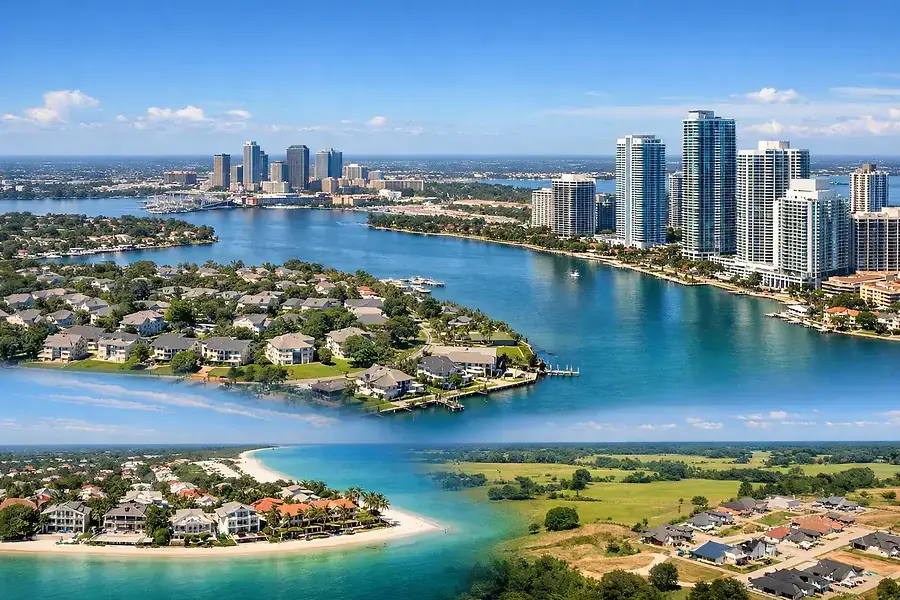
Introduction: Understanding Florida's Diverse Real Estate Landscape
Florida's real estate market is as diverse as its geography, stretching from the bustling coastal cities of Miami and Naples to the growing inland markets of Ocala and Orlando. Each region tells a unique story about supply, demand, and the economic forces shaping home values. Whether you're a first-time homebuyer, an investor, or someone considering relocating to the Sunshine State, understanding what drives prices in different Florida markets is essential for making informed decisions.
The state's housing market has experienced significant shifts in recent years, with some areas experiencing rapid appreciation while others maintain more stable growth patterns. This article explores the key factors influencing home values across six major Florida markets and provides insights into regional price comparisons.
Key Factors Influencing Home Values Across Florida's Markets
Population Growth and Migration Trends
Florida continues to attract residents from across the nation, driven by favorable tax policies, warm weather, and diverse employment opportunities. This influx of new residents has created sustained demand for housing, particularly in markets like Tampa, Orlando, and Jacksonville, which have experienced robust population growth. The migration patterns vary by market, with retirees favoring coastal areas like Naples and Miami, while younger professionals increasingly choose inland cities with lower costs of living.
Economic Development and Job Creation
Employment opportunities significantly impact home values in each market. Orlando's tech sector expansion has driven demand for residential properties, while Tampa's diverse economy spanning healthcare, finance, and tourism supports steady housing demand. Jacksonville's growing logistics and military presence provides economic stability, whereas Miami's international business hub status attracts high-net-worth individuals. Ocala's agricultural heritage combined with emerging healthcare and light manufacturing sectors creates a unique economic profile that influences its real estate market.
Supply and Inventory Levels
The availability of homes for sale directly impacts pricing across all six markets. Areas with limited inventory, such as Naples and Miami, tend to experience higher price appreciation due to increased competition among buyers. Conversely, markets with more balanced inventory levels, like Ocala and Jacksonville, may offer more negotiating power to purchasers. Construction rates and land availability also play crucial roles in determining whether prices will continue climbing or stabilize.
Interest Rates and Financing Conditions
Mortgage rates significantly influence buyer purchasing power and market activity. Higher interest rates reduce the amount buyers can afford, potentially cooling demand in price-sensitive markets. Lower rates stimulate activity and can drive prices upward. This factor affects all six markets equally, though the impact varies depending on each region's price point and buyer demographics.
Climate and Natural Disaster Considerations
Florida's hurricane season and flood risks impact home values and insurance costs. Coastal properties in Miami and Naples face higher insurance premiums and greater exposure to storm damage, which can affect their long-term value appreciation. Inland markets like Ocala and Orlando experience lower insurance costs and reduced weather-related risks, making them increasingly attractive to risk-conscious buyers.
Regional Price Comparisons: From Coastal to Central Florida
Miami: The Premium Coastal Market
Miami remains Florida's most expensive market, with home prices reflecting its status as an international business center and luxury destination. The market attracts foreign investors and wealthy individuals seeking waterfront properties and urban amenities. Prices in Miami are significantly higher than inland markets, though the market has shown more volatility due to its exposure to economic cycles and climate risks.
Naples: Luxury Living on the Gulf Coast
Naples has emerged as a premier luxury market, with prices comparable to or exceeding Miami in certain segments. The area's upscale amenities, pristine beaches, and strong appeal to retirees drive consistent demand. However, the market is more specialized, catering primarily to high-end buyers, which can limit overall transaction volume.
Tampa: The Balanced Growth Market
Tampa offers a middle ground between coastal luxury and inland affordability. The market has experienced steady appreciation driven by population growth and economic diversification. Prices are more accessible than Miami or Naples, making Tampa attractive to middle-income families and investors seeking value with growth potential.
Orlando: The Tech-Driven Hub
Orlando's transformation into a technology and innovation center has accelerated home price growth. The market attracts young professionals and families seeking employment opportunities and a lower cost of living compared to coastal cities. Prices remain more moderate than Miami or Naples, but appreciation rates have been impressive in recent years.
Jacksonville: The Emerging Opportunity Market
Jacksonville offers the most affordable entry point among these six markets, with home prices significantly lower than coastal alternatives. The city's growing economy, military presence, and expanding job market create strong fundamentals for future appreciation. Investors and first-time homebuyers often find Jacksonville attractive for its value proposition.
Ocala: The Hidden Gem
Ocala represents an emerging market with strong growth potential and the most affordable prices among the six regions. The area's rural charm, agricultural heritage, and improving infrastructure attract buyers seeking affordability and a slower pace of life. As development continues and economic opportunities expand, Ocala may experience significant appreciation in coming years.
Conclusion: Positioning Yourself in Florida's Dynamic Housing Market
Florida's real estate market offers diverse opportunities across six distinct regions, each with unique characteristics and investment potential. Coastal markets like Miami and Naples cater to luxury buyers and those seeking premium locations, while inland markets like Ocala and Jacksonville provide affordability and growth potential. Tampa and Orlando occupy the middle ground, offering balanced growth with reasonable pricing.
When considering a Florida property purchase or investment, evaluate your priorities:
- Budget and financing capacity
- Desired lifestyle and amenities
- Employment opportunities and economic stability
- Climate and natural disaster risk tolerance
- Long-term appreciation potential versus immediate affordability
Understanding the factors driving home values in each market empowers you to make strategic decisions aligned with your financial goals and lifestyle preferences. Whether you're drawn to Miami's vibrant urban energy, Naples' coastal luxury, Tampa's balanced growth, Orlando's tech-driven innovation, Jacksonville's emerging opportunities, or Ocala's affordable charm, Florida's diverse real estate landscape offers something for every buyer and investor.


