For-Sale-By-Owner Homes: Master the Complete Selling Process Yourself
Learn the essential steps, legal requirements, and marketing strategies for successfully selling residential property independently.

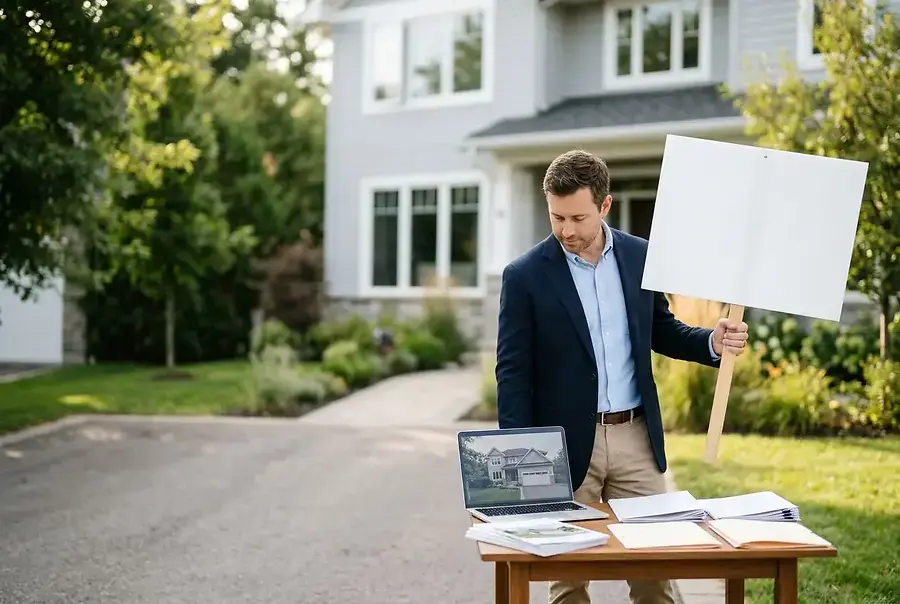
The Rise of For-Sale-By-Owner (FSBO) Properties
Selling your home without a real estate agent, commonly known as For-Sale-By-Owner (FSBO), has become an increasingly popular option for homeowners looking to maximize their profits and maintain control over the selling process. With the rise of digital marketing tools and online listing platforms, more sellers are taking the leap to handle their own transactions.
The primary motivation for many FSBO sellers is financial savings. Traditional real estate commissions typically range from 5-6% of the sale price, which can amount to tens of thousands of dollars. By eliminating the middleman, you retain more equity in your home. However, success requires careful planning, market knowledge, and dedication to the process.
Setting the Right Price: Comparable Market Analysis and Valuation Methods
Understanding Comparable Market Analysis (CMA)
The foundation of any successful home sale begins with accurate pricing. Overpricing your home will deter buyers, while underpricing leaves money on the table. The most effective approach is conducting a Comparable Market Analysis (CMA).
To perform a CMA, research recently sold properties in your neighborhood with similar characteristics:
- Square footage and lot size
- Number of bedrooms and bathrooms
- Age and condition of the property
- Recent upgrades and renovations
- Location and proximity to amenities
Valuation Methods
Beyond CMA, consider these additional valuation approaches:
- Online Valuation Tools: Websites like Zillow, Redfin, and Trulia provide automated estimates, though they should be used as starting points only.
- Professional Appraisals: Hiring a certified appraiser ($300-500) provides an objective, detailed assessment that carries weight with potential buyers and lenders.
- Cost Approach: Calculate the land value plus construction costs minus depreciation for newer properties.
Pro tip: Price slightly below market value to generate buyer interest and create competitive bidding situations.
Marketing Your Home: Photography, Online Listings, and Open House Tactics
Professional Photography and Visual Presentation
In today's digital marketplace, high-quality photography is non-negotiable. Most buyers begin their search online, and compelling images are your first impression.
- Hire a professional photographer experienced in real estate ($200-500)
- Schedule shoots during optimal lighting conditions (golden hour)
- Stage rooms to highlight space and potential
- Include exterior shots, landscaping, and neighborhood features
- Consider virtual tours or 3D walkthroughs for added appeal
Creating Effective Online Listings
Your online listing is your primary marketing tool. Ensure it includes:
- Detailed property description highlighting unique features
- Complete list of amenities and recent improvements
- Accurate square footage, lot size, and room dimensions
- Information about schools, utilities, and neighborhood
- Clear contact information and showing instructions
Post your listing on multiple platforms: Zillow, Redfin, Facebook Marketplace, Craigslist, and local real estate websites. Each platform reaches different buyer demographics.
Hosting Successful Open Houses
Open houses generate interest and allow multiple buyers to view simultaneously. To maximize effectiveness:
- Schedule during peak hours (Saturday/Sunday afternoons)
- Deep clean and stage every room
- Provide refreshments and create a welcoming atmosphere
- Have sign-in sheets to collect buyer information
- Be prepared to answer questions about the property and neighborhood
- Follow up with interested buyers within 24 hours
Navigating Legalities and Closing: Documents, Contracts, and Final Steps
Essential Legal Documents
Selling a home involves substantial legal documentation. Consult with a real estate attorney to ensure compliance with local regulations. Key documents include:
- Purchase Agreement: The binding contract outlining terms, price, and contingencies
- Disclosure Forms: Required statements about property condition, defects, and hazards
- Title Documents: Proof of ownership and any liens or encumbrances
- Inspection Reports: Professional assessments of property condition
- Closing Disclosure: Final financial summary provided three days before closing
Understanding Contingencies and Negotiations
Most purchase agreements include contingencies that protect buyers:
- Inspection Contingency: Allows buyers to conduct inspections and request repairs
- Appraisal Contingency: Protects buyers if the appraisal comes in lower than the offer price
- Financing Contingency: Allows buyers to back out if mortgage approval is denied
Be prepared to negotiate on these terms. Flexibility often leads to successful deals.
The Closing Process
Closing is the final step where ownership transfers to the buyer. Prepare for:
- Final walkthrough inspection by the buyer
- Signing closing documents at a title company or attorney's office
- Receiving the final proceeds after all costs and fees are deducted
- Transferring utilities and updating property records
Important: Budget for closing costs, which typically range from 1-3% of the sale price and may include title insurance, recording fees, and transfer taxes.
Weighing the Benefits and Challenges of Selling Solo
Key Advantages
FSBO selling offers significant benefits for prepared homeowners:
- Save 5-6% in real estate commissions
- Maintain complete control over the selling process
- Direct communication with potential buyers
- Flexibility in scheduling and negotiations
Real Challenges to Consider
However, FSBO selling requires substantial time and expertise:
- Pricing errors can cost thousands in lost equity
- Marketing requires significant effort and investment
- Legal complexities demand professional guidance
- Emotional involvement can cloud judgment in negotiations
- Limited access to MLS listings reduces buyer exposure
Final Thoughts
Selling your home without an agent is achievable with proper preparation and realistic expectations. Invest in professional help where it matters most—photography, appraisals, and legal counsel—while handling other aspects yourself. Success depends on thorough market research, strategic marketing, and willingness to learn the process. For many homeowners, the financial savings and control justify the extra effort required.


