Fort Lauderdale's Guide to Investing in Mixed-Use Properties
Discover how commercial-residential properties are transforming investment opportunities in South Florida's most dynamic market.

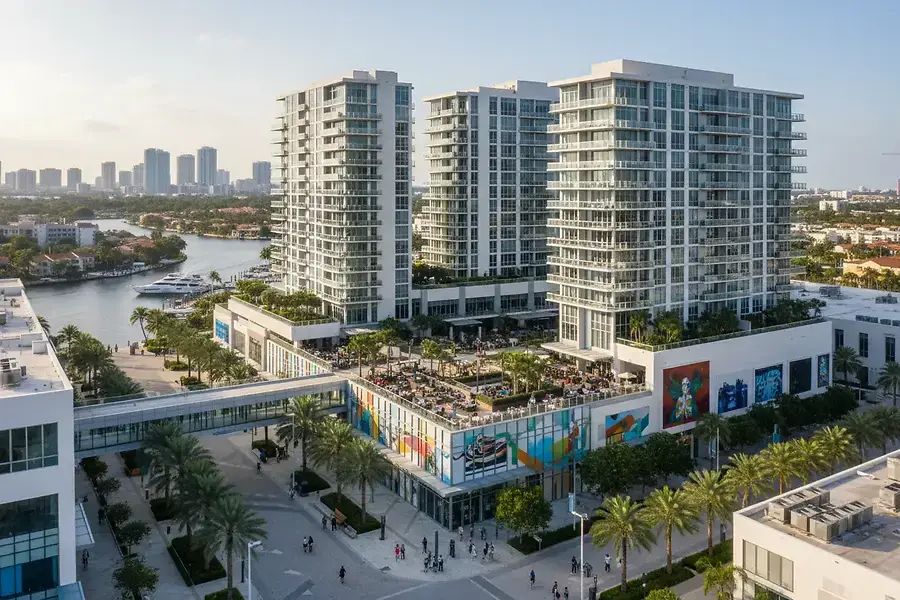
The Rise of Mixed-Use Real Estate in Fort Lauderdale
Fort Lauderdale's real estate landscape is undergoing a remarkable transformation. Mixed-use properties—developments that combine residential, commercial, and retail spaces—are reshaping how investors approach the South Florida market. This shift reflects broader trends in urban development, where walkable communities and integrated spaces are increasingly valued by both residents and businesses.
The city's strategic location, thriving economy, and growing population have created an ideal environment for mixed-use development. Investors are capitalizing on this momentum, recognizing that properties combining multiple revenue streams offer greater resilience and profit potential than single-use investments.
What makes Fort Lauderdale particularly attractive is its established infrastructure, proximity to major employment centers, and the influx of young professionals and families seeking vibrant urban living. The waterfront district, downtown core, and emerging neighborhoods all present compelling opportunities for those willing to understand this complex but rewarding investment category.
Understanding the Benefits of Mixed-Use Property Investments
Diversified Revenue Streams
One of the most compelling advantages of mixed-use properties is revenue diversification. Rather than relying on a single tenant or market segment, these properties generate income from multiple sources. Residential units provide stable, long-term rental income, while commercial and retail spaces offer potentially higher yields and shorter lease terms.
This diversification acts as a financial buffer. If retail occupancy dips, residential income remains steady. When commercial demand surges, property values appreciate across the entire development.
Enhanced Property Values and Appreciation
Mixed-use properties in Fort Lauderdale have demonstrated strong appreciation potential. The combination of residential demand and commercial viability creates a compelling value proposition that attracts both owner-occupants and institutional investors. Properties in prime locations often appreciate faster than single-use alternatives.
Meeting Market Demand
Today's consumers and businesses increasingly prefer integrated environments. Residents want walkable neighborhoods with shops, restaurants, and services nearby. Businesses seek locations where employees can live, work, and enjoy leisure activities. Mixed-use properties fulfill these desires, creating competitive advantages in tenant recruitment and retention.
Operational Efficiency
Managing a mixed-use property allows for economies of scale. A single management team handles maintenance, security, and operations across all components. Shared amenities and infrastructure reduce per-unit costs while enhancing the overall tenant experience.
Navigating Zoning Laws and Financing Options for Dual-Purpose Properties
Understanding Fort Lauderdale's Zoning Framework
Before investing in mixed-use properties, understanding local zoning regulations is essential. Fort Lauderdale has specific zoning districts that permit mixed-use development, including downtown zones and designated mixed-use corridors. The city's comprehensive plan actively encourages this type of development.
Key considerations include:
- Permitted uses: Verify that your intended mix of residential, commercial, and retail is allowed in your target zone
- Density requirements: Understand floor-area ratios (FAR) and height restrictions that affect development potential
- Parking standards: Mixed-use properties often benefit from reduced parking requirements due to shared usage patterns
- Setback and buffer requirements: Know how building placement regulations affect your project design
Working with a local real estate attorney and planning consultant is highly recommended. These professionals can navigate the approval process and identify opportunities for variances or incentives.
Financing Mixed-Use Properties
Financing mixed-use properties requires a different approach than traditional single-use investments. Lenders must evaluate multiple income streams and market segments, making the underwriting process more complex.
Conventional Financing
Traditional banks and mortgage lenders increasingly offer mixed-use financing. These loans typically require:
- Detailed financial projections for each property component
- Proof of pre-leasing or letters of intent from major tenants
- Experience with similar projects
- Substantial down payments (often 20-30%)
Commercial Real Estate Loans
Commercial lenders often provide more flexible terms for mixed-use properties. These loans may offer longer amortization periods and interest-only options that align with development timelines and cash flow patterns.
Construction and Bridge Financing
For development projects, construction loans bridge the gap between acquisition and stabilization. Bridge financing allows investors to secure properties while arranging permanent financing. These short-term solutions are crucial for active developers in Fort Lauderdale's competitive market.
Maximizing Returns Through Strategic Planning
Successful mixed-use investors focus on:
- Market analysis: Understanding demand for each component in your target location
- Tenant mix optimization: Selecting complementary uses that enhance overall property appeal
- Phased development: Building components sequentially to manage cash flow and risk
- Adaptive reuse: Converting underutilized buildings into vibrant mixed-use spaces
The key is viewing your property as an integrated ecosystem rather than separate rental streams.
Positioning Yourself for Success in Fort Lauderdale's Hybrid Market
Fort Lauderdale's mixed-use real estate market offers exceptional opportunities for informed investors. Success requires understanding local market dynamics, zoning regulations, and financing options. But beyond these technical considerations, the best investors recognize that mixed-use properties are about creating communities.
Properties that combine residential comfort with commercial vitality and retail convenience create places where people want to live and work. In Fort Lauderdale, where demand for such environments continues growing, this translates directly to investment returns.
The future of Fort Lauderdale's real estate market is undoubtedly mixed-use. Whether you're an experienced investor or exploring real estate for the first time, understanding this property category positions you to capitalize on one of South Florida's most dynamic investment trends. Start by researching specific neighborhoods, connecting with local professionals, and analyzing potential properties through the lens of integrated value creation.
The opportunities are substantial for those ready to embrace this evolving market.


