Fort Worth Home Inspections: A Buyer's Complete Guide to Protection
Learn what to expect during the inspection process and how to use findings to negotiate confidently in Fort Worth's competitive real estate market.

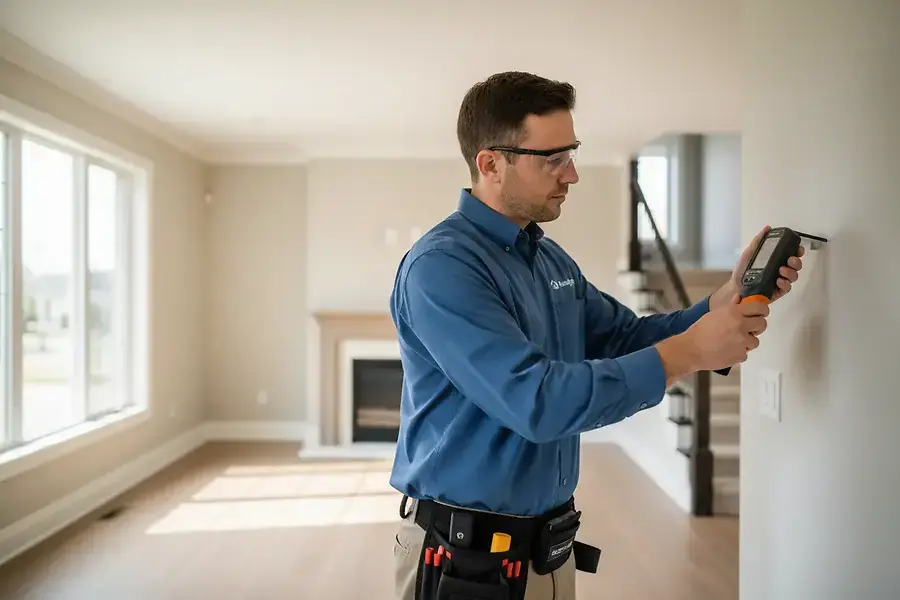
Why Home Inspections Matter: The Foundation of Informed Buying Decisions
Purchasing a home is one of the most significant investments you'll make in your lifetime. In Fort Worth's competitive real estate market, where properties move quickly and bidding wars are common, a professional home inspection serves as your essential safeguard. An inspection provides an objective, detailed assessment of a property's condition before you commit to the purchase.
A thorough home inspection protects you by:
- Uncovering hidden problems that aren't visible during a casual walkthrough
- Identifying costly repairs that could impact your budget and long-term ownership
- Providing documentation of the property's condition for future reference
- Giving you leverage in negotiations with the seller
- Offering peace of mind that you're making an informed decision
In Fort Worth's fast-paced market, skipping an inspection or rushing through one can lead to expensive surprises after closing. A comprehensive inspection is your opportunity to verify that the property matches the asking price and your expectations.
What to Expect During a Fort Worth Home Inspection
The Inspection Timeline and Process
A typical home inspection in Fort Worth lasts two to four hours, depending on the property's size and age. Your inspector will systematically evaluate every major system and component of the home. You're encouraged to be present during the inspection—this is your chance to ask questions and learn about the property directly from the professional.
Key Areas Inspectors Evaluate
Professional inspectors examine:
- Structural components: Foundation, framing, and roof condition
- Exterior elements: Siding, windows, doors, and drainage systems
- Roofing: Age, condition, and remaining lifespan
- HVAC systems: Heating, cooling, and ventilation functionality
- Plumbing: Water pressure, drainage, and potential leaks
- Electrical systems: Panel condition, outlets, and safety compliance
- Interior features: Walls, ceilings, flooring, and appliances
- Attic and basement: Insulation, ventilation, and moisture issues
The Inspection Report
After the inspection, you'll receive a detailed report within 24-48 hours. This comprehensive document includes photographs, descriptions of findings, and categorizations of issues by severity. The report becomes your roadmap for negotiations and future planning.
Red Flags and How to Address Inspection Findings
Understanding Severity Levels
Not all inspection findings are created equal. Inspectors typically categorize issues as:
- Critical: Safety hazards or major structural problems requiring immediate attention
- Major: Significant repairs needed that could be expensive
- Minor: Small issues that are good to know about but not urgent
- Maintenance: Routine upkeep recommendations
Common Red Flags in Fort Worth Homes
Fort Worth's climate and aging housing stock mean certain issues appear frequently:
- Foundation problems: Cracks or settling due to clay soil conditions
- Roof damage: Wear from Texas heat and occasional severe weather
- HVAC inefficiency: Systems struggling with extreme temperature swings
- Water intrusion: Leaks in older homes or poor drainage systems
- Outdated electrical: Insufficient capacity in older properties
Addressing Findings Strategically
When you receive your inspection report, resist the urge to panic. Instead, take these steps:
- Prioritize issues: Focus on critical and major findings first
- Get estimates: Obtain repair quotes from licensed contractors for significant issues
- Research solutions: Understand whether issues require replacement or repair
- Document everything: Keep all estimates and inspection photos organized
Moving Forward: Using Inspection Results to Negotiate and Close with Confidence
Negotiation Strategies
Your inspection report is a powerful negotiation tool in Fort Worth's competitive market. You have several options:
- Request repairs: Ask the seller to fix critical issues before closing
- Negotiate credits: Request a credit toward closing costs to handle repairs yourself
- Price reduction: Ask for a lower purchase price to account for repair costs
- Walk away: Use inspection contingencies to exit the deal if issues are severe
"In Fort Worth's market, inspection findings give you the data you need to negotiate from a position of strength rather than emotion."
Timing and Contingencies
Most Fort Worth purchase agreements include an inspection contingency period—typically 7-10 days. This window is critical. Review your report promptly, communicate with your real estate agent, and submit any repair requests or renegotiation proposals before the deadline expires. Missing this window eliminates your leverage.
Final Walk-Through and Closing
Before closing, conduct a final walk-through to verify that any agreed-upon repairs were completed satisfactorily. Check that agreed-upon items are still in the home and that no new damage has occurred. This final verification ensures you're closing on the property in the condition you negotiated.
Building Your Post-Purchase Plan
Your inspection report doesn't end at closing—it's a valuable resource for homeownership. Use it to:
- Schedule maintenance: Plan routine upkeep based on inspector recommendations
- Budget for repairs: Prioritize and plan for necessary improvements
- Track systems: Keep records of when major systems were serviced
- Plan upgrades: Identify which improvements add value to your investment
Conclusion: Confidence Through Knowledge
A professional home inspection transforms you from a passive buyer into an informed decision-maker. In Fort Worth's dynamic real estate market, this knowledge is your greatest asset. By understanding what inspectors look for, recognizing red flags, and strategically using findings in negotiations, you protect your investment and close with confidence. Don't let the competitive pressure of Fort Worth's market rush you through this critical step. Your inspection is your protection—use it wisely.


