Fort Worth Home Inspections: Essential Guide for Smart Buyers
Discover the critical inspection checklist that protects your investment and uncovers hidden issues before closing.

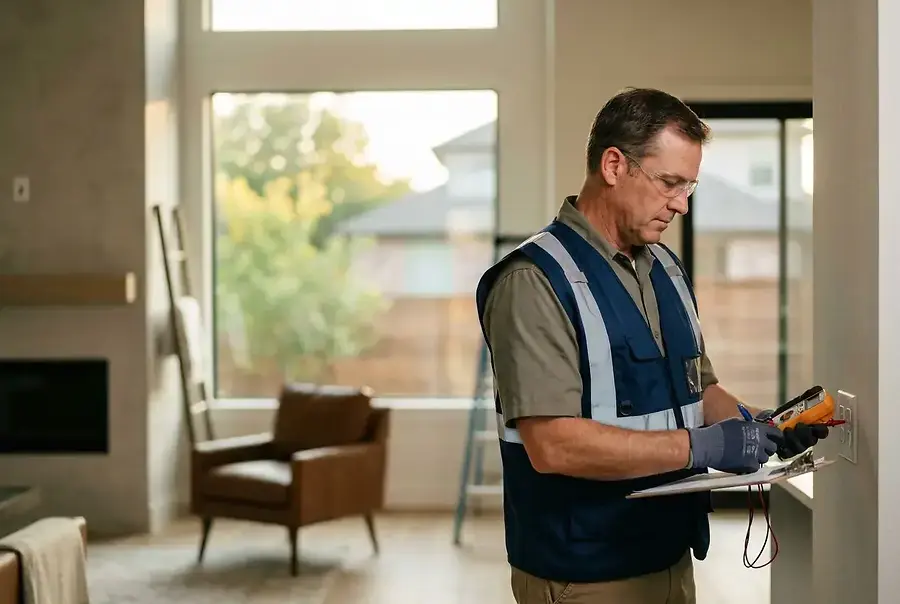
Understanding the Home Inspection Process
A home inspection is one of the most important steps in the home-buying process. It's a thorough examination of a property's physical structure and systems, conducted by a licensed professional inspector. In Fort Worth, this process typically takes 2-4 hours, depending on the home's size and age.
During the inspection, the inspector will evaluate the overall condition of the property and identify any potential issues that could affect its value or safety. This is your opportunity to uncover hidden problems before you commit to the purchase. The inspection is non-invasive and doesn't require any special preparation from the seller.
As a buyer, you have the right to be present during the inspection. Many experts recommend attending so you can ask questions and understand the property's condition firsthand. This hands-on approach helps you make a more informed decision about your investment.
Key Areas Inspectors Examine
Structural Components
Inspectors carefully examine the foundation, walls, and roof structure. They look for signs of settling, cracks, water damage, or structural deterioration. A compromised foundation can be one of the most expensive issues to repair, making this assessment critical for your investment protection.
Roofing and Exterior
The roof is inspected for missing shingles, leaks, and overall condition. Inspectors also evaluate:
- Gutters and downspouts
- Siding and exterior walls
- Windows and doors
- Drainage systems around the property
Plumbing Systems
Inspectors test water pressure, check for leaks, and examine pipes for corrosion or damage. They verify that all fixtures function properly and assess the water heater's condition and age. Plumbing issues can lead to water damage and mold growth if left unaddressed.
Electrical Systems
The electrical panel, wiring, outlets, and switches are inspected for safety and code compliance. Inspectors look for outdated systems, potential fire hazards, and improper installations that could pose risks to your family.
HVAC Systems
Heating, ventilation, and air conditioning systems are tested for proper operation. Inspectors evaluate the age of equipment and assess whether repairs or replacements may be needed soon. This is especially important in Fort Worth's hot climate.
Interior Components
Inspectors examine:
- Walls, ceilings, and floors for damage
- Insulation and ventilation
- Appliances included in the sale
- Doors and windows functionality
- Signs of pest infestation or water damage
How to Review and Interpret Inspection Reports
Understanding the Report Format
Home inspection reports typically include photographs, detailed descriptions, and severity ratings for identified issues. Most reports categorize findings as major concerns, minor concerns, or maintenance recommendations.
Don't be alarmed if your inspection report identifies issues—most homes have some problems. The key is understanding which issues are deal-breakers and which are manageable.
Prioritizing Issues
Not all inspection findings require immediate action. Focus on:
- Safety hazards: Electrical issues, structural problems, or mold
- Major systems: Roof, foundation, plumbing, and HVAC
- Water intrusion: Leaks or moisture problems that could worsen
- Cosmetic issues: Paint, flooring, or minor repairs can often wait
Negotiating Based on Findings
Armed with your inspection report, you have several options:
- Request the seller make repairs before closing
- Ask for a price reduction to cover repair costs
- Request a credit at closing for repairs you'll handle yourself
- Walk away if major issues make the property a poor investment
Work with your real estate agent to determine which approach makes the most sense for your situation. Remember, you have leverage during this period, so use your inspection findings strategically.
Next Steps After Your Inspection
Schedule a Follow-Up Inspection
For significant issues, consider hiring a specialist. A structural engineer, electrician, or plumber can provide detailed assessments and repair estimates. This investment often pays for itself through better negotiating power.
Review Your Contingencies
Most purchase agreements include an inspection contingency—a period during which you can request repairs or walk away without penalty. Understand your contingency timeline and don't miss important deadlines.
Make Your Decision
After reviewing the inspection report and any specialist evaluations, decide whether to proceed with the purchase, request repairs, or renegotiate the price. This decision should be based on the severity of issues, repair costs, and your comfort level with the property's condition.
Plan for Future Maintenance
Even if the inspection reveals no major issues, use the report as a maintenance guide. Understanding your home's systems and their condition helps you plan for future repairs and replacements. This proactive approach protects your investment long-term.
A thorough home inspection is your best defense against costly surprises after closing. By understanding the inspection process, knowing what inspectors examine, and properly interpreting the results, you'll make a confident, informed decision about your Fort Worth home purchase.