Fort Worth Home Inspections: Everything Buyers Need to Know Before Closing
Discover the critical steps in a home inspection and how to avoid costly surprises before closing on your Fort Worth property.

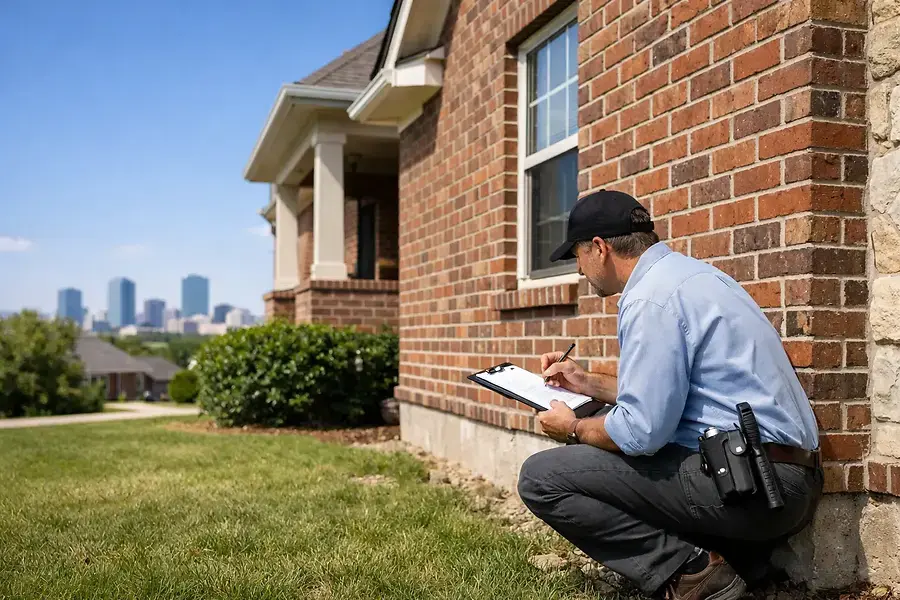
Understanding the Home Inspection Process in Fort Worth
A home inspection is one of the most important steps in the home buying process. This thorough examination of a property's structural integrity, systems, and overall condition can reveal potential issues before you commit to the purchase. In Fort Worth, most home inspections take between two to four hours, depending on the property's size and age.
What Happens During an Inspection
A certified home inspector will examine virtually every aspect of your potential new home. They'll evaluate the foundation, roof, walls, windows, doors, plumbing systems, electrical systems, HVAC units, and appliances. The inspector will also check for signs of water damage, pest infestations, and structural problems that might not be immediately visible to the untrained eye.
Key areas inspected include:
- Foundation and structural components
- Roofing materials and condition
- Exterior walls and siding
- Windows and doors
- Plumbing and water systems
- Electrical systems and panels
- Heating and cooling systems
- Insulation and ventilation
- Interior walls and ceilings
- Appliances and fixtures
As a buyer, you have the right to be present during the inspection. Many experts recommend attending to ask questions and understand the property's condition firsthand. This is your opportunity to learn about maintenance requirements and potential future expenses.
Common Issues Found in Fort Worth Residential Properties
Fort Worth's climate and construction styles mean certain issues appear more frequently than others. Understanding these common problems can help you recognize red flags during your inspection.
Foundation and Structural Issues
The Texas heat and occasional drought conditions can cause soil movement, leading to foundation settling or cracking. While minor cracks are normal, significant structural damage requires professional assessment and can be expensive to repair. Fort Worth homes built on expansive clay soil are particularly susceptible to these issues.
Roof and Water Damage
Severe weather, including hail and heavy rains, can damage roofing materials. Water intrusion is a serious concern that can lead to mold growth, wood rot, and insulation damage. Inspectors pay special attention to roof condition, flashing, and signs of previous water damage in attics and upper floors.
HVAC System Problems
Given Fort Worth's hot summers and occasional cold winters, air conditioning and heating systems work overtime. Older units may be inefficient or nearing the end of their lifespan. Inspectors evaluate system age, maintenance history, and functionality to estimate remaining useful life.
Plumbing and Water Quality
Older homes may have outdated plumbing materials like galvanized pipes or polybutylene, which can fail over time. Hard water is common in the Fort Worth area, which can affect pipe longevity and appliance performance. Inspectors test water pressure and look for leaks or corrosion.
How to Interpret Your Inspection Report and Negotiate Repairs
After the inspection, you'll receive a detailed report documenting the inspector's findings. Understanding this report is crucial for making informed decisions about your purchase.
Reading Your Inspection Report
Most inspection reports categorize findings by severity: critical issues that pose safety risks, major concerns requiring significant repairs, and minor issues that are cosmetic or low-priority. The report typically includes photos, descriptions of problems, and recommendations for further evaluation by specialists.
Don't panic if your report lists multiple items. Every home has some issues. The key is understanding which problems are deal-breakers and which are manageable.
Negotiating Repairs and Credits
Once you have the inspection report, you have several options:
- Request repairs: Ask the seller to fix critical issues before closing
- Request credits: Negotiate a reduction in the purchase price to cover repairs yourself
- Request inspections: Ask for specialized inspections on specific systems (electrical, plumbing, foundation)
- Walk away: Use inspection findings as grounds to terminate the contract if issues are severe
Be strategic in your negotiations. Focus on major structural, safety, and system issues rather than minor cosmetic problems. Sellers are more likely to negotiate on items that affect the home's safety and functionality. Document everything in writing to ensure clarity and protect yourself legally.
When to Call in Specialists
If the general inspection reveals potential problems with the foundation, electrical system, or roof, consider hiring specialized inspectors. These experts can provide detailed assessments and repair estimates that strengthen your negotiating position.
Closing Confidently: Next Steps After Your Inspection
The inspection is just one step in the closing process. Here's how to move forward with confidence.
Create an Action Plan
Based on your inspection report and negotiations, develop a clear action plan. Know which repairs the seller will complete, which you'll handle after closing, and which you'll address later. This clarity prevents surprises and keeps the closing process on track.
Final Walk-Through
Before closing, conduct a final walk-through of the property. Verify that agreed-upon repairs have been completed satisfactorily. Check that the home is in the expected condition and that no new damage has occurred since your inspection.
Review Your Closing Documents
Carefully review all closing documents, including the final inspection report summary and any repair agreements. Ensure everything matches your negotiations and expectations. Your real estate agent and attorney can help clarify any confusing terms.
Plan for Future Maintenance
Don't let the inspection end with closing day. Use the inspector's recommendations to create a maintenance schedule for your new home. Regular maintenance prevents small issues from becoming expensive problems and protects your investment long-term.
A home inspection is your best defense against costly surprises. By understanding the process, recognizing common Fort Worth issues, and negotiating effectively, you'll close on your new home with confidence and peace of mind.


