Gainesville Home Inspection: Essential Checks Before You Buy
Learn what professional home inspectors look for and why this critical step protects your investment in Gainesville's residential market.

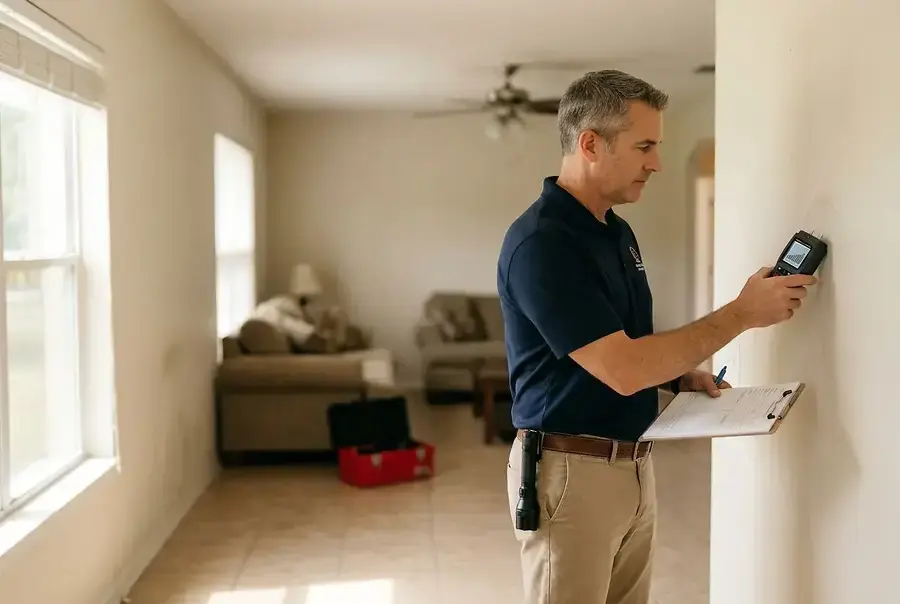
Understanding the Home Inspection Process and Why It Matters
A home inspection is one of the most critical steps in the home-buying process, yet many buyers underestimate its importance. When purchasing a property in Gainesville, a professional home inspection serves as your objective assessment of the property's condition before you commit to the purchase. This thorough evaluation can reveal hidden issues that could cost thousands of dollars to repair after closing.
The inspection process typically takes two to four hours, depending on the home's size and complexity. During this time, a certified home inspector will systematically examine the property's major systems and components. The goal is not to provide a pass-or-fail verdict, but rather to give you a comprehensive understanding of what you're buying. This knowledge empowers you to negotiate repairs, request credits, or make an informed decision about whether to proceed with the purchase.
In Gainesville's competitive real estate market, having a professional inspection report in hand demonstrates that you're a serious buyer while protecting your financial interests. It's an investment that typically costs between $300 and $500 but can save you from purchasing a property with significant structural or mechanical problems.
Key Areas Professional Inspectors Evaluate in Gainesville Homes
Structural Components and Foundation
The foundation is the backbone of any home. Inspectors carefully examine the foundation for cracks, settling, or water damage—issues that are particularly important in Gainesville's climate where moisture and humidity can accelerate deterioration. They'll also assess the home's structural integrity, including walls, ceilings, and support beams.
Roofing and Exterior
Florida's weather can be harsh on roofing materials. Inspectors evaluate the roof's age, condition, and remaining lifespan. They check for missing shingles, leaks, and proper ventilation. The exterior inspection also includes siding, gutters, downspouts, and windows to ensure they're protecting the home from water intrusion.
Plumbing Systems
A thorough plumbing inspection checks water pressure, drainage, and the condition of pipes throughout the home. Inspectors test all fixtures, look for leaks, and assess the water heater's condition and age. In older Gainesville homes, outdated plumbing may need upgrading to meet current standards.
Electrical Systems
Electrical safety is paramount. Inspectors examine the main electrical panel, wiring, outlets, and switches. They verify that the home has adequate electrical capacity for modern living and check for any code violations or safety hazards. This is especially important in homes that have been updated piecemeal over the years.
HVAC and Climate Control
Given Gainesville's warm climate, air conditioning systems are essential. Inspectors test the AC unit, heating system, and ventilation to ensure they're functioning properly and efficiently. They also assess the age of these systems, as replacement can be a significant expense.
Interior Conditions
Inspectors examine interior walls, floors, ceilings, and doors for damage, moisture, or signs of pest infestation. They check for proper insulation, ventilation, and any visible mold or water damage. Kitchen and bathroom fixtures are tested for proper function.
Appliances and Systems
While not always included in a standard inspection, many inspectors will evaluate built-in appliances, garage door openers, and other mechanical systems. Understanding the age and condition of these items helps you budget for future replacements.
How to Prepare for an Inspection and Review the Report
Before the Inspection
Preparation is key to a successful inspection. Ensure the property is accessible—all doors should be unlocked, attic access available, and utilities turned on. Remove any obstacles that might prevent the inspector from accessing crawl spaces, basements, or mechanical areas. If you're the seller, a clean, well-maintained home makes a better impression and allows for a more thorough evaluation.
As the buyer, you have the right to be present during the inspection. This is an excellent opportunity to ask questions and learn about the property's systems and maintenance requirements.
Understanding the Inspection Report
The inspection report is typically organized by system and component. It will include:
- Detailed descriptions of each area inspected
- Photographs of significant findings
- Ratings or conditions (such as "good," "fair," or "poor")
- Recommendations for repairs or further evaluation
- Estimated costs for major repairs when applicable
Take time to review the report carefully. Don't just focus on the negatives—understanding what's in good condition is equally valuable. If you have questions about any findings, contact your inspector for clarification before making decisions.
Making Informed Decisions Based on Inspection Findings
Evaluating Repair Costs
Once you have the inspection report, you'll need to assess the financial implications of any issues discovered. Obtain quotes from licensed contractors for significant repairs. This information will help you decide whether to request the seller make repairs, ask for a credit at closing, or renegotiate the purchase price.
Prioritizing Issues
Not all inspection findings require immediate action. Categorize issues as:
- Critical: Safety hazards or major structural problems that must be addressed before purchase
- Important: Systems that need repair or replacement within the next few years
- Minor: Cosmetic issues or routine maintenance items
Negotiating with the Seller
Use the inspection report as a negotiating tool. If significant issues are discovered, you have several options: request the seller make repairs before closing, ask for a credit to handle repairs yourself, or request a price reduction. Be reasonable in your requests—sellers are more likely to negotiate on major issues than minor cosmetic concerns.
Planning for the Future
Even if you proceed with the purchase, the inspection report provides valuable information for future maintenance and budgeting. Note the age of major systems and plan for replacements accordingly. A roof that's 15 years old, for example, may need replacement within the next five years.
A professional home inspection is not just a formality—it's your opportunity to make an informed decision about one of the largest investments you'll ever make. In Gainesville's dynamic real estate market, this critical step protects your financial interests and ensures you're buying a home that's safe, sound, and worth the investment.


