Gambrills Home Inspection Essentials: What Buyers Need to Know
Protect your investment by understanding the critical inspection process and what red flags to watch for when buying in Gambrills.

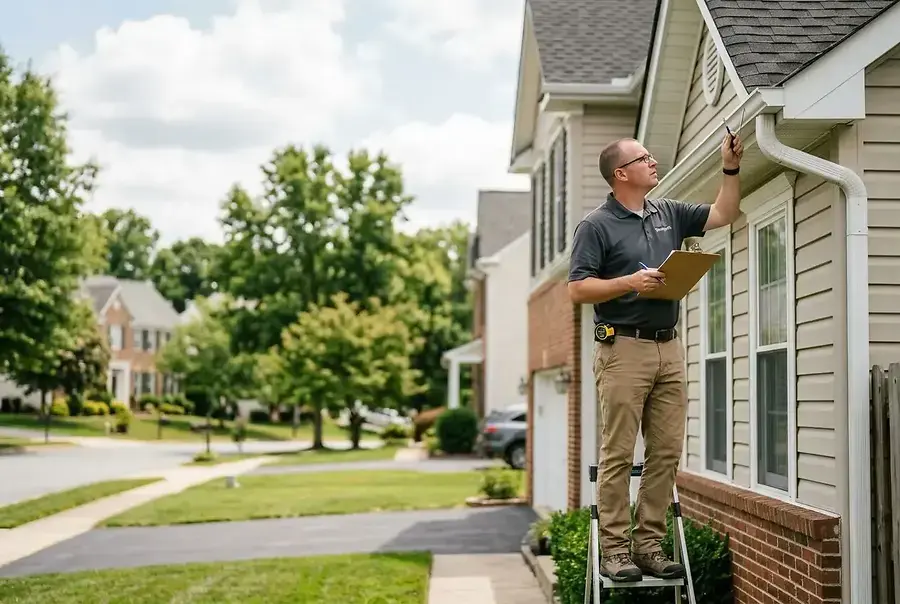
Why Home Inspections Matter in Gambrills
Purchasing a home is one of the most significant investments you'll make in your lifetime. In Gambrills, Maryland, where the real estate market is competitive and properties vary widely in age and condition, a thorough home inspection is not just recommended—it's essential. A professional home inspection provides you with an independent, objective assessment of your potential property's condition, helping you avoid costly surprises after closing.
Home inspections serve as your protection against hidden defects that could cost thousands of dollars to repair. Whether you're buying a historic home in downtown Gambrills or a newer construction in a residential development, inspectors identify issues that may not be visible to the untrained eye. This knowledge empowers you to negotiate repairs, request credits, or make an informed decision about whether to proceed with the purchase.
Key Areas Inspectors Evaluate and Common Issues in Gambrills Properties
Structural Components and Foundation
Inspectors begin by examining the home's foundation, which is critical in the Gambrills area where soil composition and moisture levels can affect structural integrity. They look for cracks, settling, water intrusion, and signs of foundation movement. Common issues in older Gambrills homes include basement moisture, efflorescence (white mineral deposits), and inadequate drainage systems. These problems are particularly prevalent in properties built before modern waterproofing standards were established.
Roofing and Exterior
The roof is your home's first line of defense against the elements. Inspectors evaluate roofing materials, age, condition, and proper installation. In Gambrills, where weather patterns include heavy rain and occasional snow, roof condition is paramount. Watch for missing or damaged shingles, improper flashing, and inadequate ventilation—all common issues that can lead to water damage and costly repairs.
The exterior also includes siding, windows, doors, and gutters. Inspectors check for:
- Wood rot and pest damage
- Caulking and sealant deterioration
- Gutter functionality and proper drainage
- Window and door operation and weatherproofing
Plumbing Systems
Plumbing issues can be expensive and disruptive. Inspectors test water pressure, check for leaks, and evaluate the condition of pipes. In Gambrills homes, galvanized pipes (common in older properties) may be corroded, reducing water pressure and quality. Inspectors also assess the water heater's age and condition, septic systems (if applicable), and proper grading to ensure water flows away from the foundation.
Electrical Systems
A safe electrical system is non-negotiable. Inspectors examine the panel, wiring, outlets, and switches for code compliance and safety hazards. Outdated electrical systems, insufficient grounding, and overloaded circuits are red flags that require immediate attention from a licensed electrician. Many older Gambrills homes may have outdated systems that don't meet current electrical codes.
HVAC and Ventilation
Heating, ventilation, and air conditioning systems are evaluated for age, condition, and proper operation. Inspectors check furnaces, air conditioners, ductwork, and ventilation. Given Gambrills' climate, both heating and cooling systems must be reliable and efficient. Aging systems may require replacement soon after purchase, which is an important consideration in your budget.
Interior Conditions
Inspectors examine walls, ceilings, floors, and insulation for damage, moisture, and proper installation. They look for signs of water damage, mold, pest infestation, and structural issues. Attic and basement inspections are particularly important, as these areas often reveal problems not visible in living spaces.
How to Prepare for Your Inspection and Interpret the Report
Before the Inspection
Schedule your inspection within the timeframe specified in your purchase agreement—typically 7-10 days after making an offer. Attend the inspection in person if possible. This allows you to ask questions, understand issues firsthand, and learn about the home's systems and maintenance needs.
Request that the inspector provide a detailed written report. This document should include:
- Photographs of issues and problem areas
- Clear descriptions of findings
- Severity ratings (minor, moderate, major)
- Estimated repair costs when possible
- Recommendations for further evaluation by specialists
Understanding the Report
Home inspection reports can be lengthy and technical. Focus on items marked as "major" or "safety concerns." These require immediate attention and should factor into your negotiation strategy. Minor cosmetic issues are typically not worth renegotiating, but structural, electrical, plumbing, and HVAC problems warrant serious consideration.
Don't hesitate to hire specialists for further evaluation. If the inspector identifies potential mold, structural issues, or other concerns, getting a second opinion from a specialist is wise and often worth the investment.
Using Inspection Results in Negotiations
Armed with your inspection report, you have several options:
- Request repairs: Ask the seller to fix major issues before closing
- Request credits: Negotiate a reduction in the purchase price to cover repairs you'll handle
- Renegotiate terms: Adjust closing costs or other terms based on findings
- Walk away: If issues are too severe or costly, you may choose to terminate the contract
Making Informed Decisions for Your Gambrills Purchase
A home inspection is an investment in peace of mind and financial protection. In Gambrills' competitive real estate market, thorough due diligence sets informed buyers apart. By understanding what inspectors evaluate, knowing what red flags to watch for, and properly interpreting the inspection report, you're equipped to make confident decisions about your purchase.
Remember that no home is perfect. The goal isn't to find a flawless property but to understand the condition of the home you're buying and plan accordingly. Whether you're purchasing a charming historic home or a modern new construction, a professional home inspection ensures you're making an informed investment in your Gambrills future.
Take the time to understand your home's condition before closing. It's the best investment you can make in your real estate transaction.