Gated Communities vs Open Neighborhoods: Northeast Florida Comparison
Discover which residential setting—gated communities or open neighborhoods—offers the best value, security, and lifestyle for your family in Northeast Florida.

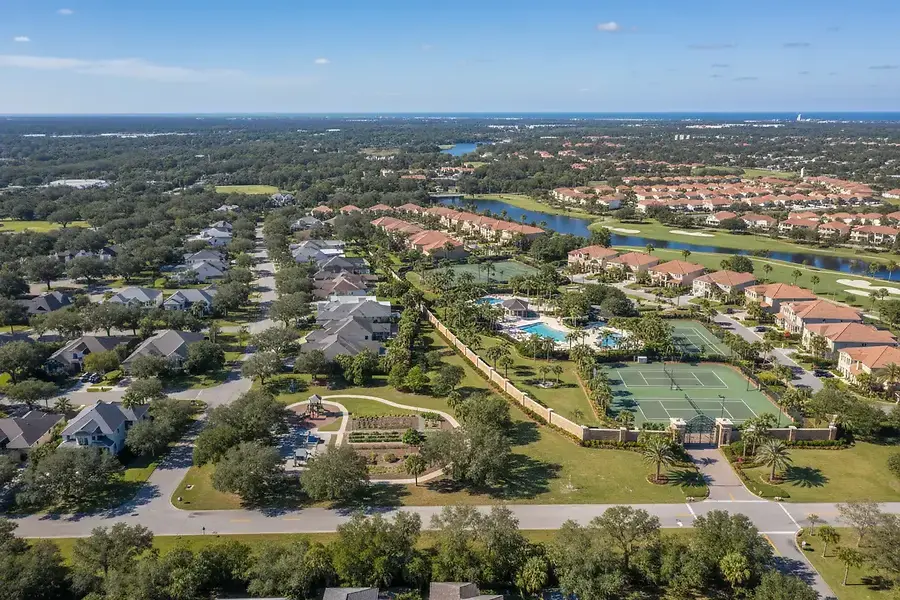
Understanding Your Residential Options in Northeast Florida
Choosing where to live is one of the most significant decisions you'll make for your family. In Northeast Florida, homebuyers face a compelling choice between gated communities and open neighborhoods, each offering distinct advantages and considerations. Whether you're relocating to the Jacksonville area, exploring the beaches of Ponte Vedra, or considering the growing suburbs, understanding the differences between these residential settings is essential for making an informed decision that aligns with your lifestyle, budget, and long-term investment goals.
The Northeast Florida real estate market has experienced substantial growth, with both gated and open communities expanding to meet diverse buyer preferences. This article explores the key factors that distinguish these two residential options, helping you determine which environment best suits your family's needs.
Gated Communities: Security, Amenities, and Community Culture
Enhanced Security and Peace of Mind
Gated communities in Northeast Florida provide controlled access through security gates, professional security personnel, and surveillance systems. This controlled environment offers homeowners a heightened sense of security and peace of mind, particularly appealing to families with young children or retirees seeking a safer living environment.
- Controlled Access: Only residents and authorized visitors can enter the community
- 24/7 Monitoring: Many gated communities employ security staff and surveillance systems
- Reduced Crime Rates: The visible security measures often deter criminal activity
- Gated Entry Points: Limited access routes make the community easier to monitor
Premium Amenities and Lifestyle Benefits
Gated communities typically feature extensive amenities that enhance residents' quality of life. From resort-style pools and fitness centers to golf courses and clubhouses, these communities create a comprehensive lifestyle experience.
Common amenities include:
- Swimming pools and water features
- Fitness centers and wellness facilities
- Golf courses and recreational areas
- Community clubhouses and event spaces
- Tennis courts and sports facilities
- Walking trails and parks
Strong Community Culture and Social Connections
Gated communities foster a tight-knit community atmosphere through organized events, clubs, and social activities. This structured environment encourages neighbors to interact and build meaningful relationships, creating a sense of belonging and community pride.
Considerations and Potential Drawbacks
While gated communities offer numerous benefits, they come with considerations worth evaluating. Higher HOA fees are common, often ranging significantly higher than open neighborhoods due to maintenance of amenities and security services. Additionally, less flexibility in home modifications and stricter architectural guidelines may limit your ability to customize your property. Limited diversity in housing types and resident demographics can sometimes result in a more homogeneous community.
Open Neighborhoods: Flexibility, Diversity, and Accessibility
Greater Freedom and Flexibility
Open neighborhoods provide homeowners with greater autonomy in property modifications and lifestyle choices. Without the restrictive covenants common in gated communities, residents enjoy more freedom to personalize their homes and make decisions about their properties.
- Fewer architectural restrictions
- Greater flexibility in landscaping and exterior modifications
- More independence in lifestyle choices
- Ability to run home-based businesses with fewer limitations
Diverse Housing Options and Community Character
Open neighborhoods in Northeast Florida showcase diverse architectural styles, housing types, and price points. This diversity creates vibrant, eclectic communities where residents from various backgrounds and economic circumstances live together, fostering cultural richness and varied perspectives.
Lower Costs and Better Value
Open neighborhoods typically feature lower HOA fees or no mandatory HOA fees at all, resulting in reduced monthly expenses. Property values in open neighborhoods may also be more affordable, making homeownership more accessible to first-time buyers and those with budget constraints. This cost advantage can be significant over the life of your mortgage.
Better Accessibility and Convenience
Open neighborhoods often provide easier access to public roads, commercial areas, and community services. Without gate restrictions, residents enjoy convenient access to shopping, dining, schools, and entertainment venues. This accessibility can be particularly valuable for families with busy schedules.
Potential Challenges
Open neighborhoods may present different challenges compared to gated communities. Perceived security concerns may exist due to unrestricted access, though crime rates vary by specific neighborhood. Less organized community activities mean residents must take initiative to build community connections. Variable neighborhood maintenance depends on individual homeowner responsibility rather than community-wide standards.
Making Your Choice: Which Setting Aligns with Your Lifestyle and Investment Goals
Evaluate Your Priorities
Your decision between gated and open communities should reflect your personal priorities. Consider these key questions:
- How important is security to your family's peace of mind?
- Do you value community amenities and organized social activities?
- How much flexibility do you need in property modifications?
- What is your budget for monthly HOA fees?
- Do you prefer a diverse or more homogeneous community?
- How important is convenient access to surrounding areas?
Consider Your Life Stage and Timeline
Your current life stage significantly influences which setting suits you best. Young families may prioritize amenities and community activities, while empty nesters might value flexibility and lower costs. Consider your long-term plans—are you building equity for retirement, or seeking a temporary residence?
Financial Analysis
Conduct a thorough financial comparison. Calculate total costs including property price, HOA fees, property taxes, insurance, and maintenance expenses. Gated communities may have higher upfront costs and ongoing fees, while open neighborhoods typically offer lower monthly expenses. Evaluate which financial structure aligns with your budget and investment strategy.
Visit and Experience Both Options
The best way to determine which setting suits you is to spend time in both types of communities. Visit during different times of day and week. Talk to current residents about their experiences. Walk through neighborhoods, observe the community atmosphere, and envision yourself living there. This firsthand experience often reveals insights that statistics cannot provide.
Northeast Florida's Diverse Options
Northeast Florida offers exceptional examples of both gated communities and open neighborhoods. From the upscale gated communities of Ponte Vedra to the diverse, accessible neighborhoods of Jacksonville's historic districts, the region provides options for every lifestyle and budget. Research specific communities that interest you, review recent market data, and consult with local real estate professionals who understand the nuances of the Northeast Florida market.
Your ideal home awaits—whether behind a gate or on an open street. By carefully evaluating your priorities, financial situation, and lifestyle preferences, you'll make a choice that brings satisfaction and value for years to come.


