Georgetown DE Property Taxes: What Residential & Commercial Owners Need to Know
A practical guide to understanding property tax assessments, exemptions, and payment strategies for Georgetown homeowners and business property investors.

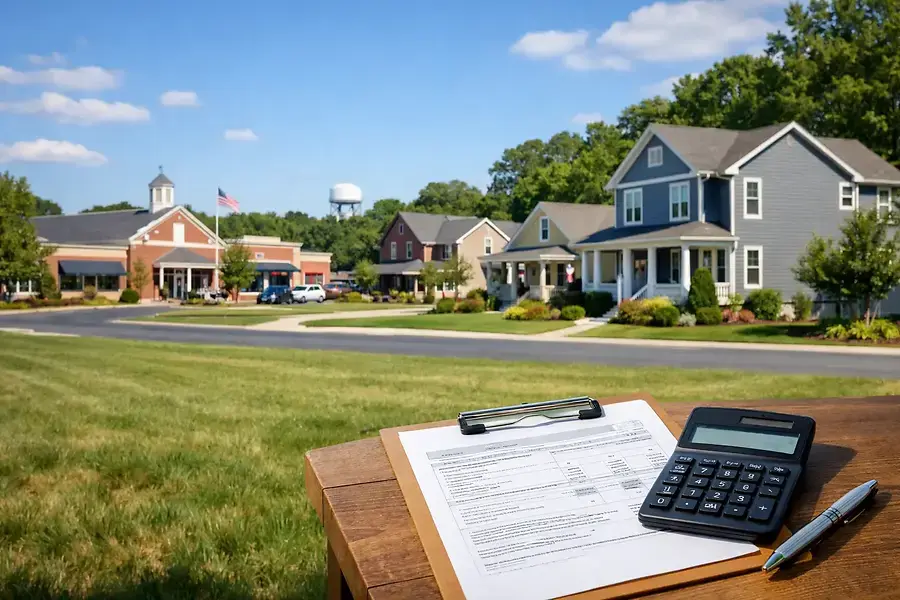
Why Property Taxes Matter in Georgetown, DE
Property taxes are one of the largest expenses for homeowners and commercial property investors in Georgetown, Delaware. Understanding how these taxes are calculated, what exemptions you may qualify for, and how to strategically manage your tax burden can save you thousands of dollars over time. Whether you own a residential home or operate a commercial business, having a solid grasp of Georgetown's property tax system is essential for making informed financial decisions.
Property taxes fund critical community services including schools, infrastructure, emergency services, and local government operations. In Georgetown, the tax rate varies based on property classification and location within the municipality. By learning the ins and outs of the system, you can ensure you're paying a fair amount while taking advantage of all available deductions and exemptions.
How Georgetown Property Tax Assessments Work for Residential Properties
Understanding the Assessment Process
The Georgetown property tax assessment begins with the Sussex County Assessor's Office, which determines the fair market value of your residential property. Assessors evaluate your home based on several factors including:
- Property size and square footage of the dwelling
- Age and condition of the structure
- Location and neighborhood characteristics
- Recent comparable sales in the area
- Improvements and upgrades made to the property
- Lot size and land value
Once the assessed value is determined, it's multiplied by the current tax rate to calculate your annual property tax bill. In Georgetown, residential properties are typically taxed at a lower rate than commercial properties, reflecting the community's commitment to supporting homeownership.
Residential Property Tax Exemptions
Georgetown offers several exemptions that can significantly reduce your property tax burden:
- Homestead Exemption: Provides a deduction on the assessed value of your primary residence
- Senior Citizen Exemption: Available for homeowners aged 65 and older with qualifying income levels
- Disabled Veteran Exemption: Offers tax relief for veterans with service-connected disabilities
- Agricultural Exemption: Applies to properties used for farming or agricultural purposes
To claim these exemptions, you'll need to file an application with the Sussex County Assessor's Office and provide supporting documentation. It's crucial to apply before the deadline to ensure you receive the full benefit in the current tax year.
Commercial Property Tax Considerations and Business Deductions
Assessing Commercial Properties
Commercial properties in Georgetown are assessed differently than residential properties. The assessment process considers the property's income-generating potential, which means the valuation method may include:
- Income approach: Based on the property's ability to generate rental income
- Market approach: Comparison with similar commercial properties recently sold
- Cost approach: Replacement cost of the building and improvements
Commercial properties typically face higher tax rates than residential properties. However, business owners have access to various deductions and strategies that can help offset these costs.
Business Deductions and Tax Strategies
Commercial property owners can take advantage of several deductions to reduce their tax liability:
- Depreciation deductions: Claim depreciation on building improvements and equipment
- Operating expense deductions: Deduct maintenance, repairs, and property management costs
- Mortgage interest deduction: Deduct interest paid on commercial property loans
- Property improvement deductions: Write off capital improvements that enhance property value
- Business exemptions: Certain business types may qualify for specific tax exemptions
Working with a qualified tax professional or accountant is highly recommended to ensure you're maximizing all available deductions and maintaining proper documentation for audit purposes.
Strategies to Reduce Your Tax Burden
Challenge Your Assessment
If you believe your property has been overvalued, you have the right to challenge the assessment. The process typically involves:
- Requesting a reassessment review from the Sussex County Assessor's Office
- Providing evidence of comparable properties with lower valuations
- Documenting any property defects or needed repairs that reduce value
- Filing a formal appeal if the initial review doesn't result in a reduction
Explore Tax Payment Options
Georgetown offers flexible payment options that can help manage your cash flow:
- Annual payment: Pay the full amount by the deadline for potential discounts
- Quarterly installments: Spread payments throughout the year
- Automatic payments: Set up automatic transfers to ensure timely payment and avoid penalties
Stay Informed About Changes
Property tax rates and regulations can change annually. Subscribe to updates from the Sussex County Assessor's Office and stay informed about any changes that might affect your tax bill. Attending town meetings and staying connected with local government can help you understand upcoming changes before they impact your finances.
Consider Professional Guidance
Working with a property tax consultant or real estate professional who specializes in Georgetown properties can provide valuable insights and strategies tailored to your specific situation.
These professionals can help you navigate complex tax situations, identify overlooked deductions, and develop long-term strategies to minimize your tax burden.
Conclusion
Property taxes are a significant financial responsibility for Georgetown homeowners and commercial property investors, but understanding the system empowers you to make smarter decisions. By familiarizing yourself with assessment procedures, claiming all available exemptions, and implementing strategic tax reduction techniques, you can optimize your financial position.
Whether you're a first-time homebuyer, a seasoned property investor, or a business owner, taking the time to understand Georgetown's property tax system is an investment in your financial future. Don't hesitate to reach out to local tax professionals, the Sussex County Assessor's Office, or community resources for guidance specific to your situation. The effort you invest today in understanding these concepts can result in substantial savings for years to come.


