Getting Your Home Ready to Sell: A Complete Preparation Guide
Master the essential steps to get your residential property market-ready and attract qualified buyers.

Why Proper Home Preparation Matters for Sellers
Selling your home is one of the most significant financial decisions you'll make. The difference between a property that sits on the market for months and one that sells quickly often comes down to preparation. A well-prepared home not only attracts more qualified buyers but also commands a higher selling price. When potential buyers walk through your door, they're envisioning themselves living in the space—your job is to make that vision as clear and appealing as possible.
Proper preparation demonstrates that you've cared for your property, which builds buyer confidence and reduces negotiation friction. Homes that are move-in ready typically sell faster and for better prices than those requiring significant work. This guide walks you through the essential steps to transform your home into an irresistible listing.
Essential Pre-Sale Inspections, Repairs, and Maintenance Checklist
Getting a Professional Home Inspection
Before listing your home, hire a professional home inspector to identify any issues that buyers will inevitably discover. This proactive approach allows you to address problems on your terms rather than during negotiations. The inspection report provides a roadmap for repairs and gives you leverage to fix issues before they become deal-breakers.
Critical Repairs and Maintenance
Focus on these high-priority items:
- Roof and gutters: Check for leaks, missing shingles, and proper drainage
- HVAC systems: Service your heating and cooling systems to ensure they're functioning optimally
- Plumbing: Fix leaky faucets, running toilets, and any water damage
- Electrical: Ensure all outlets work, update outdated panels, and fix flickering lights
- Foundation: Address any cracks or signs of settling
- Windows and doors: Replace broken seals, repair damaged frames, and ensure smooth operation
Cosmetic Updates That Make a Difference
Beyond major repairs, strategic cosmetic improvements significantly boost appeal:
- Fresh paint in neutral colors throughout the home
- Updated lighting fixtures and hardware
- Refinished or replaced flooring where needed
- New caulking and weatherstripping
- Professional cleaning of carpets and hard floors
Remember: You don't need to renovate your entire home. Focus on visible, high-impact improvements that address common buyer concerns.
Curb Appeal and Interior Presentation Strategies That Attract Buyers
Creating an Unforgettable First Impression
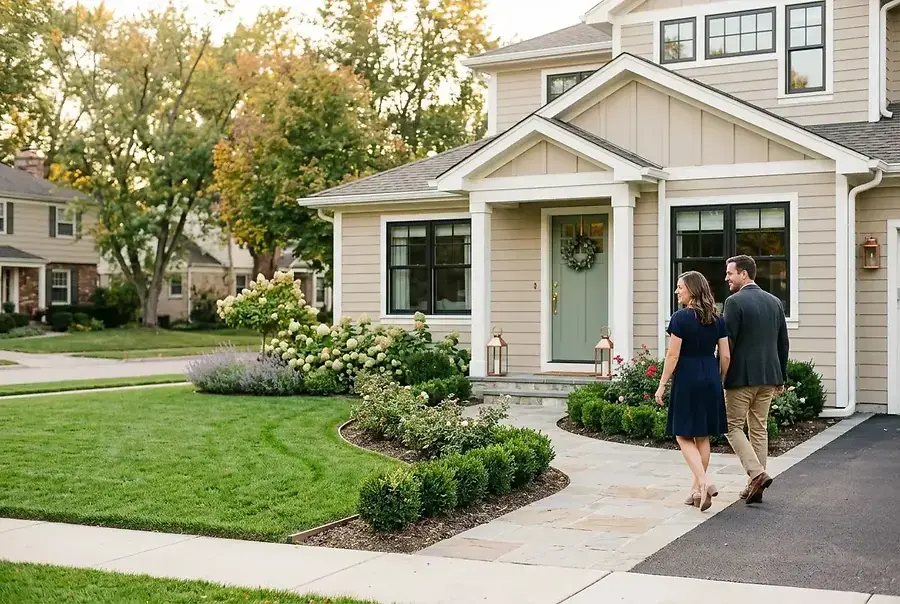
Curb appeal is your home's handshake with potential buyers. The exterior is the first thing they see, and it sets the tone for their entire visit. Invest in these curb appeal essentials:
- Landscaping: Trim bushes, mow the lawn, and add fresh mulch to garden beds
- Front entrance: Paint the front door, update house numbers, and add welcoming planters
- Driveway and walkway: Pressure wash concrete and repair any cracks
- Exterior paint: Touch up or repaint the home's exterior if needed
- Lighting: Install attractive outdoor lighting to highlight architectural features
Interior Staging and Presentation
Once buyers step inside, your interior presentation takes over. Strategic staging helps buyers envision themselves in your home. Consider these approaches:
Decluttering and Depersonalizing
Remove personal items, family photos, and excess furniture. A spacious, neutral environment allows buyers to imagine their own belongings in the space. Pack away collections, religious items, and anything that might distract from the home's features.
Neutral Color Palette
Paint walls in soft, neutral tones like beige, gray, or soft white. These colors appeal to the broadest audience and make spaces feel larger and brighter. Avoid bold colors that might turn away potential buyers.
Furniture Arrangement
Arrange furniture to highlight room flow and functionality. Show how each space can be used—a spare bedroom might be staged as a home office or guest room. Keep pathways clear and rooms feeling open and inviting.
Lighting and Ambiance
Maximize natural light by opening curtains and cleaning windows thoroughly. Add warm lighting with lamps and fixtures to create an inviting atmosphere. Avoid harsh overhead lighting that can make spaces feel cold.
Room-by-Room Focus Areas
Kitchen and bathrooms are deal-makers or deal-breakers. Ensure these spaces are impeccably clean, with updated fixtures and no signs of water damage. The master bedroom should feel like a peaceful retreat—keep it simple and serene. Living areas should showcase the home's best features and flow naturally from one space to another.
Taking Action to Maximize Your Home's Sale Potential
Preparing your home for sale requires time, effort, and sometimes investment, but the returns are substantial. A well-prepared home sells faster, attracts more qualified buyers, and commands a higher price. Start by scheduling that professional inspection, then work through the repair and maintenance checklist systematically.
Don't underestimate the power of curb appeal and thoughtful staging. These elements cost relatively little compared to major renovations but deliver outsized impact. Remember that you're not decorating for yourself—you're creating an environment where buyers can envision their future.
Finally, consider working with a real estate agent who has experience in your market. They can provide specific guidance on which improvements will yield the best return and help you price your home competitively. With proper preparation, your home will stand out in the market and attract the serious buyers you deserve.