Green Bay Real Estate: Building Wealth in Residential and Commercial Markets
Discover proven strategies for maximizing returns on residential and commercial properties in Wisconsin's thriving market.

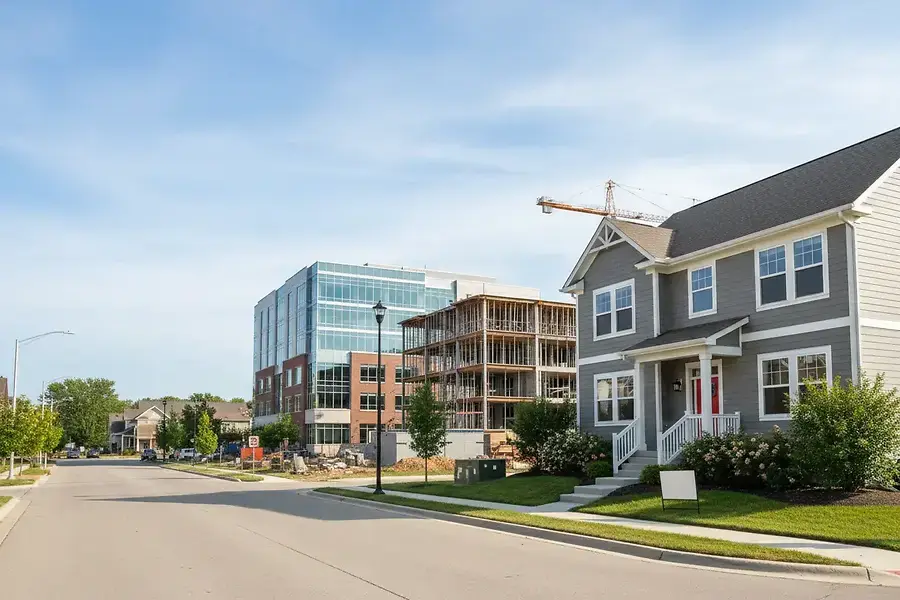
Understanding Green Bay's Real Estate Market Fundamentals
Green Bay's real estate market has emerged as one of Wisconsin's most dynamic and accessible investment opportunities. The city's strategic location, growing population, and diverse economic base create a compelling environment for both novice and experienced investors. Unlike larger metropolitan areas, Green Bay offers more affordable entry points while maintaining strong appreciation potential.
Market Dynamics and Growth Drivers
The Green Bay market benefits from several key factors that support sustained growth. The presence of major employers, including healthcare systems and manufacturing facilities, provides stable job creation and population retention. Additionally, the city's revitalization efforts in downtown areas and residential neighborhoods have attracted new residents and businesses, driving demand across multiple property segments.
Key market indicators include:
- Steady population growth supporting housing demand
- Competitive property prices compared to national averages
- Strong rental market fundamentals with consistent tenant demand
- Ongoing infrastructure improvements and community development
Residential Investment Strategies for Long-Term Growth
Residential properties form the foundation of most successful real estate portfolios. Green Bay's residential market offers multiple pathways to wealth building, from single-family homes to multi-unit properties.
Single-Family Home Investments
Single-family homes remain the most popular residential investment vehicle in Green Bay. These properties appeal to owner-occupants and investors alike, providing consistent demand and relatively straightforward management. Focus on neighborhoods with strong fundamentals: good schools, proximity to employment centers, and active community development initiatives.
The key to success with single-family homes is identifying undervalued properties with renovation potential or strong rental income prospects. Properties in transitional neighborhoods often provide the best risk-reward balance, offering appreciation potential as areas develop.
Multi-Unit Residential Properties
Duplexes, triplexes, and small apartment buildings offer superior cash flow compared to single-family homes. These properties benefit from economies of scale in management and maintenance while providing multiple income streams from a single location. Multi-unit properties are particularly attractive for investors seeking passive income and portfolio diversification.
Advantages of multi-unit residential investments:
- Higher monthly cash flow from multiple tenants
- Reduced vacancy impact across the property
- Easier financing through commercial lending programs
- Greater appreciation potential in developing neighborhoods
Rental Market Fundamentals
Green Bay's rental market demonstrates healthy fundamentals with consistent tenant demand. The city's growing workforce and student population from local universities create reliable demand for rental properties. Understanding local rent rates, tenant demographics, and seasonal fluctuations is essential for maximizing returns.
Pro Tip: Research neighborhood-specific rental rates and tenant profiles before investing. Properties near employment centers and educational institutions typically command premium rents and attract quality tenants.
Commercial Property Opportunities and Tenant Demand
Commercial real estate in Green Bay presents sophisticated investors with higher-yield opportunities. The city's growing business community and retail sector create diverse commercial investment options.
Retail and Mixed-Use Properties
Retail properties in high-traffic areas continue to attract quality tenants and generate strong returns. Mixed-use developments combining retail, office, and residential components are particularly popular in downtown revitalization areas. These properties benefit from multiple revenue streams and typically command premium valuations.
Office Space and Professional Services
The demand for office space remains steady, driven by healthcare providers, professional services firms, and corporate headquarters. Properties near medical centers and business districts offer the most stable tenant bases and lowest vacancy rates. Long-term leases with established tenants provide predictable income and reduced management burden.
Industrial and Warehouse Properties
Green Bay's strategic location and transportation infrastructure make industrial properties increasingly valuable. E-commerce growth and logistics demands have strengthened the industrial sector, creating opportunities for investors seeking long-term, triple-net lease arrangements with minimal management requirements.
Commercial investment considerations:
- Longer lease terms provide income stability
- Triple-net leases shift operating costs to tenants
- Institutional-quality properties attract conservative investors
- Tenant creditworthiness is critical to success
Getting Started: Your Action Plan for Property Investment Success
Beginning your real estate investment journey requires careful planning and strategic execution. Follow these proven steps to build a successful portfolio in Green Bay's market.
Step 1: Establish Your Investment Goals and Timeline
Define your investment objectives clearly. Are you seeking monthly cash flow, long-term appreciation, or a combination of both? Determine your investment timeline and risk tolerance. These factors will guide all subsequent investment decisions and help you evaluate opportunities objectively.
Step 2: Build Your Investment Team
Successful real estate investors surround themselves with qualified professionals. Assemble a team including:
- A knowledgeable real estate agent familiar with investment properties
- A qualified real estate attorney for contract review and legal matters
- A CPA experienced in real estate tax strategies
- A property manager for tenant and maintenance coordination
- A mortgage broker to secure favorable financing
Step 3: Conduct Thorough Market Research
Study Green Bay's neighborhoods, employment trends, and development plans. Analyze comparable sales, rental rates, and vacancy data. Understanding market fundamentals prevents costly mistakes and identifies the best opportunities for your investment strategy.
Step 4: Secure Appropriate Financing
Explore financing options including conventional mortgages, portfolio loans, and commercial lending programs. Compare interest rates, terms, and down payment requirements across multiple lenders. Strong financing can significantly enhance your returns and provide flexibility for portfolio growth.
Step 5: Execute Your First Investment
Start with a property aligned to your goals and risk tolerance. Whether residential or commercial, ensure the numbers work: positive cash flow, reasonable debt service coverage, and appreciation potential. Your first investment builds experience and confidence for future acquisitions.
Step 6: Optimize and Scale
After your initial investment performs well, leverage your experience and equity to acquire additional properties. Reinvest cash flow into new acquisitions, refinance appreciated properties to fund expansion, and continuously refine your investment strategy based on market conditions and personal goals.
Remember: Real estate wealth building is a marathon, not a sprint. Focus on acquiring quality properties in strong markets, maintaining them well, and holding them for the long term. Compound growth through multiple properties creates generational wealth.
Conclusion
Green Bay's real estate market offers exceptional opportunities for building substantial wealth through both residential and commercial investments. By understanding market fundamentals, implementing proven strategies, and executing a disciplined action plan, you can achieve your financial goals. The time to start is now—begin your journey toward real estate success in Green Bay today.